What Type of Camera is Right for You?

The first step is knowing which camera fits your style:

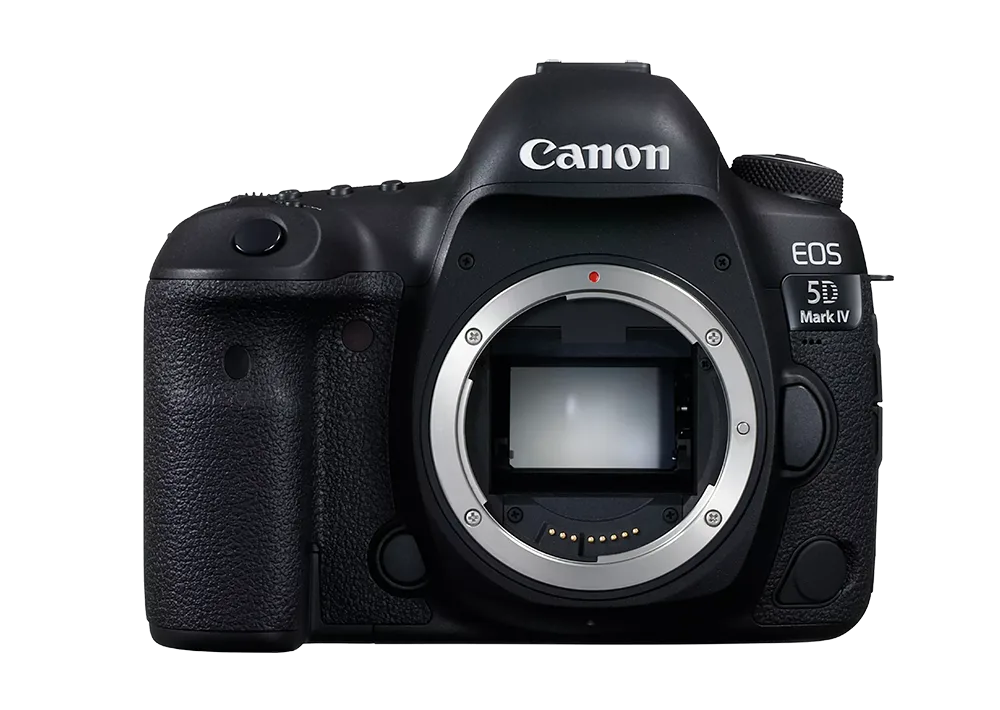
DSLRs Camera Image

DSLRs

The durable and versatile, digital successor to the 35mm film SLR cameras, great for photographers who want optical viewfinders and a wide variety of lenses. Although DSLR's are less expensive and have decades worth of lenses and accessories available, manufacturers appear to be slowly phasing them out for mirrorless systems.

Mirrorless Camera Image

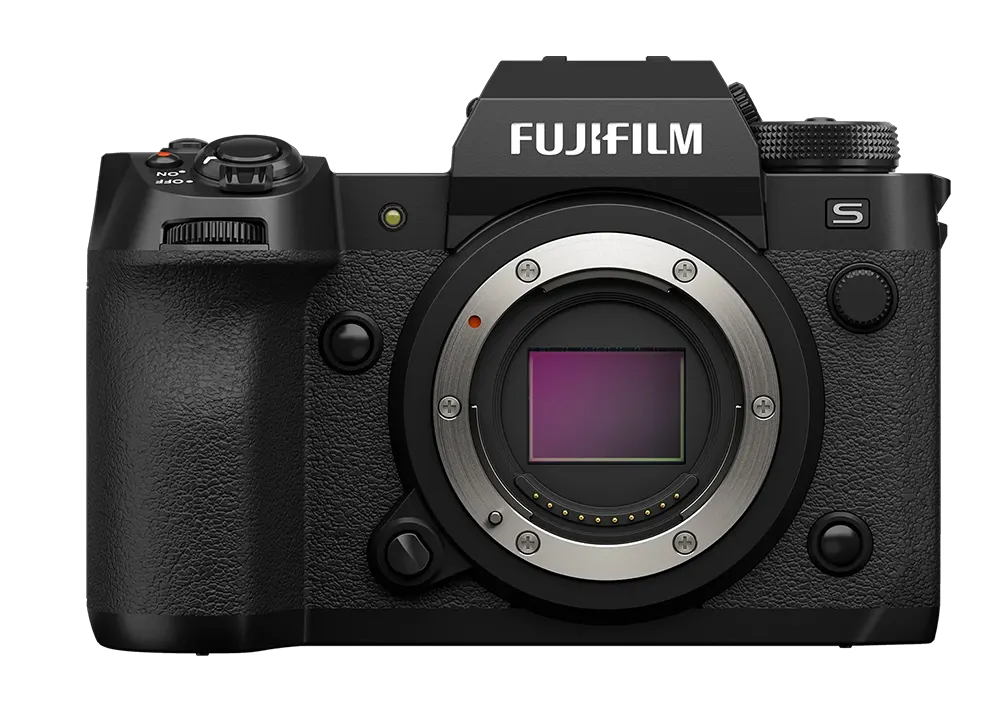
Mirrorless Cameras

Lightweight and compact with fast autofocus, ideal for both photo and video creators. Mirrorless cameras feature cutting-edge autofocus technology, electronic viewfinders and LCD screens, with an ever expanding range of lenses bringing wide creative versatility.

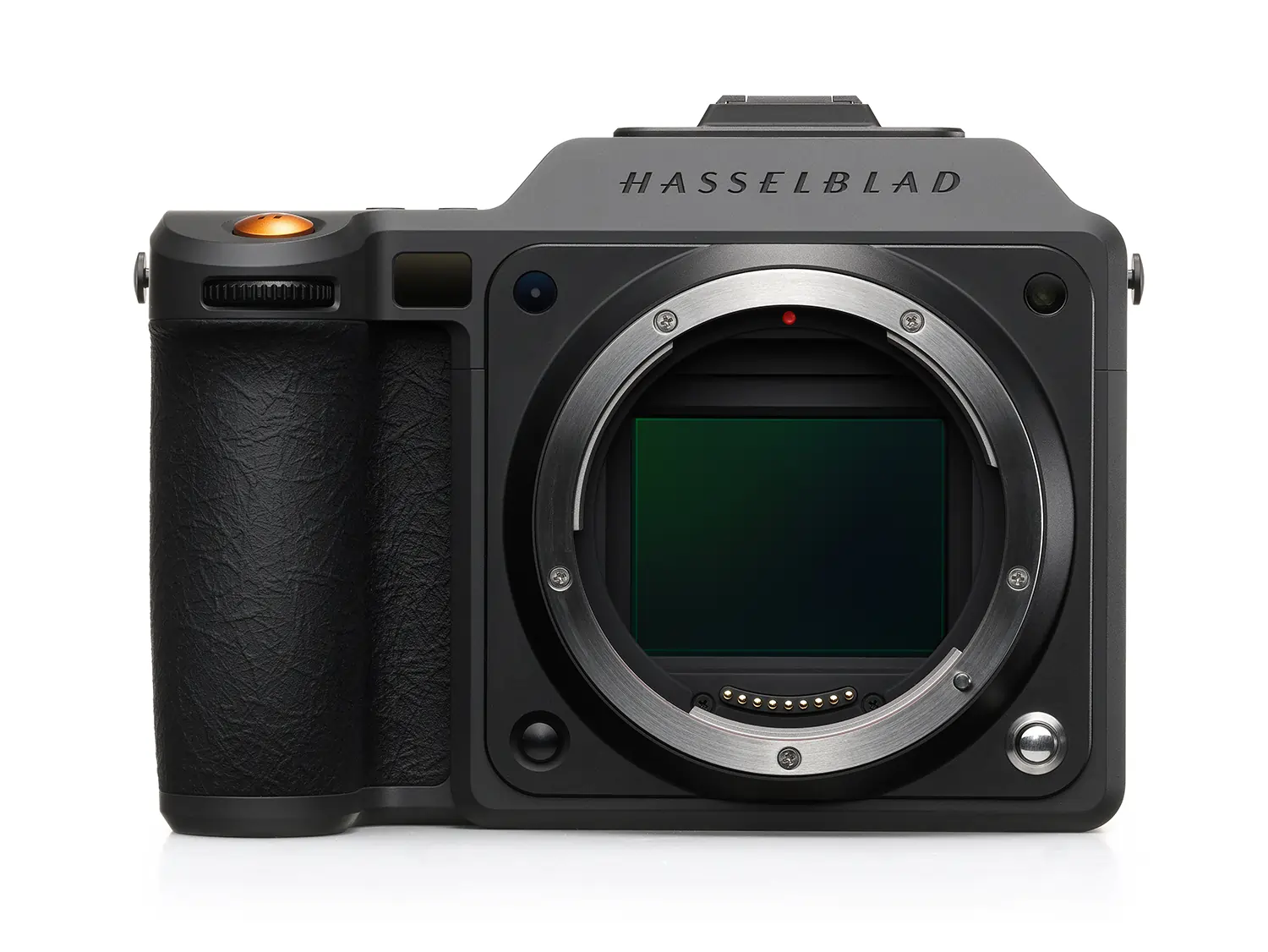
Medium Fotmat Cameras Image

Medium Format Cameras

Designed for professional photographers and creatives, Medium Format Cameras offer the pinnacle of imaging with premium colour reproduction, and superior dynamic range beyond standard full-frame cameras to provide the best imaging solutions for professional workflows.

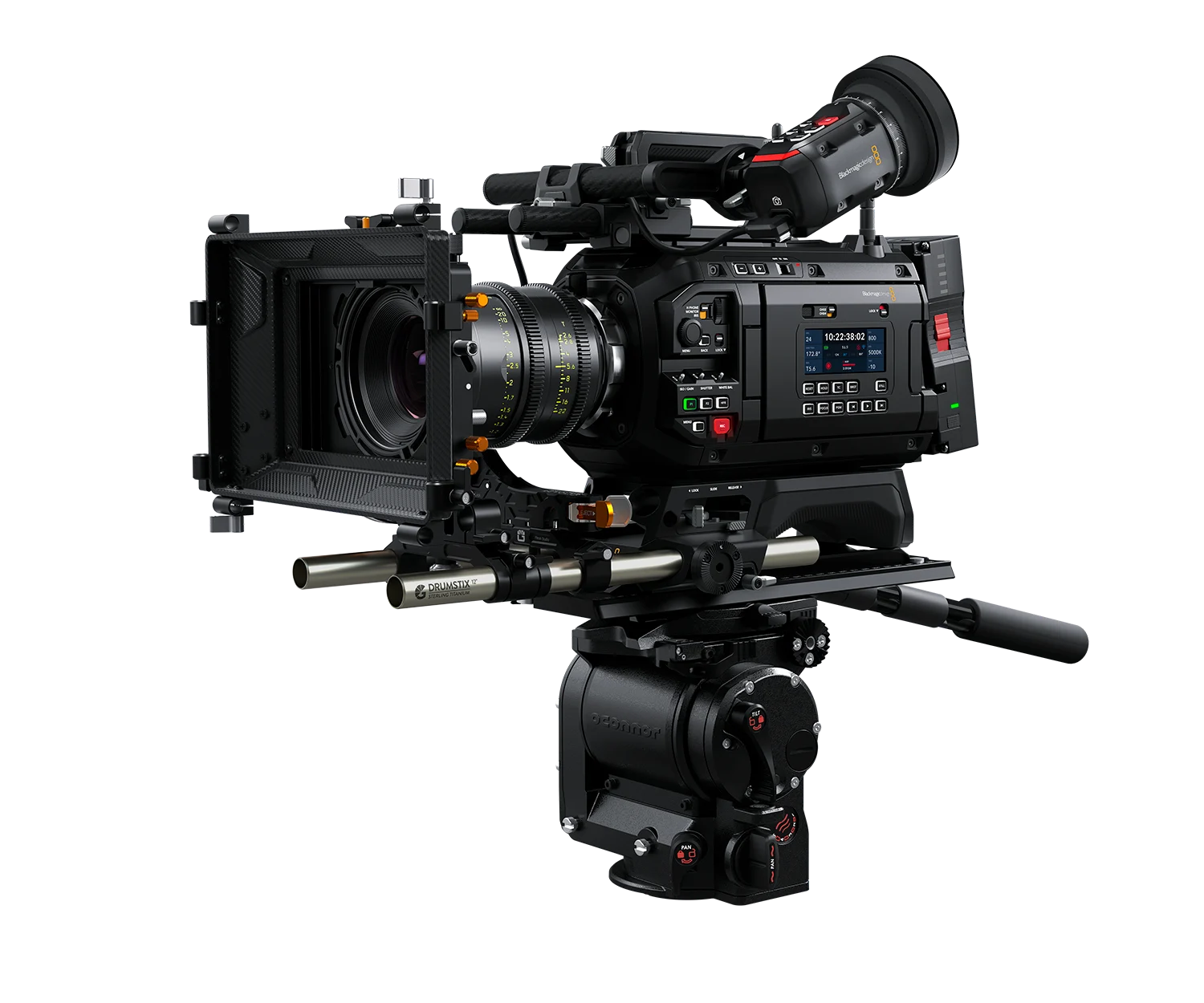
Cine Camera Image

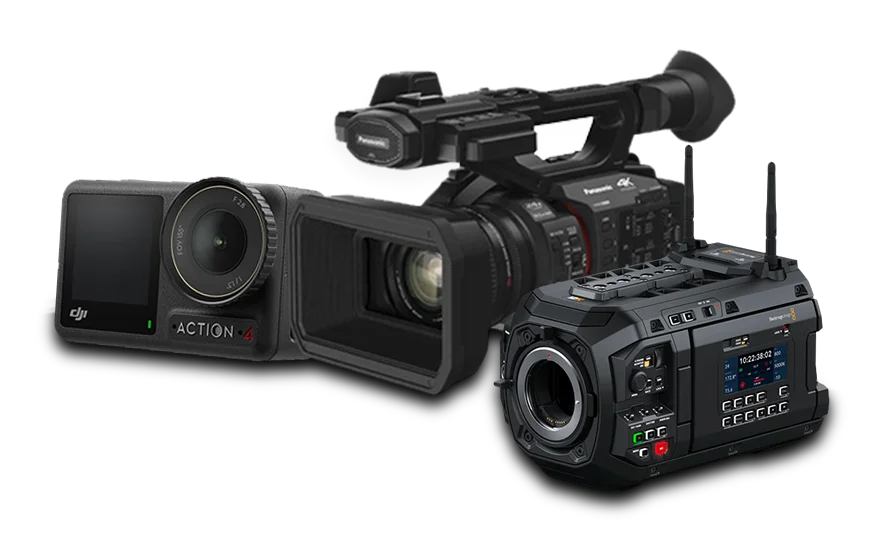
Cine Cameras

Built specifically for high-end filmmaking, cinema cameras offer superior dynamic range, extensive manual controls, professional codecs, and modular designs. They are ideal for serious video creators and productions that require the highest image quality and flexibility in post-production.

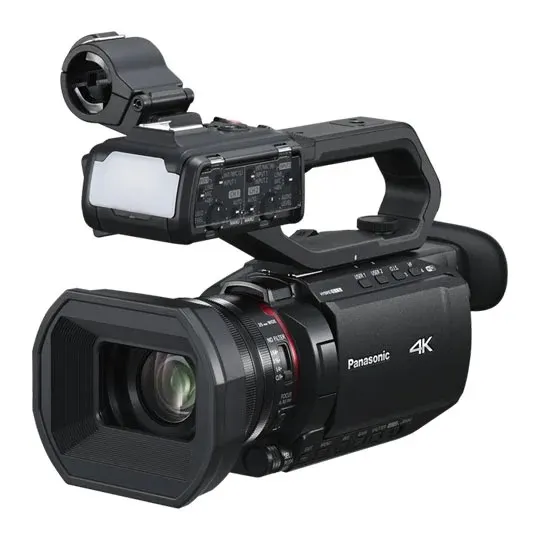
Cine Camera Image

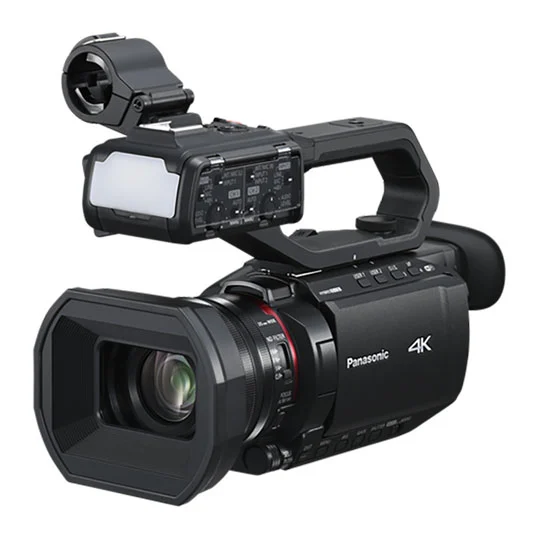
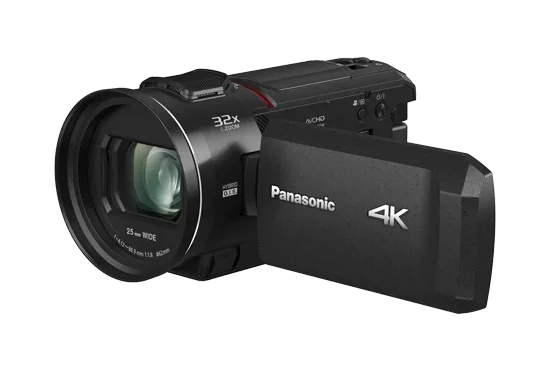
Camcorders/Video Cameras

Designed for extended video recording with features like professional audio inputs and image stabilization to offer videographers, journalists, and content creators looking for reliable, dedicated video capture without complex setups.

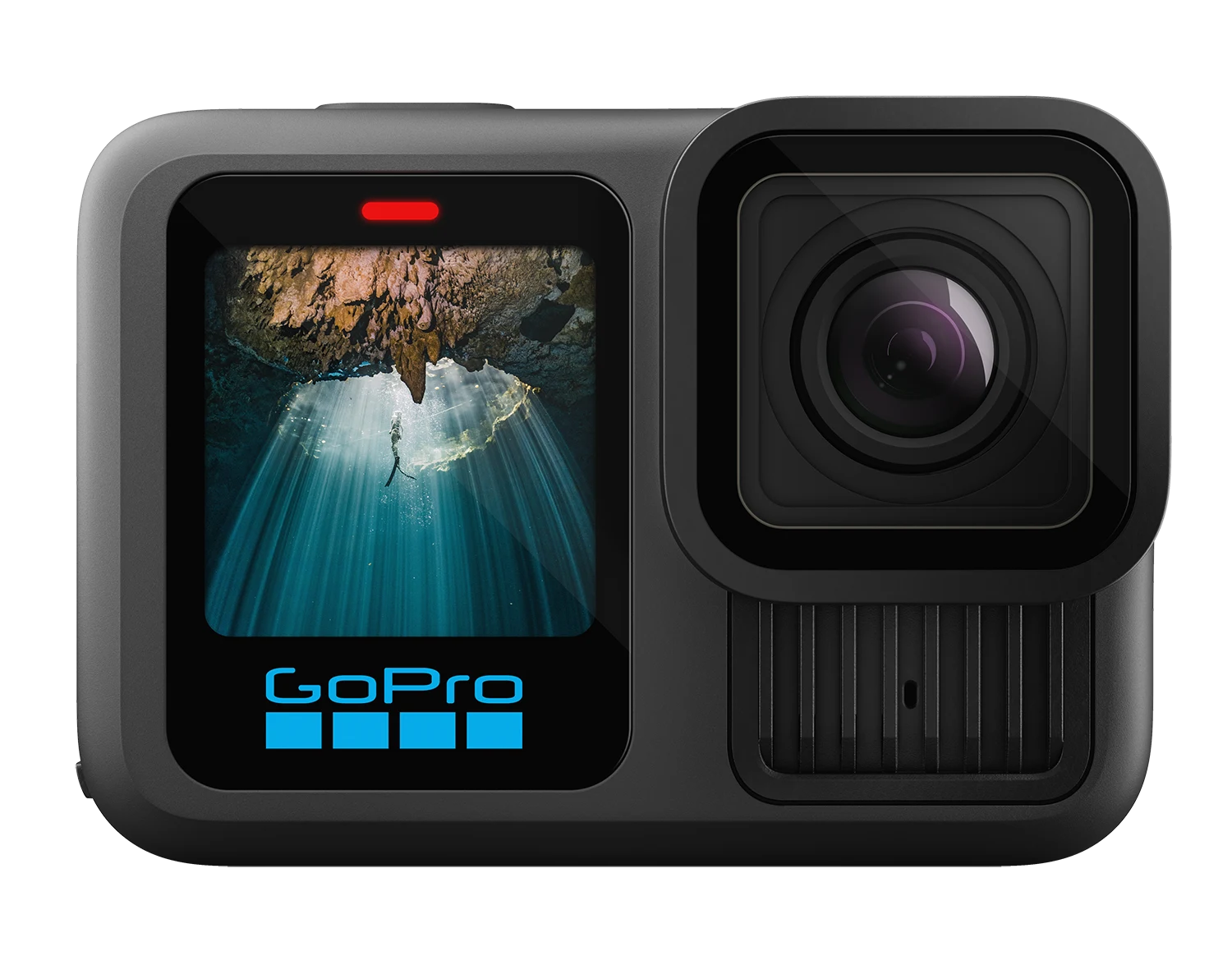
Action Camera Image

Action Cameras

Small, rugged, and often waterproof, action cameras are perfect for capturing fast-paced, outdoor, and adventure activities. They offer wide-angle lenses, excellent stabilization, and the ability to mount on helmets, bikes, and other gear for hands-free shooting.

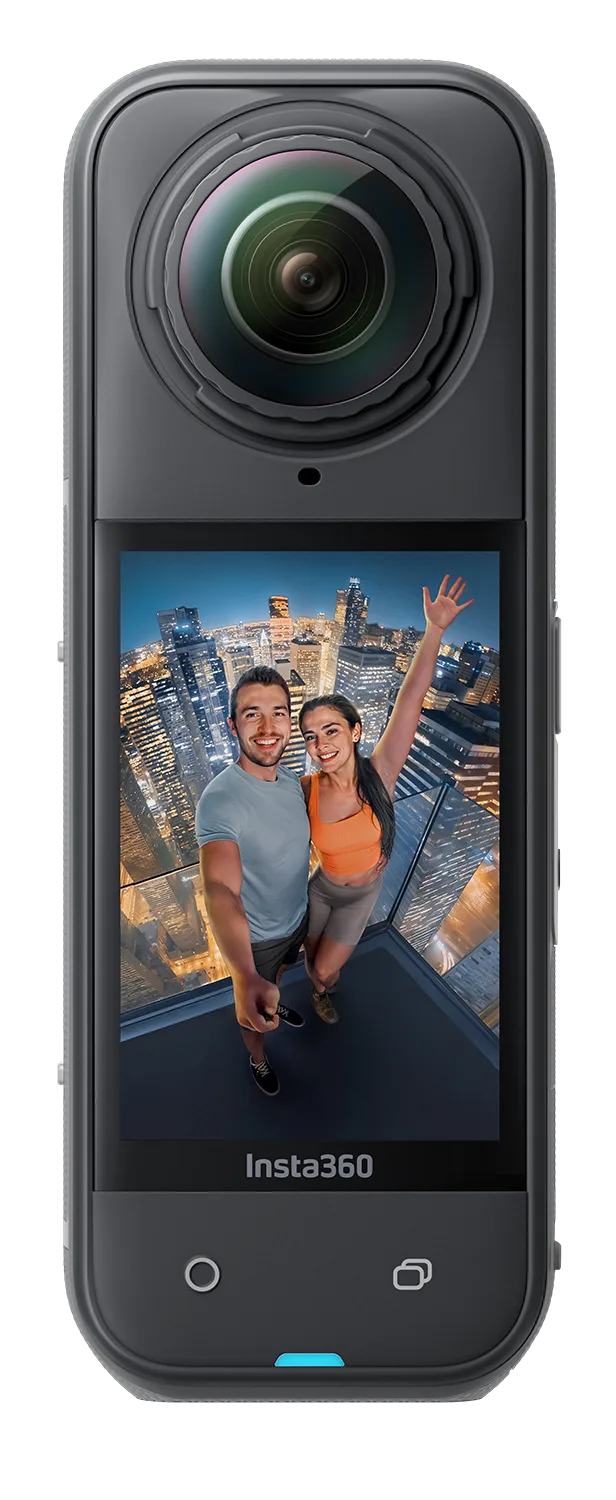
360 Camera Image

360° Cameras

These cameras capture immersive, spherical video and photos, offering a full 360-degree view. They are perfect for virtual reality content, immersive storytelling, and unique perspectives that can be viewed on VR headsets or interactive platforms. Advanced models provide high resolutions (up to 8K video), image stabilization, waterproof designs, and easy-to-use editing software for reframing shots.

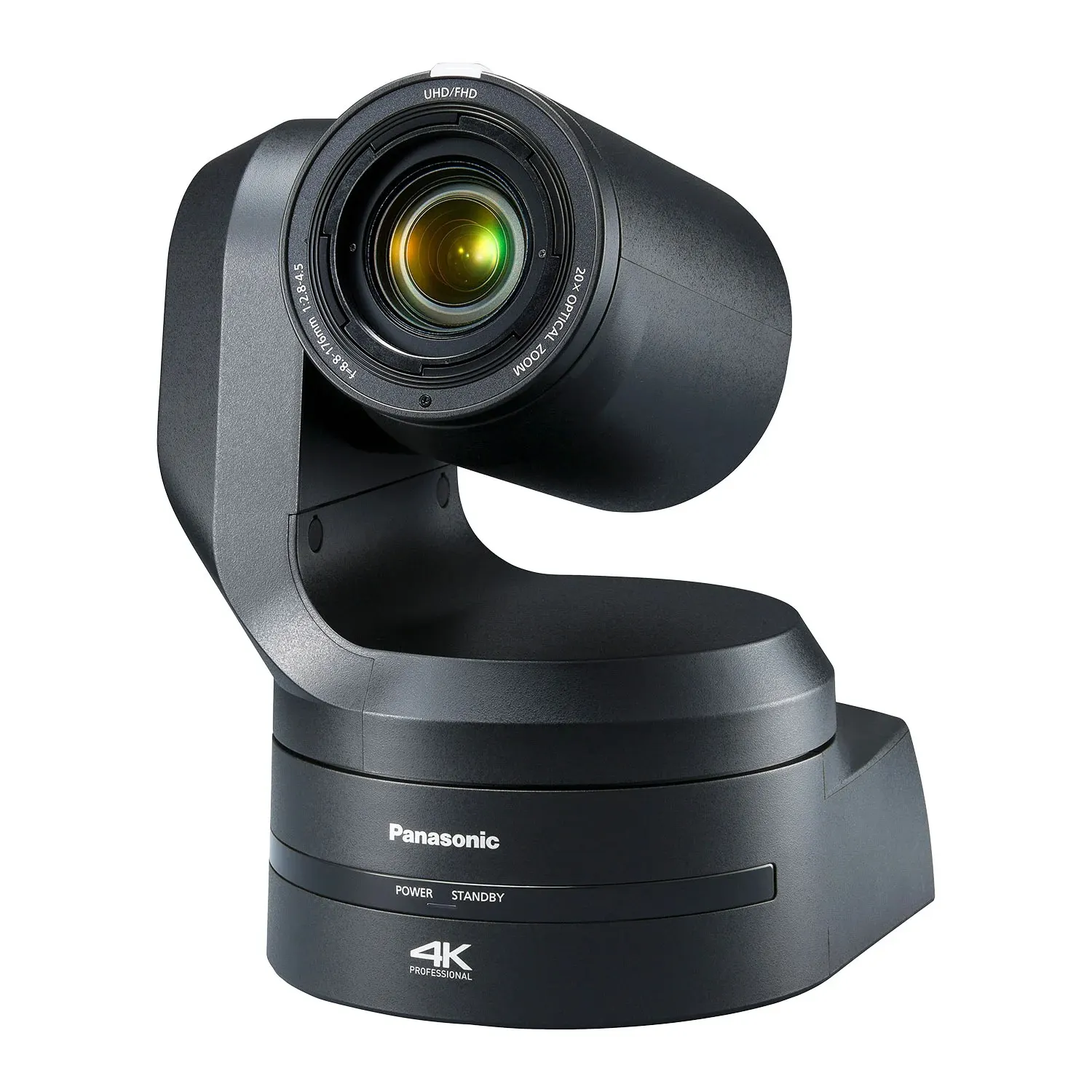
PTZ Cameras Image

PTZ Cameras

Remote-controlled pan-tilt-zoom cameras popular in broadcast studios, houses of worship, lecture halls, and esports arenas, PTZs enable dynamic coverage with minimal crew. They allow precise control over camera movement and framing through joysticks, software, or network interfaces.

Image Sensor and Resolution

The sensor size is crucial to image quality. Larger sensors (full-frame or APS-C) capture more light and detail, making them better for low-light and shallow depth-of-field effects. Resolution, measured in megapixels, determines image detail — 20-30MP is typical for most needs. For video, 4K resolution has become a standard for sharp, high-quality footage.

Sensor image
Type 1/3" 1/2" 2/3" Super 16 4/3" APS-C DX Super 35 APS-H 35mm FF 65mm
Sensor Size (W x H) mm 4.80 x 3.60 6.40 x 4.80 8.80 x 6.60 12.52 x 7.41 17.80 x 10 22.20 x 14.80 23.60 x 15.50 24.89 x 18.66 28.70 x 19.10 36 x 24 52.63 x 23.01
Sensor Diagonal 6 mm 8 mm 11 mm 14.55 mm 20.41 mm 26.70 mm 28.40 mm 31.10 mm 34.50 mm 43.30 mm 57.44 mm
Crop Factor 7.21 5.41 3.93 3 2 1.62 1.52 1.39 1.26 1 0.75

Lens and Zoom Options

Choose a camera with lenses that match your shooting preferences:

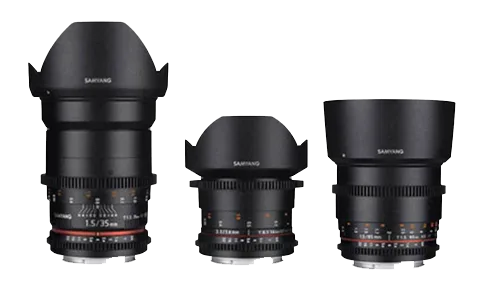
  • Interchangeable lens systems offer flexibility for different styles—wide-angle, telephoto, macro, zooms and primes for consumer and professional workflows
  • Built-in Optical zoom provides true magnification without quality loss; usually found in PTZ and IP Box cameras for fixed mounting workflows
  • If video is key, look for smooth zoom options and image stabilization technology to keep footage steady.

Want to learn more? Check out our Lens Buying Guide here

prime-lenses

Video Features to Consider

If you’ll be recording video, pay attention to:

  • Sensor Size and Quality: Full-frame sensors provide excellent low-light performance and shallow depth of field, while APS-C sensors balance quality and affordability.
  • Advanced Autofocus: Phase-detection autofocus with eye and face detection enables smooth, reliable subject tracking.
  • Image Stabilization: Built-in stabilization is essential for smooth handheld footage.
  • Resolution: Look for at least 4K video recording, with some pro cameras offering 8K.
  • Frame Rate: Multiple frame rate options including standard (24fps, 30fps) and high frame rates (60fps, 120fps+) for slow motion effects.
  • Low Light Performance: Features like dual native ISO and noise reduction algorithms aid shooting in dark environments.
  • Microphone and headphone ports for better audio capture and monitoring.
  • Connectivity options like SDI/HDMI out, Wi-Fi, and USB-C for easy file transfer and streaming.
  • Video Codecs: Support for professional codecs like ProRes, RAW, Blackmagic RAW, or H.264/H.265 impacts quality, file size, and post-production flexibility.
  • Recording Media: Compatibility with fast, reliable media such as CFast, SD UHS-II, or CFexpress cards ensures smooth high-bitrate capture and efficient workflow.
video image

Usability and Build Quality

Comfort and durability matter when shooting for long hours or in challenging environments:

  • Look for cameras with intuitive controls and touchscreen menus.
  • Flip-out or tilting screens make framing shots easier, especially for vloggers.
  • Weather sealing is essential if you shoot outdoors often.
  • Battery life varies widely, so check real-world usage times.

Want to learn more? Check out our Lens Buying Guide here

cam image

Storage and Accessories

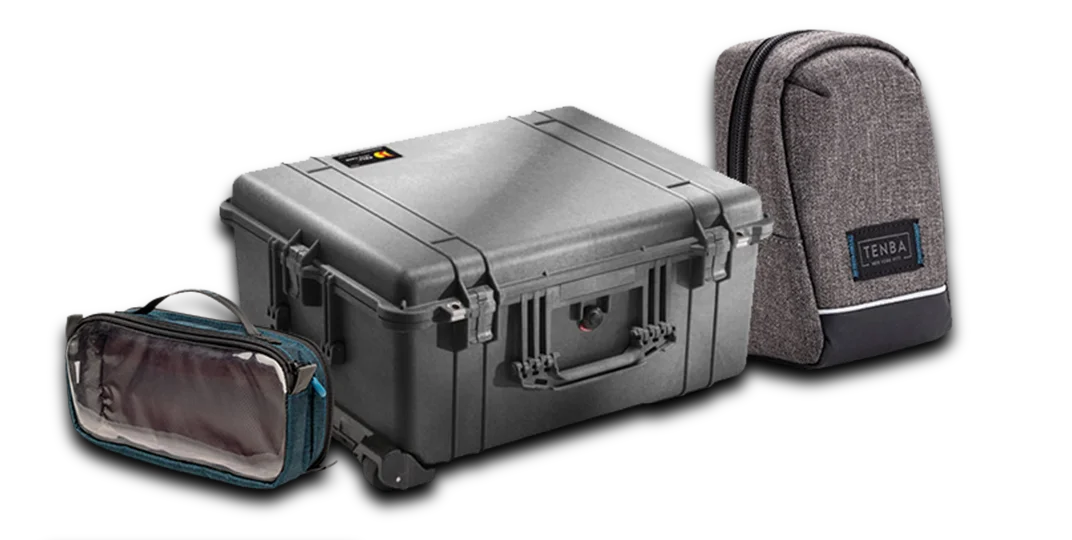
Consider what memory cards the camera uses (usually SD or CFexpress) and how many it can hold, or record to external SSDs or disk recorders. Extra batteries, external microphones, tripods, and camera bags can enhance your shooting experience.

accessories image

Budget and Brand

Set a realistic budget that balances features with cost. Popular brands like Canon, Fujifilm, Sony, Blackmagic, and Panasonic offer models across all levels. Research warranties and service options. By focusing on these key points, you can confidently choose a camera that fits your style, needs, and budget. Remember, the best camera is the one that inspires you to shoot more and enjoy the creative process.

Summary

Choosing the right camera is about matching your creative goals with the features and types best suited to your needs and budget. Whether you're a casual shooter or a professional creator, understanding the broad camera categories will narrow down your options and optimise your purchase.

  • DSLRs provide robust build quality with optical viewfinders and an extensive lens ecosystem. Ideal for photographers who want tried-and-true control, especially when shooting stills.
  • Mirrorless Cameras offer compact designs, fast autofocus innovations, and superb video capabilities. They are popular for their convenience and cutting-edge technology.
  • Cinema Cameras cater to filmmakers demanding top-tier image quality, high dynamic range, and modular customisation.
  • Camcorders specialise in long-duration video with pro audio inputs and superb stabilisation, favoured by event videographers and journalists.
  • Action and 360° Cameras enable adventurous and immersive shooting, often waterproof and compact.
  • PTZ Cameras are best for remote operation scenarios including surveillance and streaming.

Critical factors besides camera type include sensor size, which impacts image quality; lens versatility for creative flexibility; and video features such as frame rates, autofocus, and connectivity.

Durability, ease of use, screen types, and battery life influence comfort and reliability in various shooting conditions. Storage options and accessory compatibility complete the buying checklist.

Balancing your budget with desired specs and choosing trusted brands like Canon, Sony, Panasonic, and Blackmagic empowers you to make a confident and satisfying camera investment.
Frequently Asked Questions FAQ

Here are some common questions and answers to help you find the information you need.

DSLR cameras use a mirror and optical viewfinder, offering robust battery life and a classic feel, while mirrorless cameras rely on electronic viewfinders or LCD screens, allowing for lighter builds, quieter operation, and advanced autofocus systems. Mirrorless models are rapidly becoming the standard for new buyers due to faster innovation and compact size. For more info check out our DSLR & Mirrorless camera buyers guide.

Sensor size significantly impacts image quality, depth of field, and shooting style. Choose a sensor size that aligns with your needs for resolution, low-light capability, budget, and portability.

  • Medium format sensors are the largest, offering unmatched detail, dynamic range, and the smoothest background blur—perfect for commercial, studio, and landscape photography.
  • Full-frame sensors provide excellent low-light performance, wide dynamic range, and higher resolution, striking a balance between quality and versatility for most professionals.
  • APS-C sensors bring great image quality in a compact, affordable package, making them ideal for enthusiasts, travel, and everyday photography.
  • Micro four-thirds sensors are the smallest in common use, prized for portability and deep depth of field, great for outdoor, video, and lightweight kits.

Kit lenses are affordable and good for learning, covering general focal lengths. Upgrading to specialized lenses later (prime, telephoto, wide-angle) gives you better image quality and flexibility. Most photographers eventually expand beyond the kit lens.

4K resolution is now standard for professional video, providing sharp, detailed images, with some cameras offering up to 12K resolution. Look for cameras that offer 24fps for cinematic feel, 30fps for TV, and 60fps or higher for smooth slow-motion. Higher frame rates and resolutions allow for creative flexibility in post-production.

Choose a camera from a system with a broad lens selection and active development. Prioritize up-to-date connectivity (USB-C, Wi-Fi), firmware support, and modern sensor technology. If possible, test camera ergonomics and menu systems to ensure they fit your workflow.