CONTENT HUB
NVIDIA HIGHLIGHTS OF THE CES SHOW 2026
NVIDIA kicked off this year’s CES show in Las Vegas with a slew of exciting new hardware and software announcements. Here are the essential announcements to keep you up to date with everything from the leader in AI, robotics and PC gaming.
RUBIN AI PLATFORM
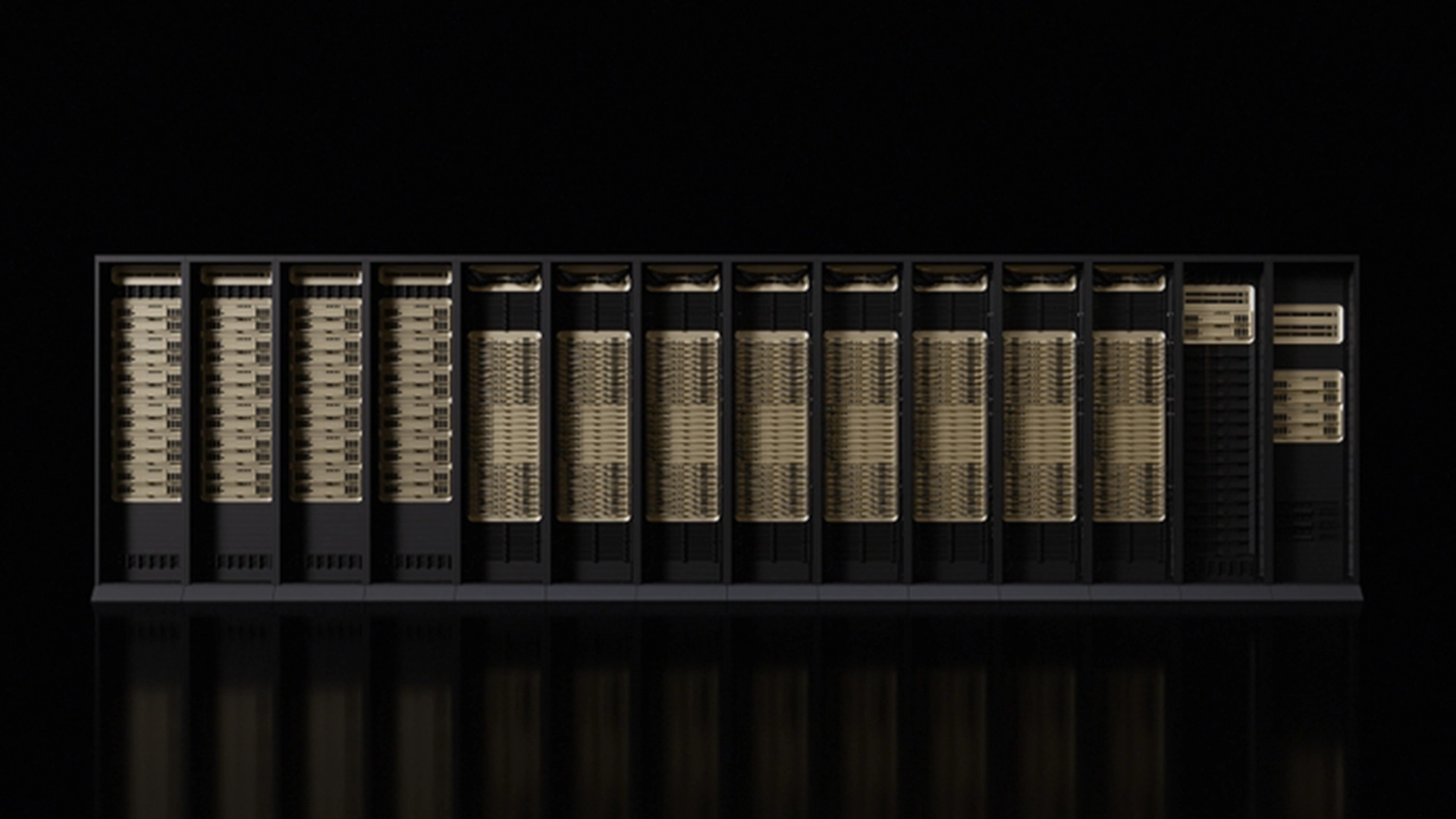
The most significant announcement was that Rubin, the next-generation AI platform, has now entered production and will be available later this year. Rubin is a lot more than a GPU, although of course that is at the heart of the new platform.
That’s because Rubin also comprises five other components, the Vera CPU, NVLink 6 switch, ConnectX-9 SuperNIC, BlueField-4 DPU and Spectrum-6 Ethernet switch. These components can be configured in variety of ways, starting with HGX Rubin NVL8 servers then moving up to the DGX Rubin NVL8 and DGX Vera Rubin NVL72 appliances. The ultimate implementation is the rackscale DGX SuperPOD comprising dozens of nodes working together in parallel for the most demanding applications.
The preliminary performance data makes it hard to directly compare Rubin with the existing Blackwell platform, but it would appear to be 5.5x and 3.7x faster at NVFP4 than the HGX B200 and B300 respectively.
Make sure to reach out to the SCAN AI TEAM to be first in the queue for more information about the different NVIDIA Rubin platforms.
INFERENCE CONTEXT MEMORY STORAGE PLATFORM
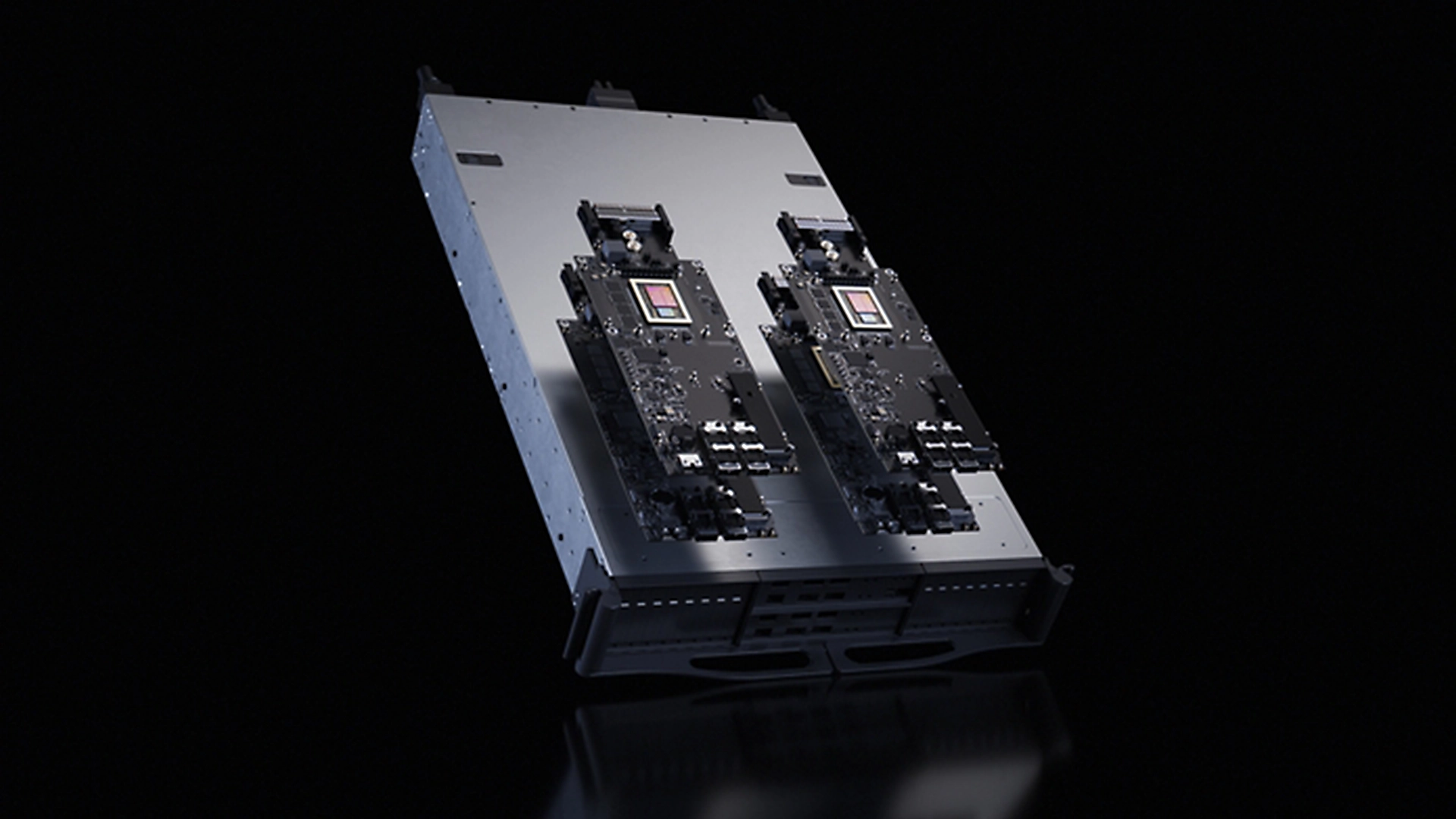
NVIDIA also announced the Inference Context Memory Storage Platform, a new architecture for AI factories running demanding agentic AI inferencing workloads. The new platform is powered by BlueField-4 DPUs, acting as key-value (KV) cache to free up GPU memory, boosting tokens per second by up to 5x.
Scan partners such as DDN, Dell, VAST Data and WEKA are developing new AI storage appliances based on the new architecture, due for release in the second half of 2026. Make sure to reach out to the SCAN AI TEAM to keep up to date as more information becomes available.
ALPAMAYO AUTONOMOUS VEHICLE MODELS AND TOOLS
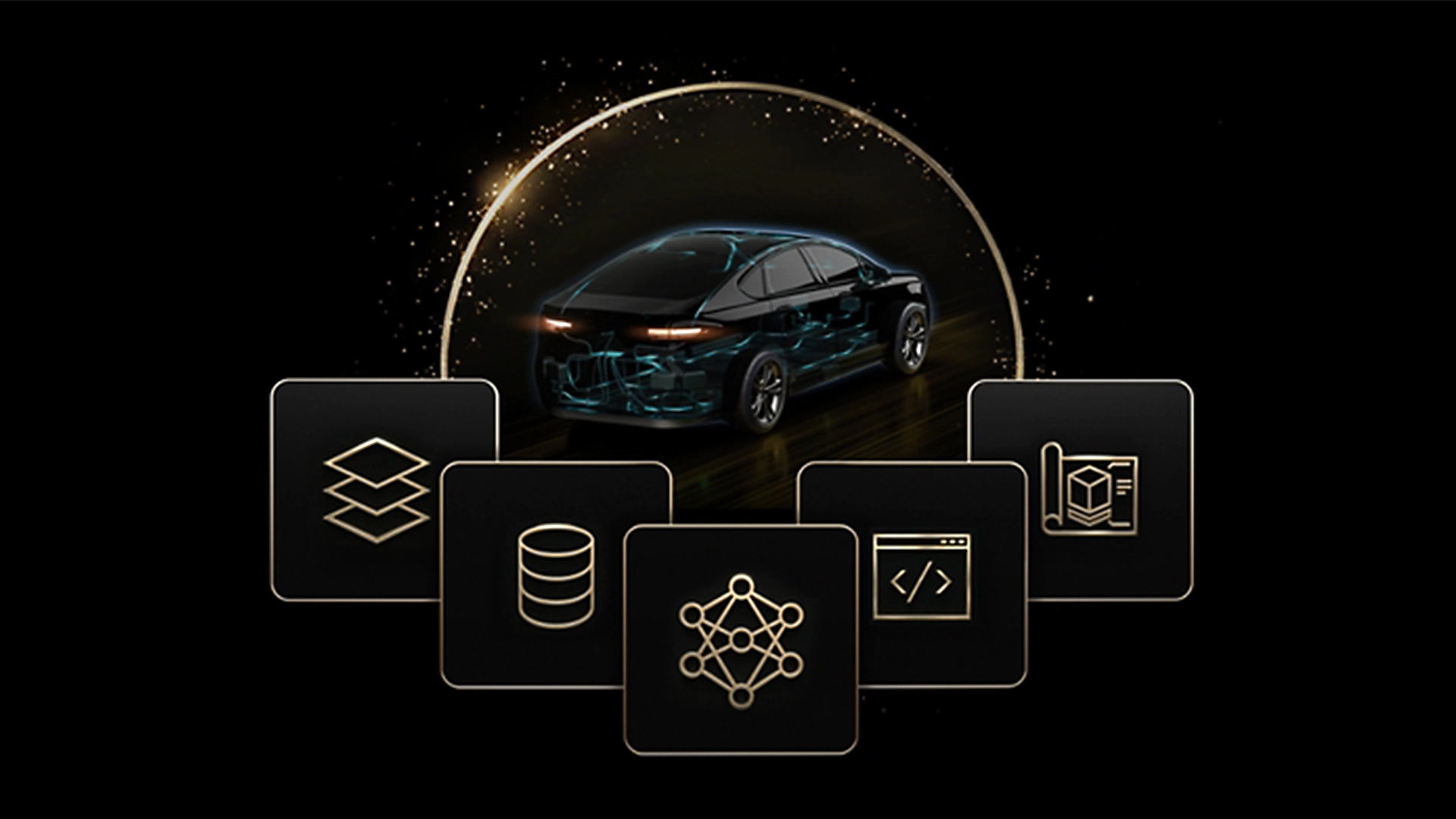
NVIDIA also announced Alpamayo, a suite of models and tools for developing autonomous vehicles (AVs). This builds on existing tools such DRIVE, introducing chain-of-thought, reasoning-based vision language action (VLA) models that bring humanlike thinking to AV decision-making. These systems can think through novel or rare scenarios step-by-step, improving driving capability and explainability - which is critical to scaling trust and safety in AVs.
Alpamayo is already being used by AV manufacturers to develop level 4 autonomous functionality, such as in the Mercedes‑Benz CLA.
FOUR NEW PHYSICAL AI MODELS FOR ROBOTICS
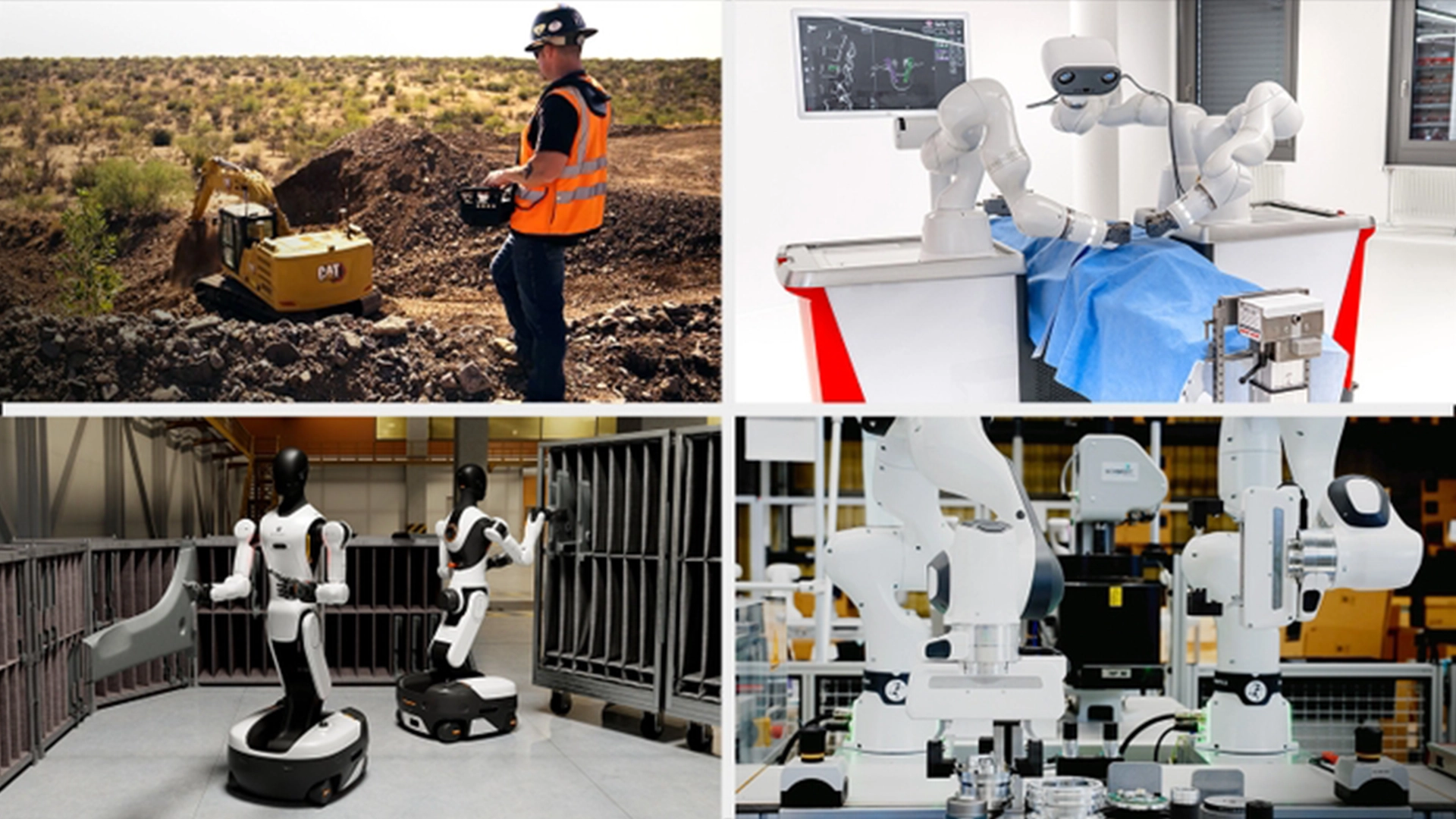
While robot hardware tends to grab all the headlines due to its photogenic nature, intelligent robots would be impossible without the physical AI models that power them. To that end, NVIDIA has released four new AI models.
These comprise Cosmos Transfer 2.5 and Cosmos Predict 2.5, open, fully-customisable world models that enable physically-based synthetic data generation and robot policy evaluation in simulation for physical AI. There’s also Cosmos Reason 2, an open reasoning vision language model (VLM) that enables intelligent machines to see, understand and act in the physical world like humans. Finally, Isaac GR00T N1.6, an open reasoning vision language action (VLA) model, purpose-built for humanoid robots, unlocks full body control and uses Cosmos Reason for better reasoning and contextual understanding.
All four of these new physical AI models are available now via HUGGING FACE.
DLSS 4.5 DYNAMIC MULTI FRAME GENERATION
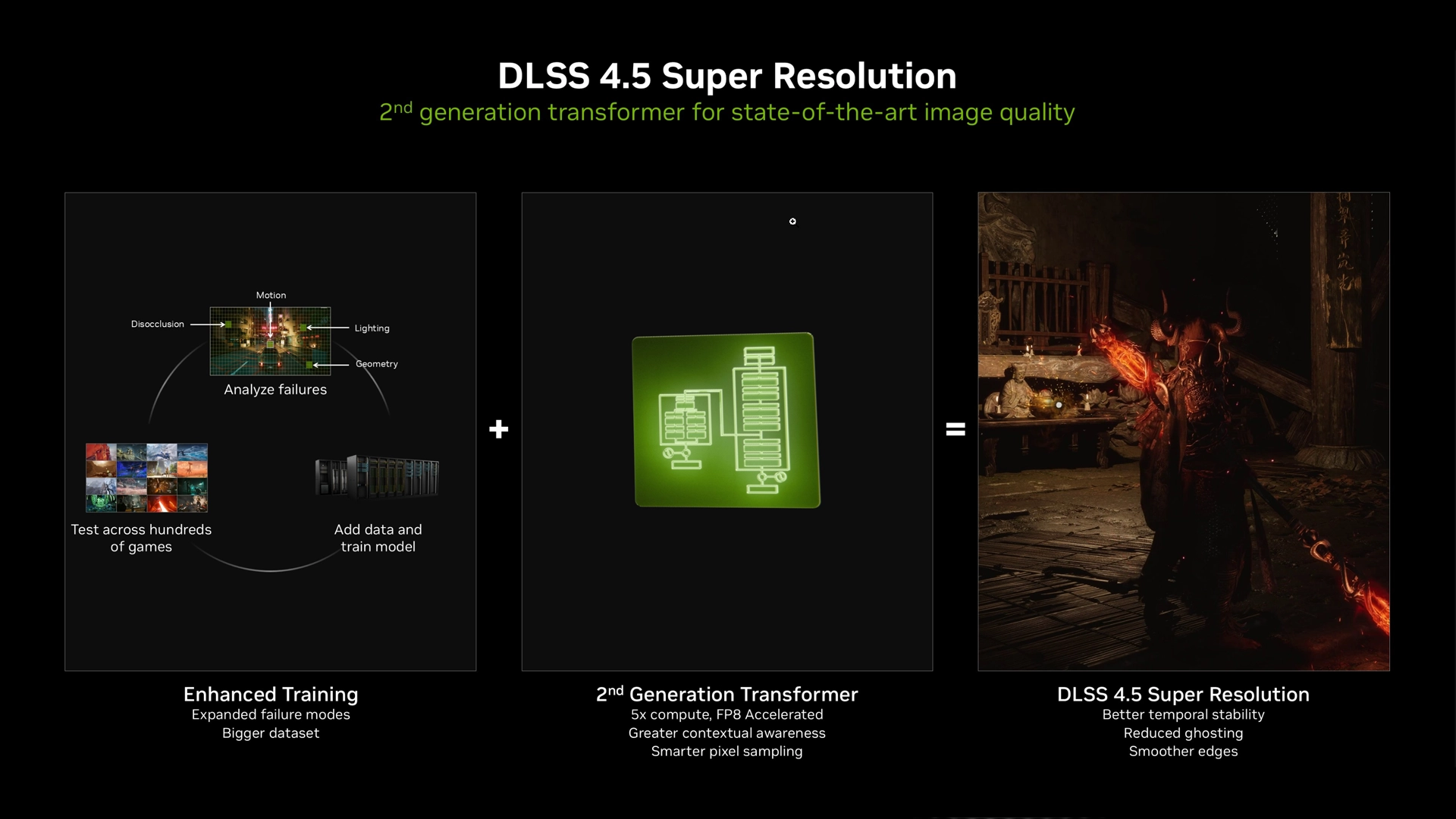
Switching gears to PC gaming NVIDIA announced an improved version of its frame generation technology, DLSS 4.5. This uses AI to generate up to five frames for every rendered frame, up from four frames in DLSS 4. DLSS 4.5 also includes a 2nd gen Super Resolution transformer model that improves image quality, reducing ghosting and other visual artefacts as demonstrated in the video below.
Upgrading to an NVIDIA GEFORCE RTX 50-SERIES GRAPHICS CARD with DLSS 4.5 enables 240+ fps gaming using path tracing, for the ultimate in performance and image quality.
G-SYNC PULSAR MONITORS
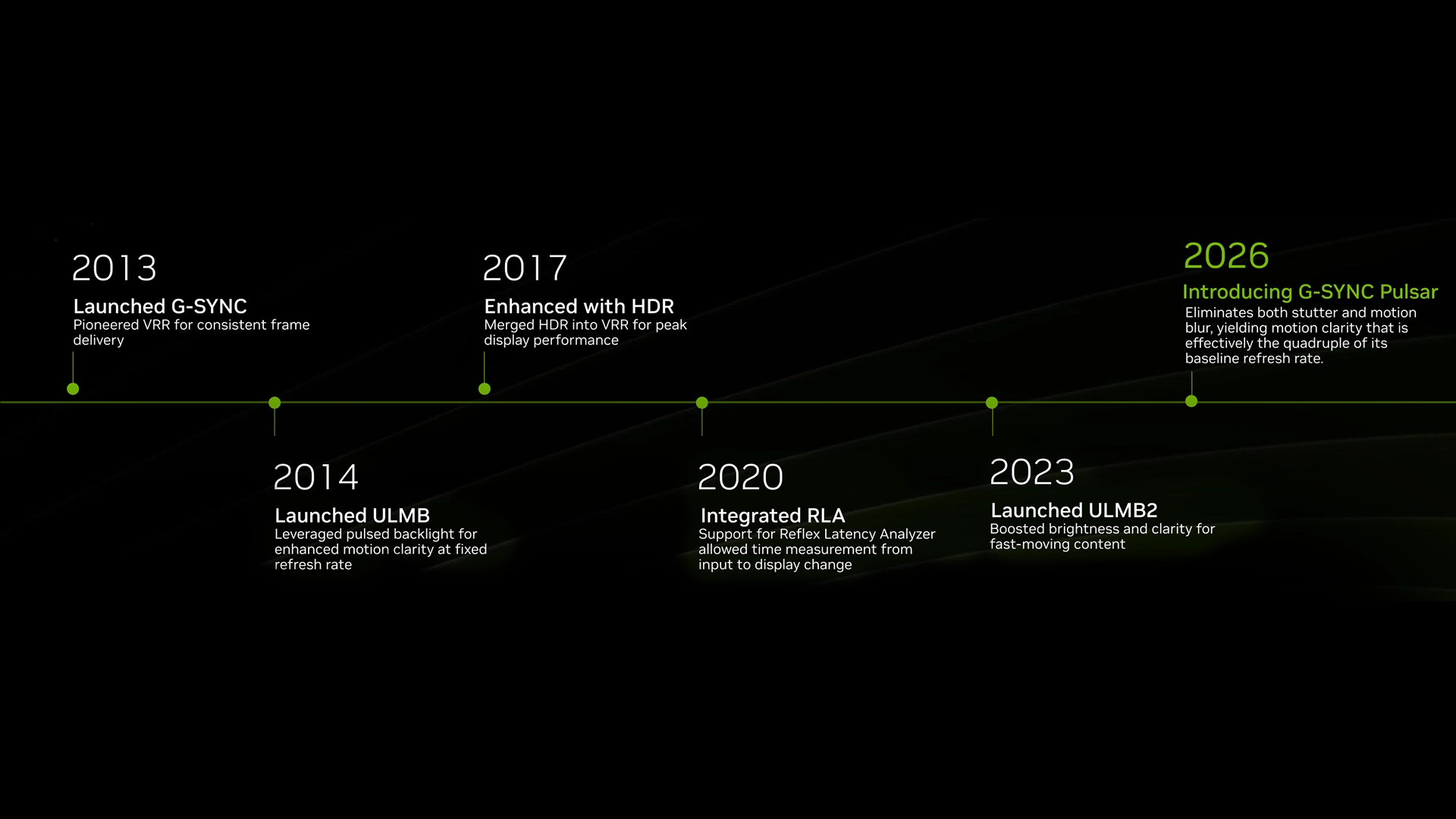
It’s an oft-over used phrase in the PC industry, but when G-SYNC debuted in 2013 it really was a game changer for PCs – radically improving your gaming experience by synchronising the refresh rate of the monitor with the frame rate of the graphics card.
As the infographic above shows, NVIDIA has continued to develop G-SYNC over the years, and this January is adding a new revision called Pulsar. Aimed at the competitive esports market, Pulsar adds a strobing effect to the monitor backlight, effectively increasing the perceived frame rate up to as much as 1,000Hz.
This video explains in more depth how the new Pulsar technology works.
Check out the first G-SYNC PULSAR MONITORS from the likes of Acer, AOC, Asus and MSI.