
AMD packed a wealth of announcements into its annual Advancing AI Conference in San Francisco. Here is what the CPU and GPU powerhouse has planned for release in the coming months.
AMD EPYC 6th Gen CPUs
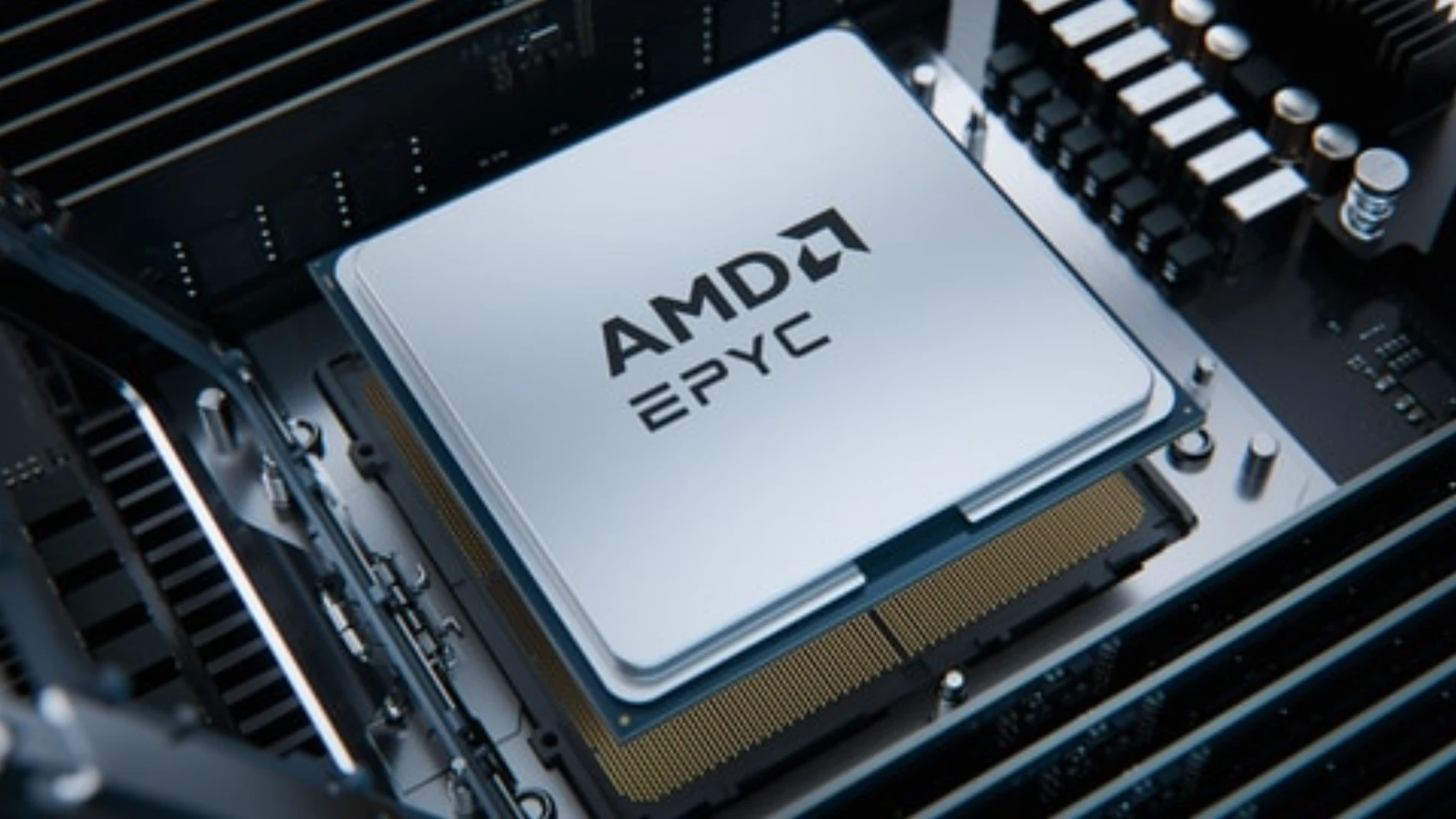
After months of teasing, AMD has formally announced its forthcoming range of EPYC 6th Gen server CPUs. These are the first CPUs to use the Zen 6 and Zen 6c architectures, sporting a ‘6’ at the end of the model number to make them easier to identify. This is important, as there are dozens of 6th Gen models spread across four distinct families, each optimised for different workloads.
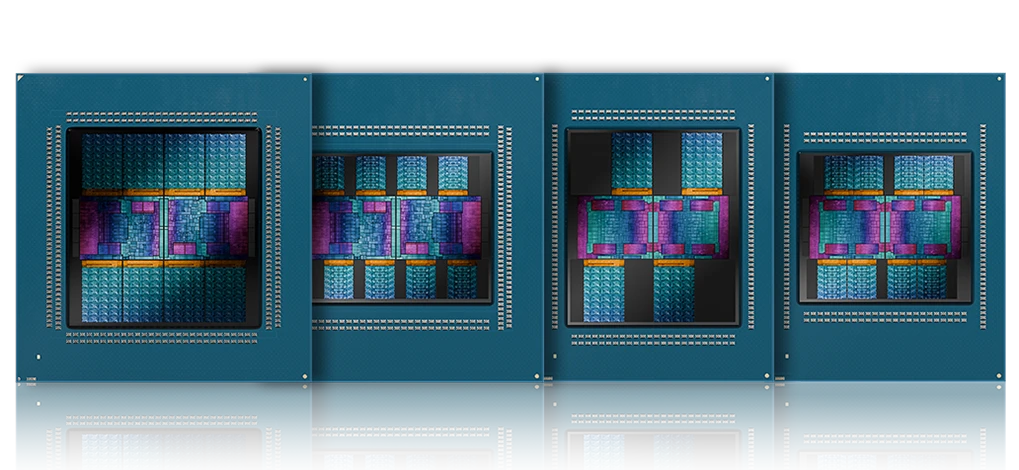
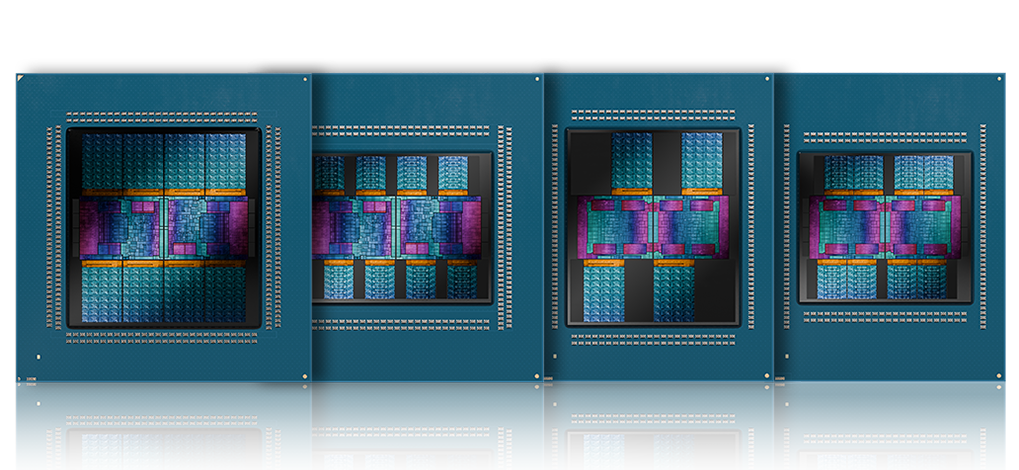
AMD EPYC 9006 SP7
AMD EPYC 9006 SP7 processors, codenamed Venice, are built for high-end AI and cloud workloads. They feature up to 256 cores and 512 threads, 16 channels of DDR5 and a TDP of up to 600W. They are expected to start shipping in Q4 2026.
AMD EPYC 9006X SP7
AMD EPYC 9006X SP7 processors, codenamed Venice-X, are built for HPC and other memory-sensitive workloads. They have fewer cores, with up to 96, but run at a higher frequency and have three times the Level 3 cache. They are scheduled for release in the second half of 2027.
AMD EPYC 9006 SP8
AMD EPYC 9006 SP8 processors, also codenamed Venice, are built for general-purpose servers. They feature up to 128 cores and 256 threads, eight channels of DDR5 and a TDP of up to 400W. As with previous generations of EPYC processors, there will also be lower-cost, single-socket-only versions, identifiable by a ‘P’ at the end of the model number. They are scheduled for release in the first half of 2027.
AMD EPYC 9006 LP
AMD EPYC 9006 LP processors, codenamed Verano, are built for rack-scale AI systems. They feature up to 72 cores and 144 threads, improved xGMI connectivity to boost GPU-to-GPU performance and power-efficient LPDDR5X memory. They are scheduled for release in the second half of 2027.
Compared with previous-generation processors, all EPYC 6th Gen variants have PCIe 6 connectivity, improved security features, support for memory expansion via CXL 3.1 and new power-management and quality-of-service features.
Scan’s 3XS Systems division will offer servers based on ASUS and Supermicro designs in the coming months. Get in touch with our AI team for further details.
AMD Instinct MI400-Series GPUs
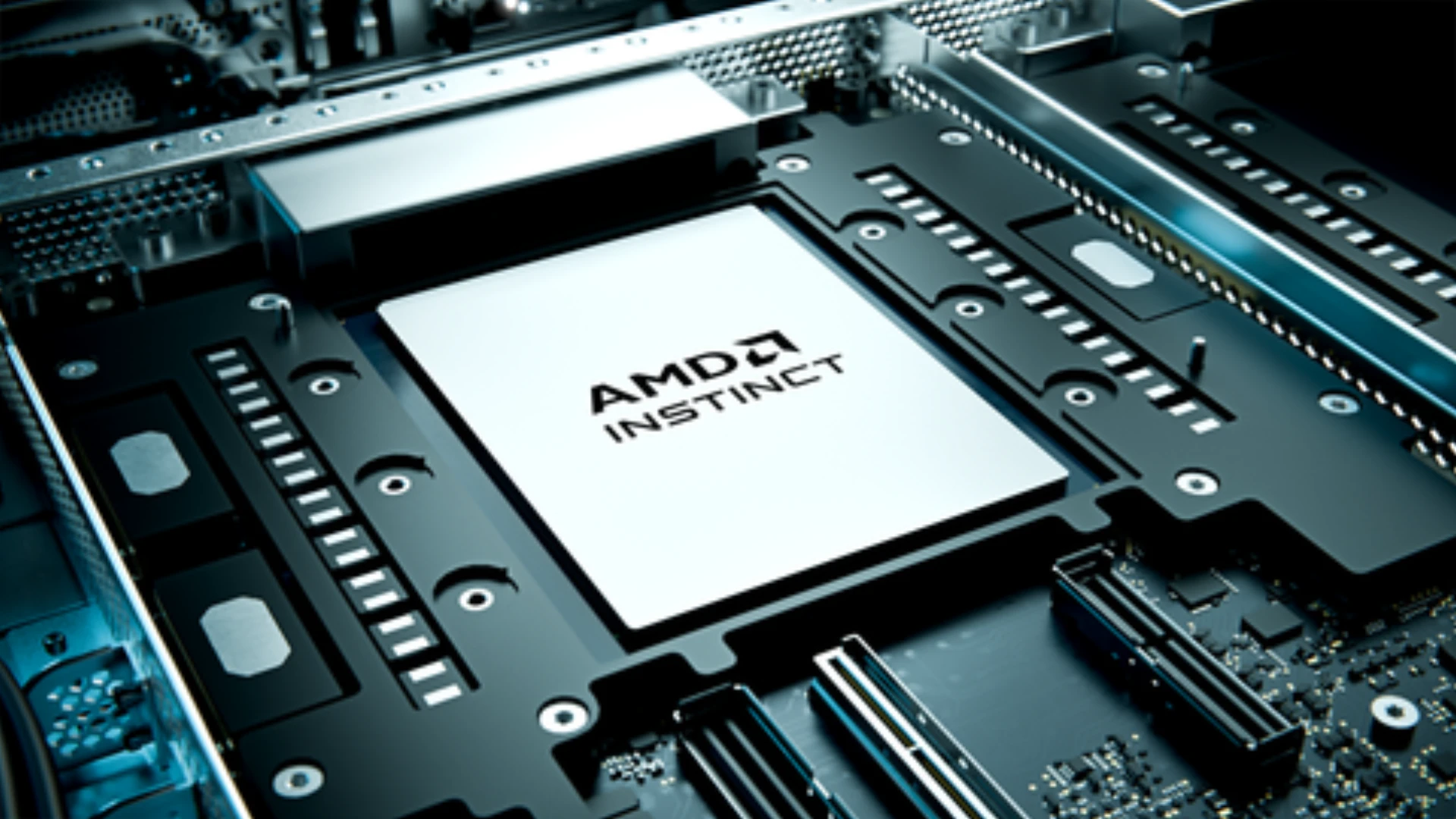
AMD also announced a new generation of Instinct MI400-series GPUs based on the CDNA 5 architecture. This comprises two models, the MI455X and MI430X, both designed for high-end enterprise workloads.
The MI455X is designed for inference workloads in AI factories, featuring up to 256 Work Group Processors optimised for FP4 operations and up to 432GB of HBM4 memory with 23.3TB/s of bandwidth. AMD claims it is up to 26% faster than an NVIDIA Vera Rubin Superchip, with up to 40 PFLOPS FP4 and 20 PFLOPS FP8.
The MI430X is designed for HPC and sovereign AI workloads. It is optimised for high-precision FP64 operations, with a peak output of 288 PFLOPS, by far the highest rate we have ever seen.
AMD Helios Rack-Scale AI
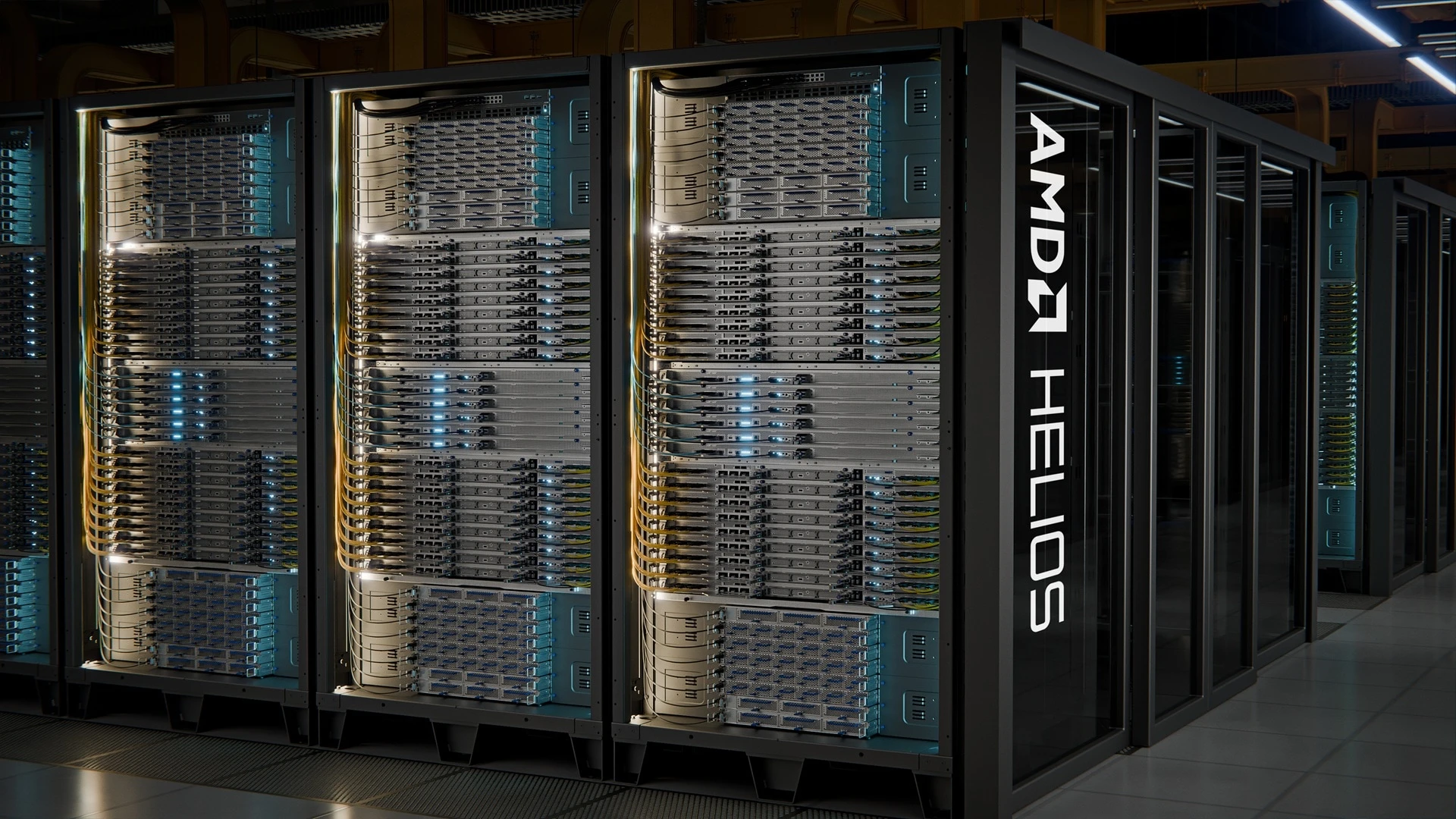
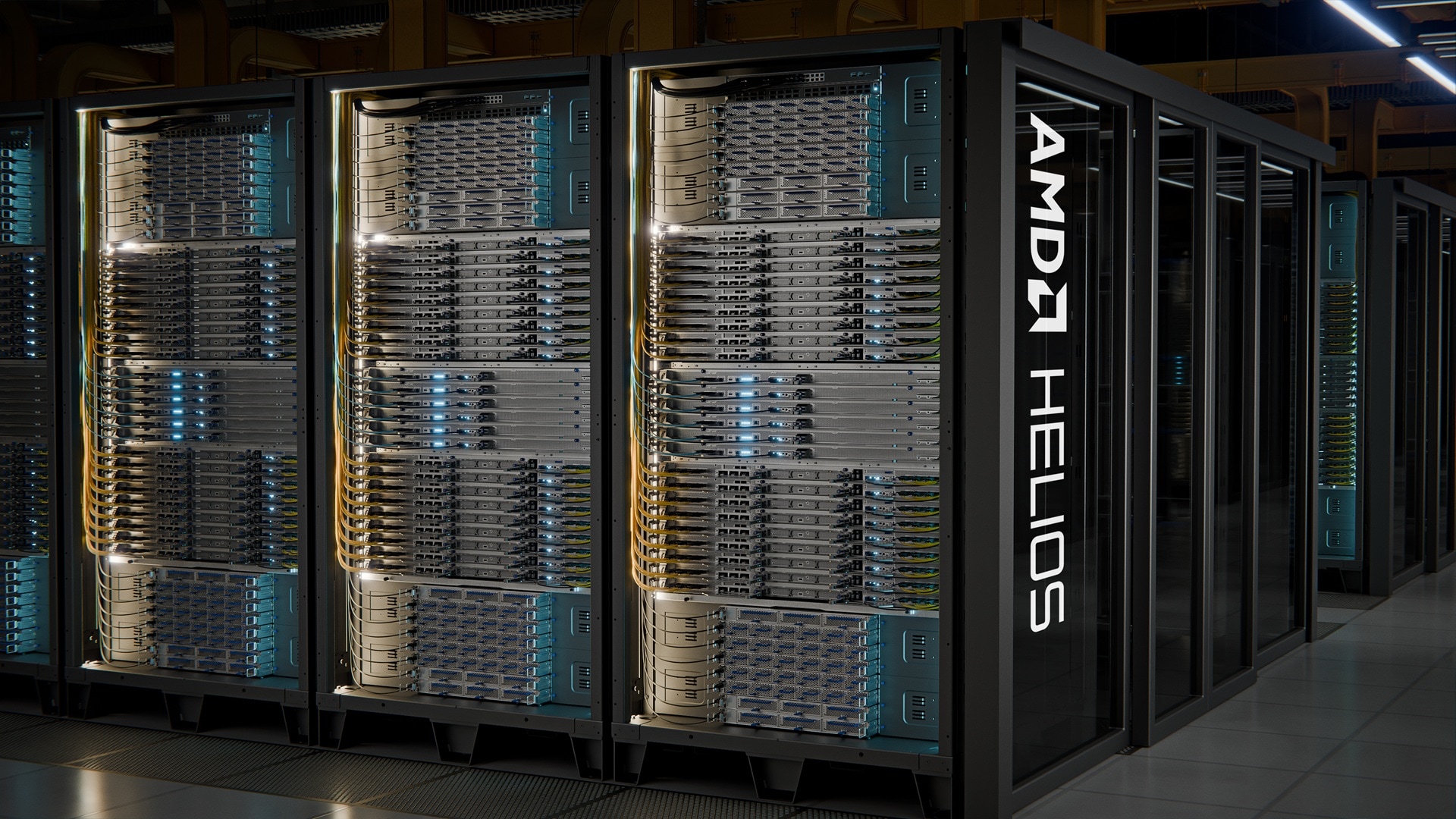
With AI factories being all the rage among technology companies, it should come as no surprise that AMD has a rack-scale architecture of its own. Known as Helios, it combines 18 EPYC 6th Gen CPUs and 72 Instinct MI455X GPUs, connected using AMD’s Pensando networking and ROCm software. Think of this as AMD’s answer to NVIDIA’s Vera Rubin NVL72.
A single Helios rack delivers up to 2.9 EFLOPS FP5 and 1.4 EFLOPS FP8, and is equipped with 31TB of HBM4 memory with 1.7PB/s of bandwidth. Yes, you are reading that correctly: PFLOPS is no longer a large enough measure of compute performance, so AMD is now using EFLOPS (10 to the power of 18 versus 10 to the power of 15).
The AMD ROCm open software platform is also receiving improvements, with ROCm.ai enabling AI-assisted programming using Claude, Codex and Cursor on AMD platforms such as Helios.
AMD Physical AI Platforms
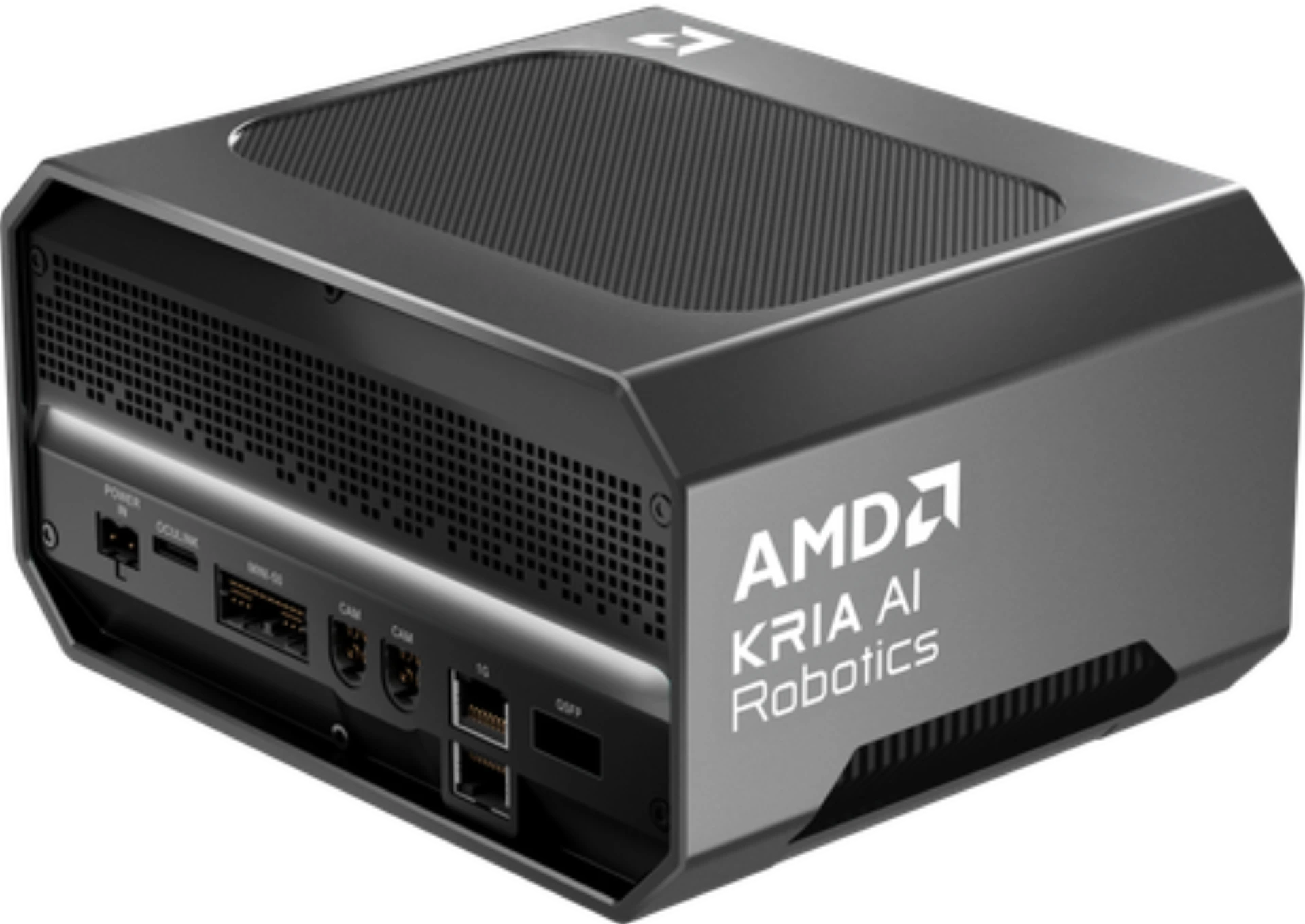
AMD is also gearing up for the physical AI revolution with a range of Kria modules powered by Ryzen AI X100 processors. Think of this as AMD’s answer to NVIDIA’s well-established Jetson line of embedded systems. Based on the Zen 5 architecture, these modules have up to 16 CPU cores, RDNA 3.5 graphics, an XDNA 2 NPU and up to 128GB of LPDDR5 memory. This sounds like a lot of performance on paper, although AMD has not yet published power-consumption figures, a crucial metric for any embedded module.
AMD AI Roadmap
Looking further ahead, AMD confirmed that 7th Gen EPYC CPUs are on track for 2028, with 8th Gen also planned for 2030. The company is also planning new Instinct MI500-series GPUs for 2027 and MI600-series GPUs for 2028.