Alien Neostrain Case Study
Alien Neostrain
Using digital twins for props and hard surface modelling for virtual production of a sci-fi film
The short film Alien Neostrain is the creation of Tim Bailey, a 3D Technician at the University of Salford, as part of his MA in Animation. Tim has worked in the creative industry for 25 years, designing and building props using 3D printing, CNC and laser cutting techniques, and wanted to take his skills into new areas of digital content creation.
The MA in Animation is designed to help students develop contemporary storytelling and transmedia techniques within their body of work, and to deepen their knowledge of a specialist role within the creative industry — such as storyboard artist, art director or character designer.

Project Background
In 2022 Tim started a part-time master's degree in animation and at the outset struggled with what to do for a major animated project. His background lay in product design and rapid prototyping. As a creative technical demonstrator at the University of Salford he had been working directly with the motion capture studio team to help create props for performance, and wanted to bring this into his degree.
This was to be a journey of discovery as he worked with the motion capture team and course leader Annabeth Robinson to design and create a range of stylised equipment, peripherals and props aimed at enhancing the immersive experience for motion capture performers. In doing so he learned more about the growing discipline of virtual production through practice and research into storytelling with this technology. As a huge sci-fi fan, the final portfolio work was to explore the virtual production pipeline and pay homage to the iconic Alien franchise and its amazing production design.
Project Approach
Tim's aim for the project was to conduct first-hand research and development that would assist the motion capture team of Connoll Pavey and Jake Louden, who were starting to investigate virtual production workflows within the Screen Acting course at the School of Arts, Media and Creative Technology.
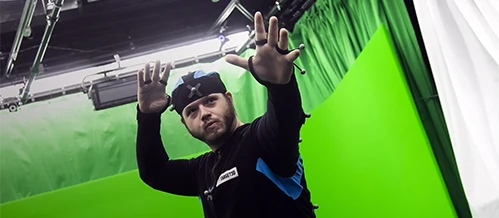
Initially Tim had to learn Unreal Engine 5.4 in order to build a virtual environment and understand the workflows for story and visual development. After testing some prototypes based on ideation sessions in motion capture, a bigger picture started to develop. They began creating physical props and digital twins of those props within the virtual environment, synced in OptiTrack motion capture software and brought to life through performance.
The next step was using CAD software and 3D printing to create the hard-edge elements of the physical props, then enhancing them with electrical elements such as haptics and coded digital interfaces for the immersive experience. With the help of the motion capture team, they then created a perfect digital twin in the virtual environment built in Unreal.
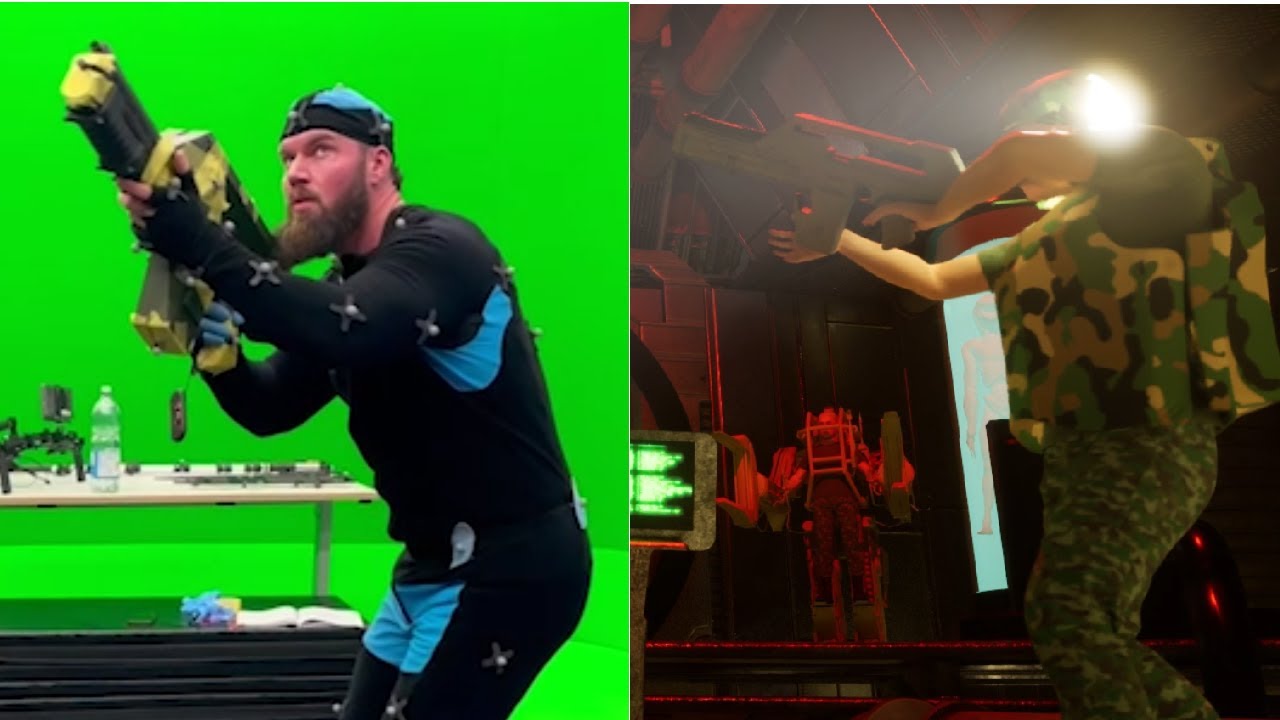
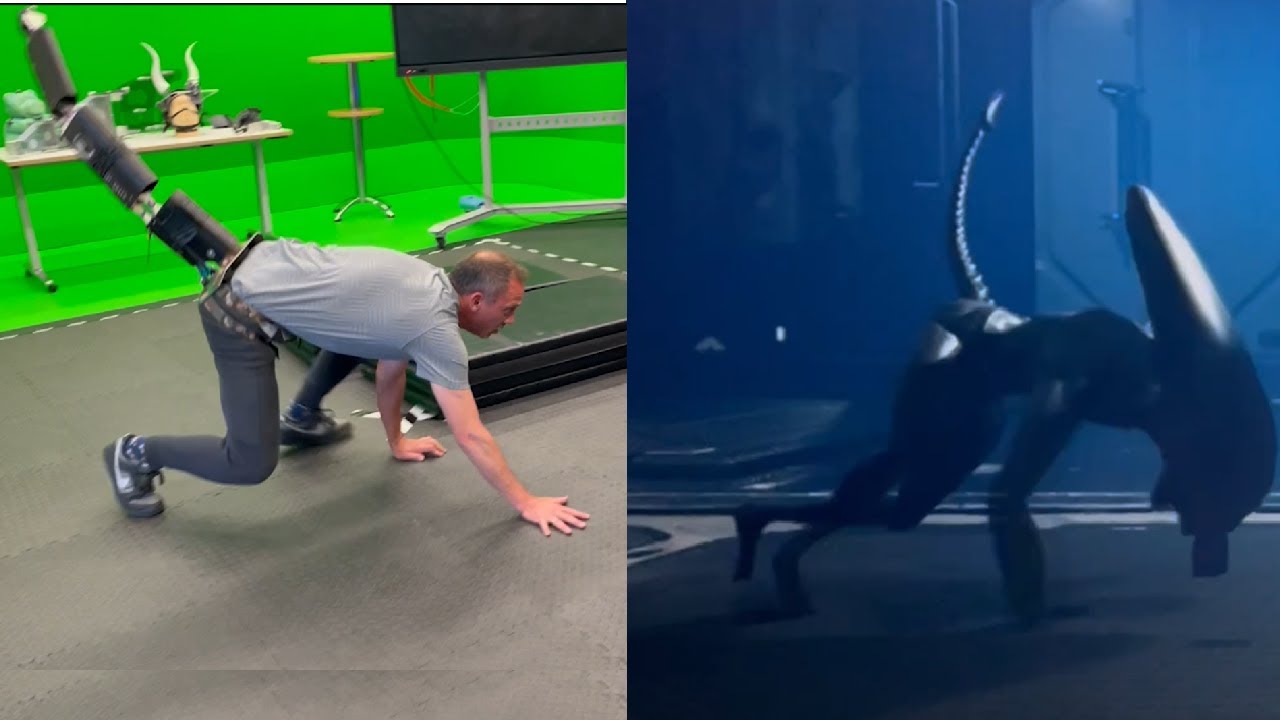
The results were immediately exciting — actors could see an exact replica of the M41A Pulse Rifle props they were holding moving on screen in real-time. Tim also created a mechanical tail to represent the alien creature's tail, investigating how an actor would react to physically having an additional appendage to help portray a fantasy character.
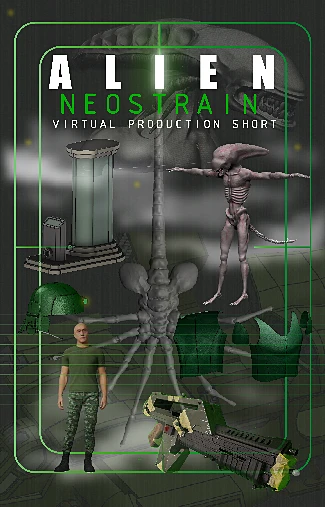
The Alien creatures were created in ZBrush, rigged in Maya and rendered in Unreal. Movement data for the creatures was then recorded in the motion capture studio. To complement the on-screen visuals, Tim collaborated with Brian Flannagan, a composer and games designer, to create the film score. The digital aspects of pre and post production were greatly accelerated by Tim's use of a Scan 3XS Pro Graphics workstation, specially designed for these types of applications.
Project Results
The end result was a virtual production short that involved hard-edge product design, digital twins, real-time motion capture, virtual worldbuilding, digital character sculpting and a bespoke Metahuman. The results became more prominent as the motion capture department developed a course dedicated to the technology — the first of its kind in the UK — alongside a performance module in motion capture that benefitted directly from the props and digital twins.
Tim's quest had been to investigate how hard-edge props can be used in virtual production and whether there is a need for it. Along the way he learned new skills in directing and producing a short film using this technology and working with actors. Feedback from several industry experts confirmed there is a clear need for this type of design support in virtual production, and a great deal more investigation and research remains to be done in this exciting new field.
The Scan Partnership
Scan through its 3XS Systems division has been building specialist workstations for the Media and Entertainment industry for over 30 years. For this project, our technical experts worked closely with Tim to design a system tailored to his virtual production workflows, based around Unreal Engine.
Project wins
Demonstrated how physical prop-building and digital twins complement each other in virtual production
Tim was awarded a Masters Degree with Distinction for his MA in Animation
Helped contribute to the development of a new motion capture course at the University of Salford
Scan already works in close partnership with commercial virtual production companies such as Recode XR and Nightsky Studios, and is proud to support the next generation of film creatives at the University of Salford.
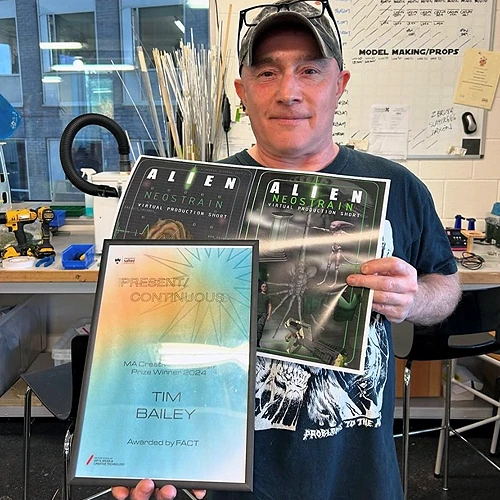
Tim Bailey
3D Technician, University of Salford
"The workstation was a godsend as it enabled me to work on my Unreal Engine project from home rather than relying on the computers at work. The Unreal project was pretty big, but the Scan workstation coped with it really well."
Connoll Pavey & Jake Louden
Motion Capture Department, University of Salford
"Tim's incredible work with prop building and digital twins has transformed the motion capture module. Students love using these tools, which enhance their immersion, character embodiment and performance quality. Tim has enriched both their learning experience and the department immeasurably — thank you sincerely for your dedication and innovation."
Speak to an Expert
You've seen how Scan helped Tim Bailey combine physical and digital filmmaking techniques for virtual production. Contact our expert Pro Graphics team to discuss your visualisation requirements or any projects you have.
Related content
View more case studies