Why Invest in a Professional Field Monitor & Recorder?

Unlike basic camera LCDs, professional field monitors provide larger screens, superior colour accuracy, higher brightness, and advanced tools such as waveform monitors, focus peaking, and LUT support. Combined field monitors and recorders integrate high-quality recording codecs and multiple input/output options, saving the need for an external recorder. Investing in a quality field monitor and recorder enhances your ability to capture perfect footage, ensure focus and exposure accuracy, and streamline post-production.

Types of Field Monitors & Recorders

On camera monitors image

On-Camera Monitors

These compact monitors attach directly to cameras and provide a bigger, brighter viewfinder for precise focus and framing. Features often include 4K resolution, HDR support, built-in LUT loading, focus assist, and SDI/HDMI input compatibility. Popular brands include Accsoon, Atomos, and Blackmagic Design.

Director monitors image

Director Monitors

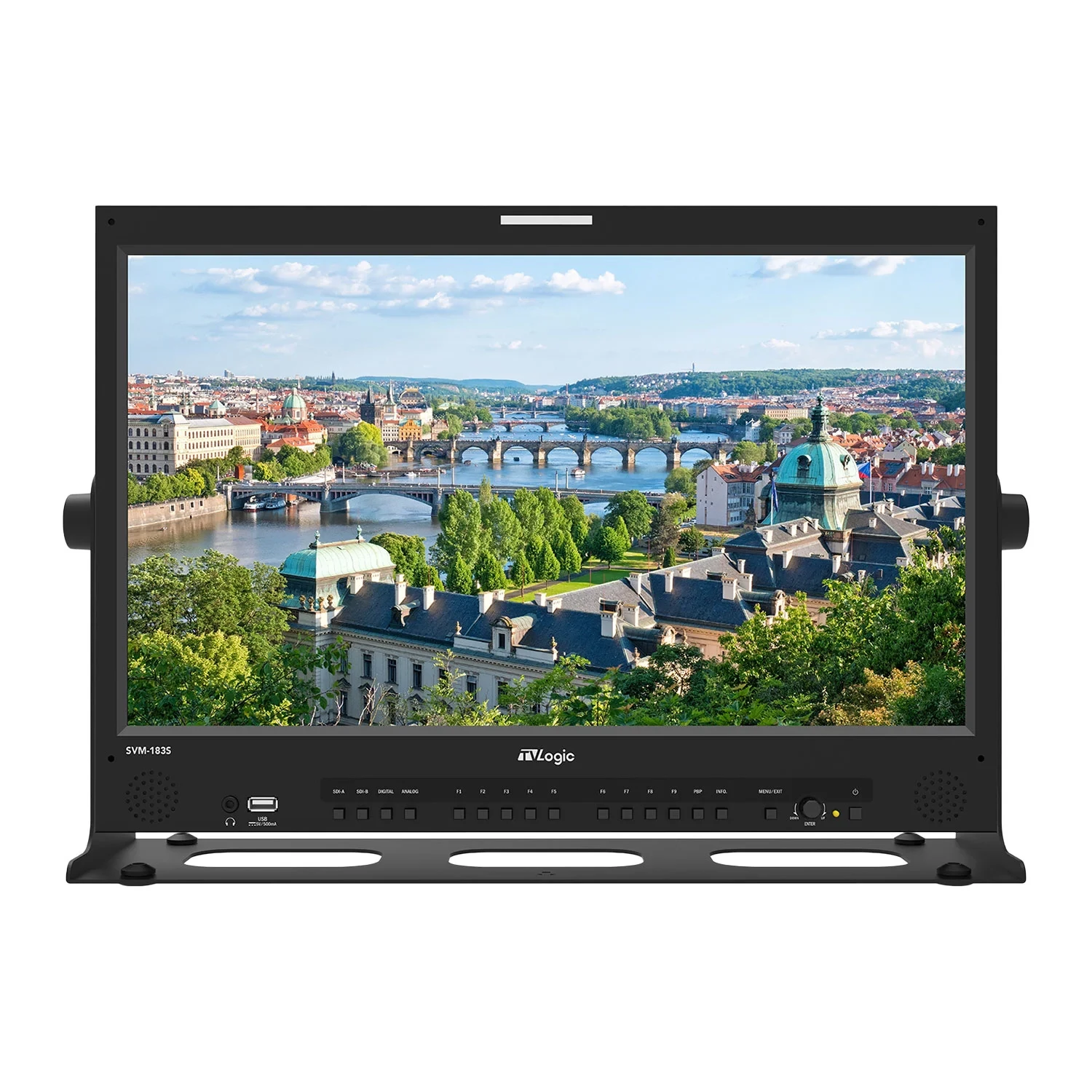
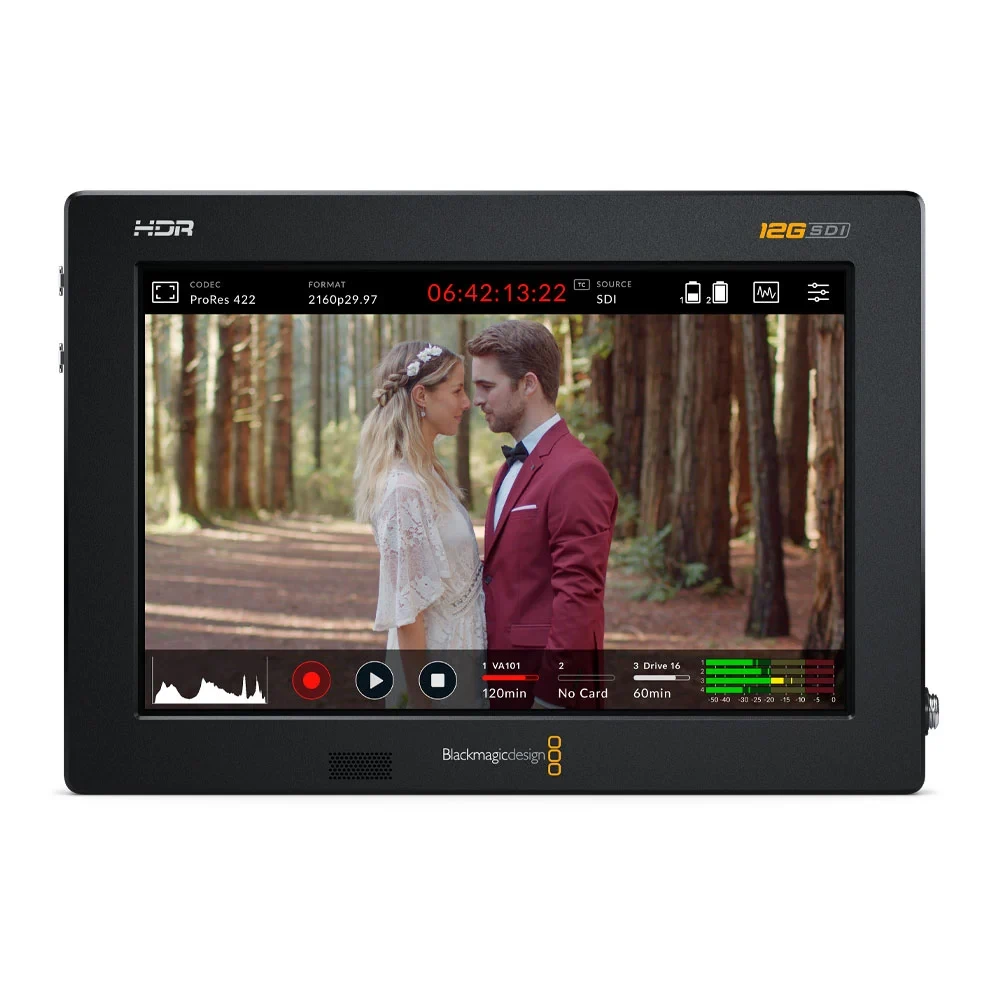
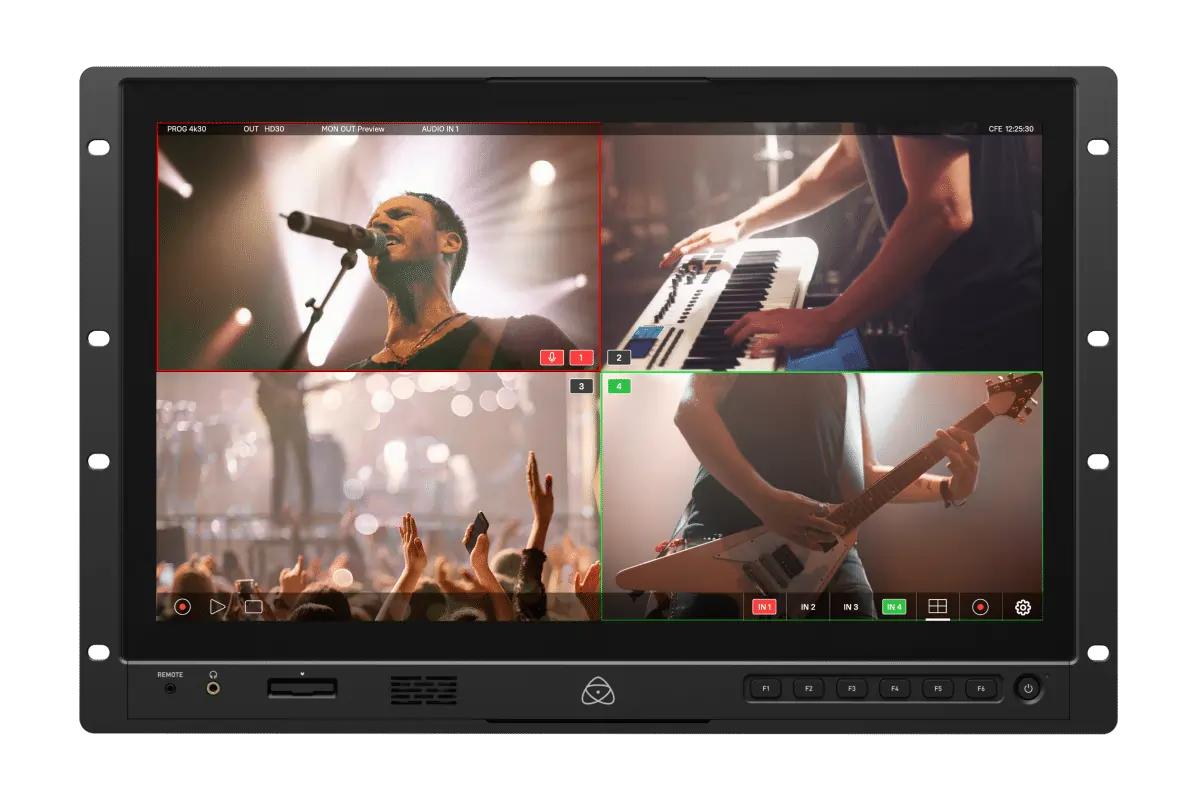
Larger monitors designed for director or client viewing on set with screen sizes ranging from 7 to 17 inches or more. They provide ultra-bright displays for daylight viewing, multi-input, built-in tools for waveform and vectorscope monitoring, and robust connectivity options like 12G-SDI and HDMI. Some models double as recorders, capturing RAW or ProRes files directly. Options from Blackmagic Design, Atomos, TVLogic, and SWIT.

Field recorders image

Field Recorders

Standalone or combined units that provide professional-grade recording beyond camera internal codecs. Capabilities include multi-codec support (ProRes, DNxHR, RAW), extended recording times, high bit-depth, and audio input control. Effective for enhancing image quality and workflow flexibility.

Key Features to Consider

  • Screen Size & Resolution: Most on-camera monitors range from 5" to 7" with Full HD or 4K resolution; director monitors scale up to 17" or more. Larger screens offer better on-set viewing and colour grading with higher resolution.
  • Brightness & Sunlight Viewability: Look for field monitors with minimum 1000 nits brightness for bright outdoor use, plus anti-reflective coatings and HDR support to ensure clear image visibility.
  • Connectivity: Essential inputs include SDI (preferably 6G, 12G for 4K HDR), HDMI 2.0 or higher, plus USB-C or Ethernet for LUT upload and firmware updates.
  • Colour Accuracy & Calibration: 100% Rec.709 and wide gamut DCI-P3 coverage ensure accurate colour reproduction. Calibration support maintains consistency across devices.
  • LUT Support & Image Tools: Ability to load 3D LUTs transforms the on-set image preview to match intended grading. Focus peaking, false colour, histogram, and zebras aid exposure and focus precision.
  • Recording Capabilities: Combined field monitors & recorders enable direct capture of higher-quality codecs, extending camera capabilities. Consider codec options and media compatibility (CFast 2.0, SD cards, SSDs).
  • Build & Mounting: Rugged metal construction, lightweight design, and flexible mounting options (cold shoe, articulating arms) ease integration into varied shooting rigs.

Top Recommended Field Monitors & Recorders

Model Screen Size Resolution Brightness (nits) Inputs Recording Format Notable Features Best For
Atomos Ninja V+ 5" 1920x1080 1000 HDMI 2.0 ProRes, DNxHR, RAW HDR monitoring, 4K60p capture, compact rugged On-camera HDR recording
SmallHD Cine 7 7" 1920x1200 2200 HDMI, SDI No recording Ultra-bright, HDR, focus assist Director and on-set monitoring
Blackmagic Video Assist 7" 12G 7" 1920x1200 2500 12G-SDI, HDMI ProRes, DNxHR Broadcast and cinema-style inputs, RAW record Multi-format recording, broadcast workflows
Atomos Shogun 7 7" 1920x1200 1500 12G-SDI, HDMI ProRes RAW, DNxHR High brightness, HDR, large recording format Professional multi-camera shoots
TVLogic F-7H 7" 1920x1200 1500 12G-SDI, HDMI No recording Calibration tools, built-in scopes Colour critical monitoring

Ready to Buy?

Browse our selection of Field Monitors & Recorders to find the perfect fit for your setup.

Ready to purchase image

Frequently Asked Questions FAQ

Here are some common questions and answers to help you find the information you need.
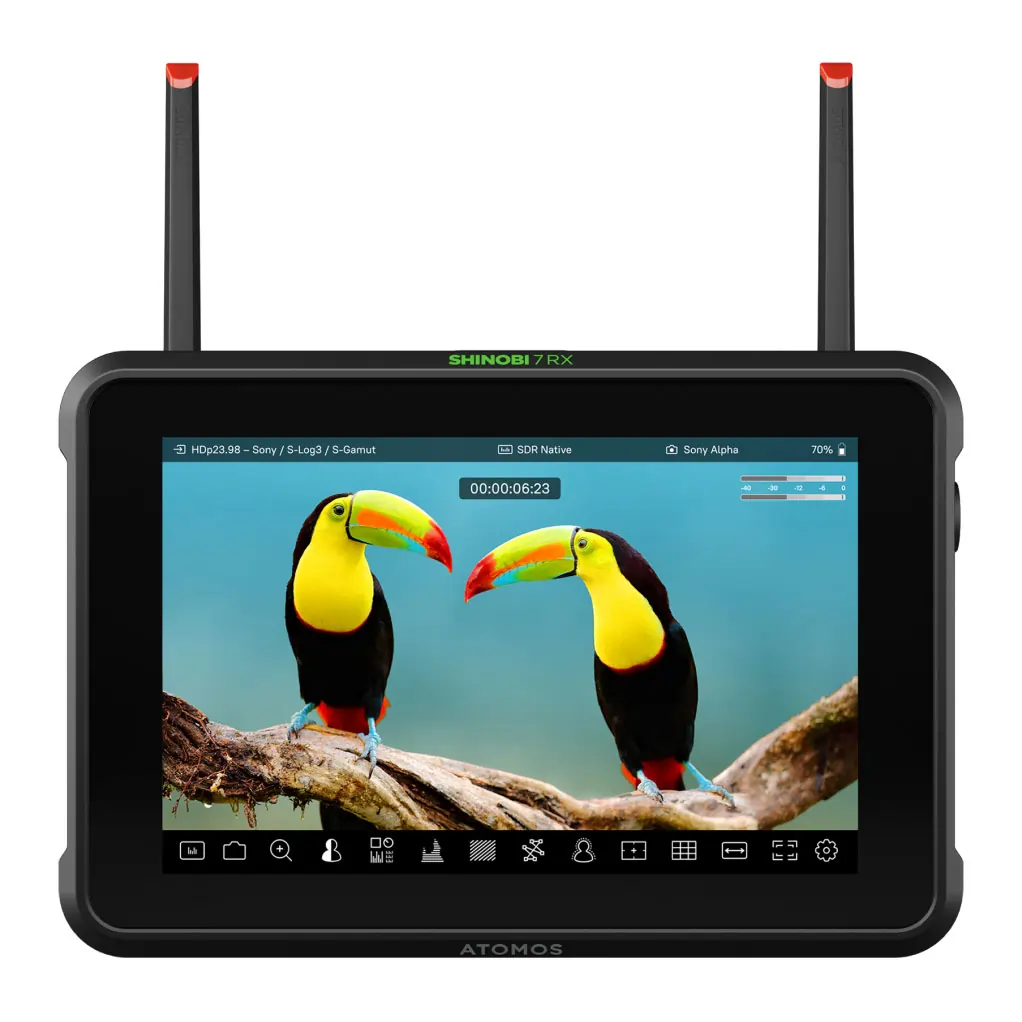
Field monitors are generally smaller, portable screens designed to mount on or near the camera for operator use, while director monitors are larger displays used off-camera for director/client viewing with enhanced brightness and scope tools.

High brightness (1000 nits or higher) is critical for clear outdoor viewing in daylight, helping professionals accurately judge exposure and focus even under direct sunlight.

Some combined units called field recorders allow direct capture of higher quality formats such as ProRes or RAW, improving image quality beyond camera internal codecs and easing workflow.

Professional monitors commonly require 6G or 12G SDI inputs for 4K signal support, plus HDMI 2.0 or later for compatibility with a range of cameras and devices. USB-C or Ethernet ports are also useful for LUTs and firmware updates.

Calibration ensures the colours on the monitor accurately represent the camera’s output and the final intended look, which is essential for colour grading on set and consistent results across devices.

Look for devices supporting fast and reliable media such as CFast 2.0 cards or SSDs, which handle high data rates needed for uncompressed or RAW video formats without dropping frames.