Key Factors when choosing a camera bag
Capacity and Layout
Think about your largest “typical” kit: camera body, lenses, drones, audio and a laptop or tablet. A good bag should fit that load with a little room to grow, using padded, configurable dividers so you can re-arrange the interior when your kit changes.
Comfort and carry style
Straps, back padding and weight distribution are critical if you walk long distances or carry gear all day. Backpacks spread weight over both shoulders, slings and messengers offer faster access, and rollers take the strain off your back altogether.
Protection and weather resistance
For studio and local shoots, a lightly padded shoulder bag might be enough, but outdoor and travel work benefit from thicker padding, waterproof fabrics, sealed zips and integrated rain covers. For maximum protection, especially with cinema cameras, a crushproof hard case with custom foam or divider systems is ideal.
Main Camera Bag Types
Slings & Holsters
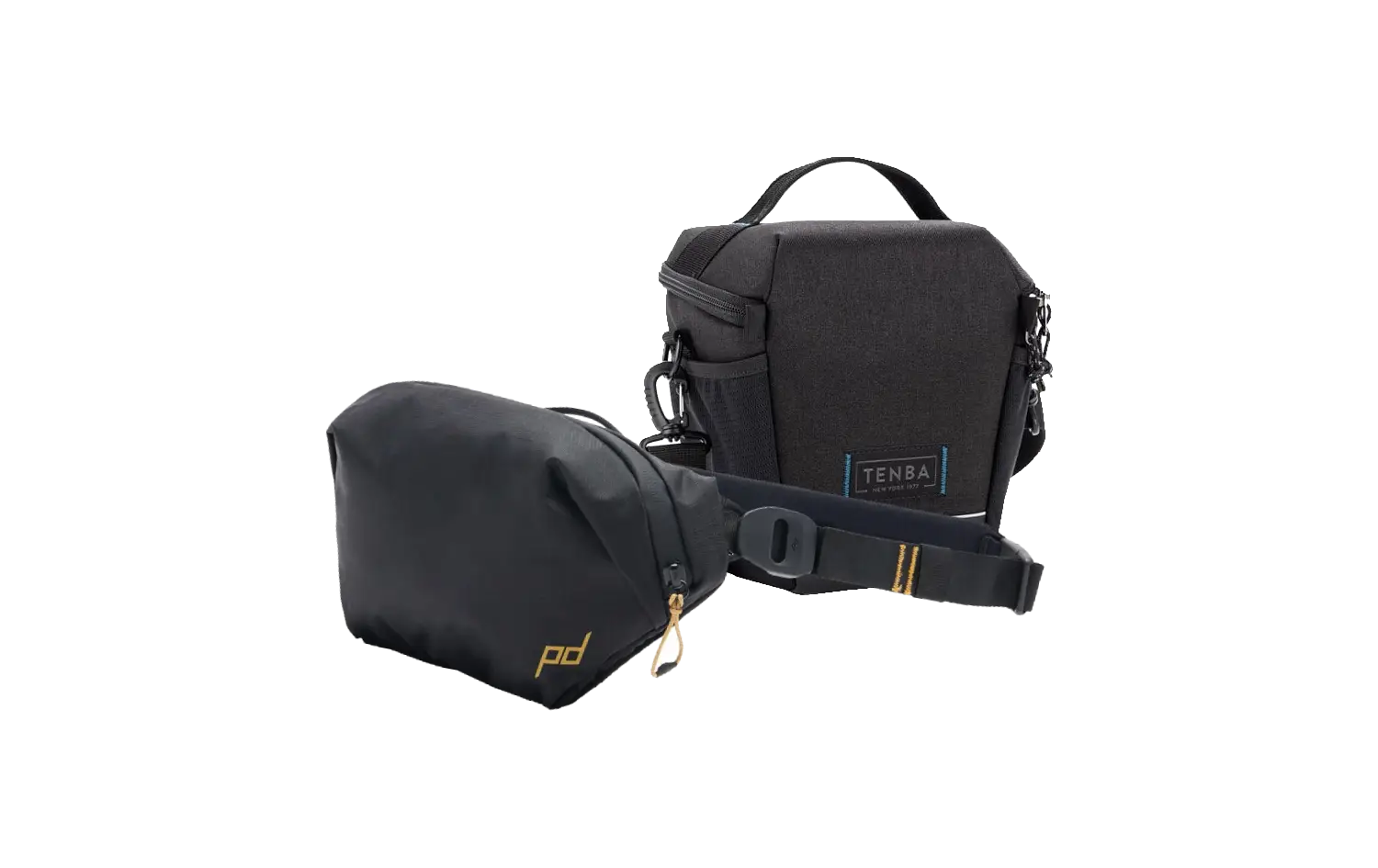
Slings and holster-style bags suit minimal setups where you want the camera ready to shoot at all times. A sling wraps across your body and swings to the front for access, while a holster is a form-fitting case for a body and mounted lens, often worn on a belt or shoulder strap. Perfect for Street, every day, and travel photography where you need to travel light and have quick access to your gear.
Shoulder & Messenger Bags
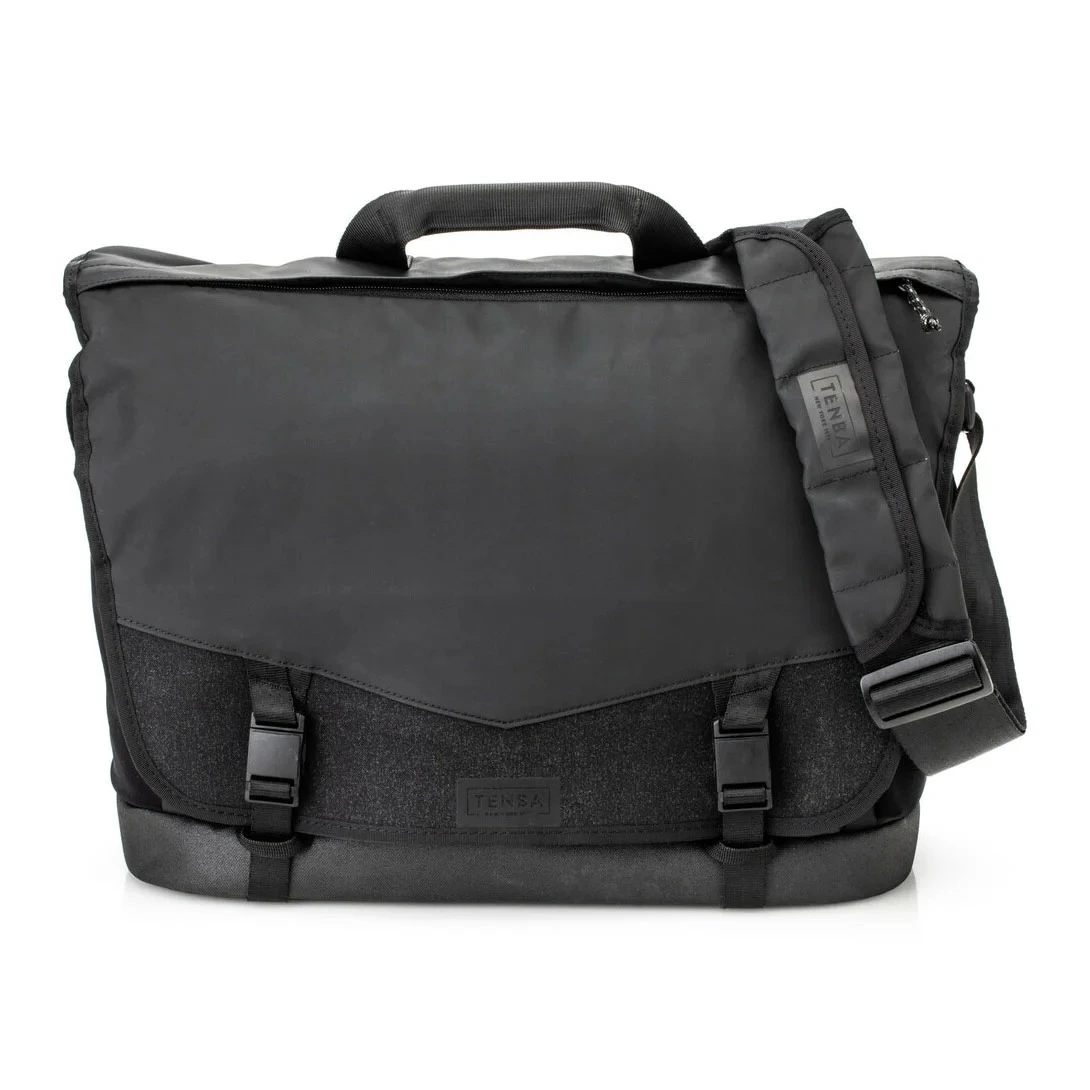
Shoulder and messenger bags are ideal for photographers and videographers who need quick access to one body and a couple of lenses, such as wedding shooters, street photographers, and journalists. They sit at your side, open from the top or flap, and often include extra space for personal items like wallets, phones, and a jacket ready for the British weather.
Backpacks
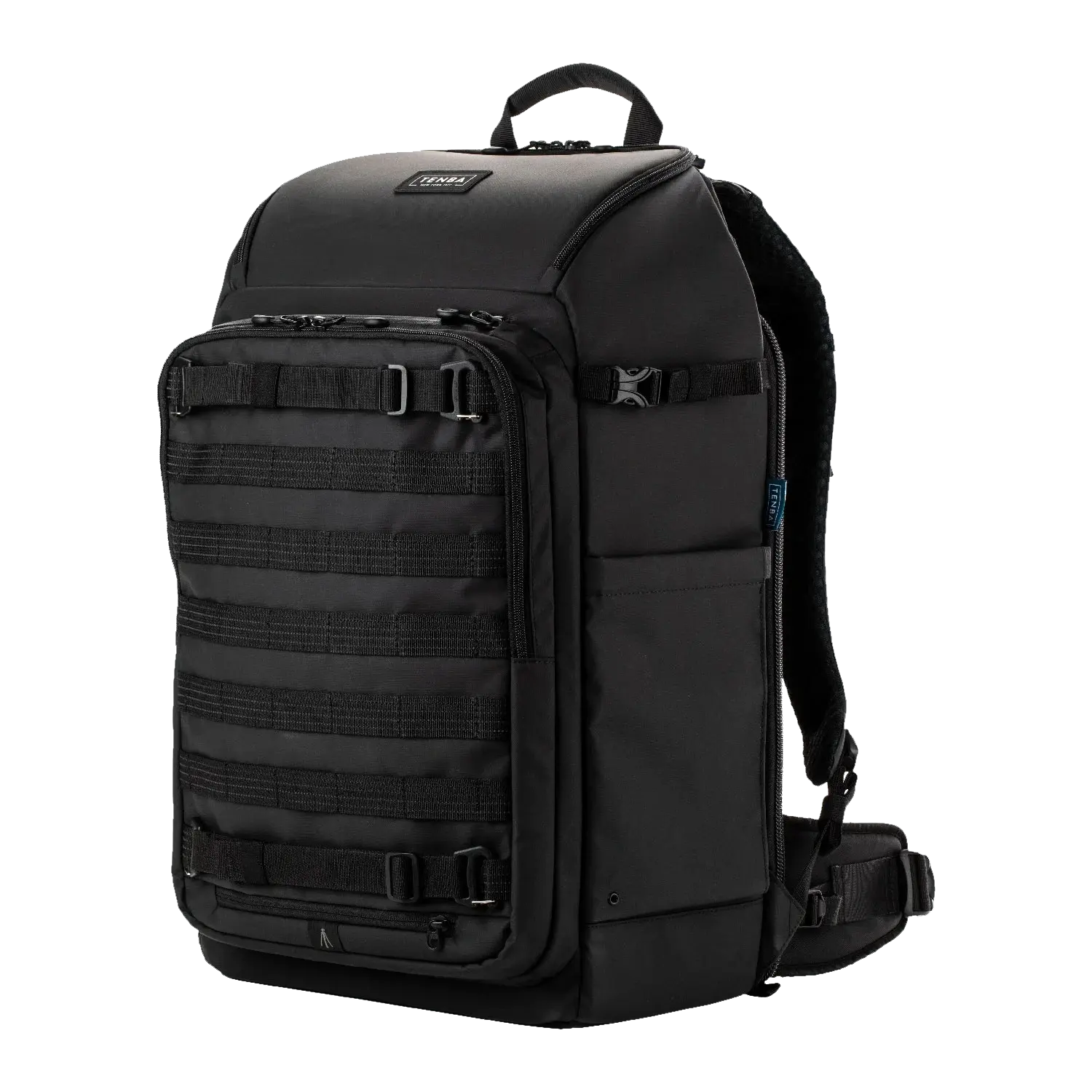
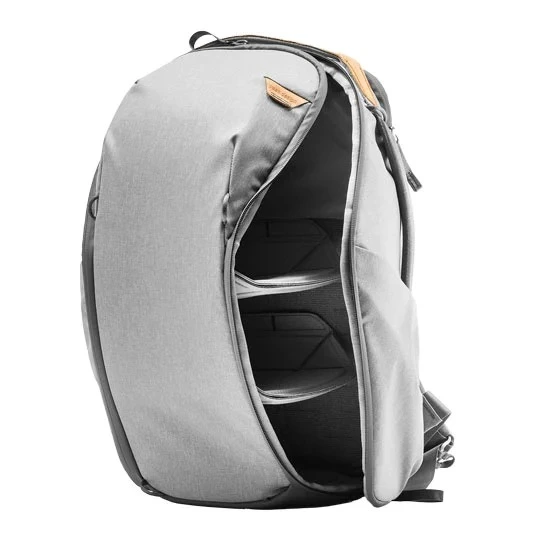
Backpacks are the versatile workhorse for creatives that need to bring all their gear. Designed to fit cameras, multiple lenses, drones, audio kit, laptop, and personal items. Perfect for travelling with even weight distribution, comfortable straps and harnesses for long days on the move, some designs offer rear or side access for speedy access, internal dividers, tripod mounts for easy access to your gear.
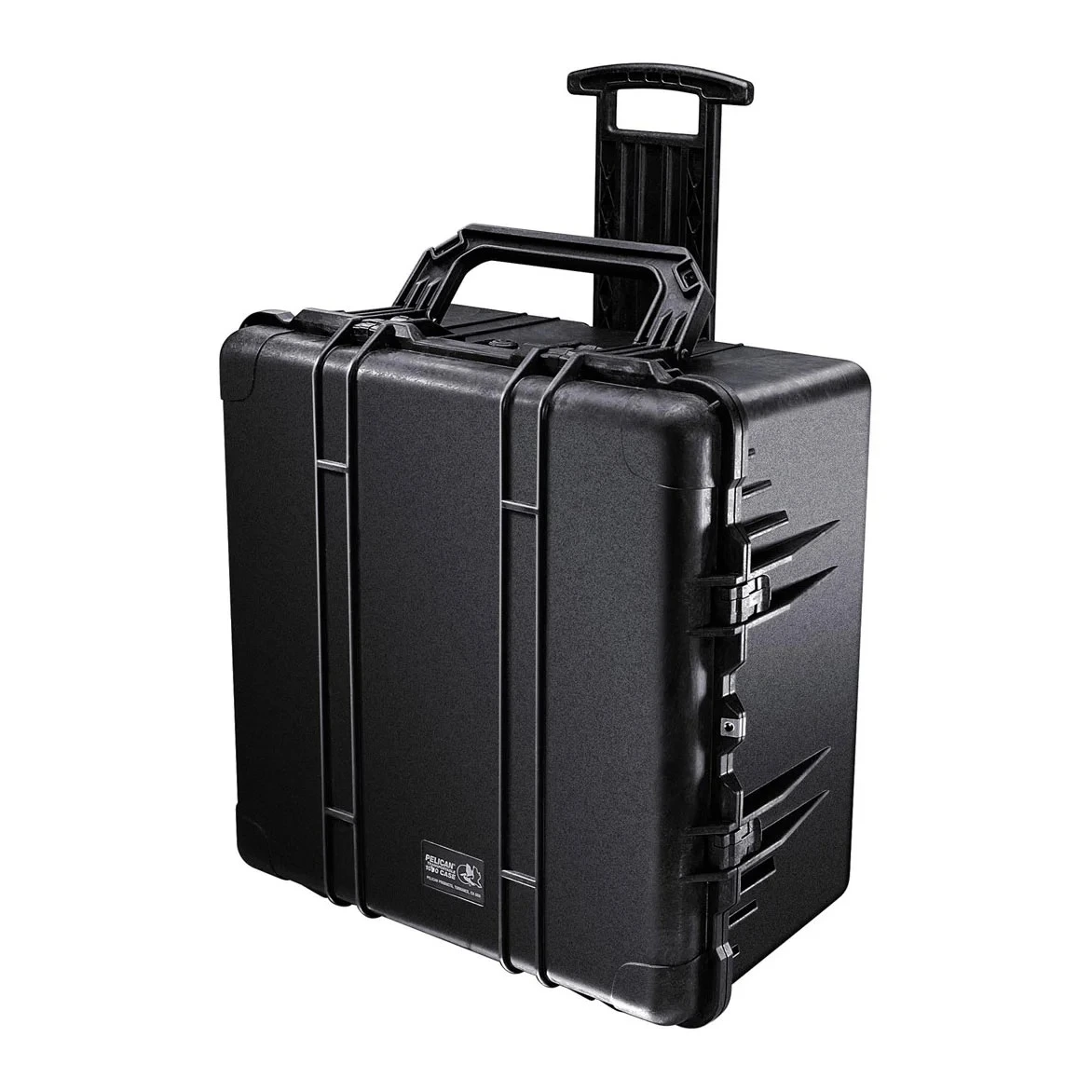
Rollers & Hard Cases
Hard Cases & Rollers are the go-to for cinema rigs, lighting kits, and heavier gear that you need when travelling through airports or when your gear needs to be checked, shipped or transported. Look for crushproof shells, waterproof seals, pressure valves, and configurable interiors. Ideal for studios, rental houses, and DITs that want rugged storage and repeatable packing layouts for kits.
What camera bag do I need?
| Use case / customer type | Recommended bag type | Key features to prioritise |
|---|---|---|
| Street / everyday photographer | Sling or small messenger | Quick access, discreet styling, space for essentials |
| Travel & landscape photographer | Weather‑resistant backpack | Comfortable harness, tripod mount, laptop sleeve |
| Wedding & event photographer | Shoulder bag + backpack or roller | Fast access, dual‑body capacity, backup storage |
| Corporate / hybrid video creator | Hybrid photo/video backpack | Gimbal space, audio compartments, laptop and tablet space |
| Cinema / broadcast production | Hard cases + on‑set backpack/roller | Crushproof, waterproof, custom dividers, stackable design |
Ready to Buy?
Browse our selection of camera bags and cases to find the perfect fit for your setup.
Frequently Asked Questions FAQ
Here are some common questions and answers to help you find the information you need.
Start by laying out your largest typical kit - camera body, lenses, flash or mic, laptop and accessories - then choose a bag that fits this load with a little extra room for future lenses or accessories. If you regularly travel light as well as heavy, consider a smaller day bag plus a larger backpack or case.
Backpacks are generally more comfortable for longer walks or heavier kits because they spread the weight across both shoulders. Shoulder and messenger bags provide faster access to your camera and lenses but put more strain on one side, so they are best for lighter loads or shorter shoots.
Hard cases are recommended when you fly frequently, check in gear, ship equipment or work in harsh environments where crush, dust and water protection are critical. Soft bags are lighter and easier to carry for day‑to‑day shooting, but they do not offer the same level of impact resistance.
Frequent travellers should prioritise carry‑on‑compatible dimensions, rear or side access for security, padded laptop and tablet sleeves, lockable zips and weather‑resistant materials. A comfortable harness and waist belt make a big difference when walking between locations or through airports.
If you shoot both video and stills, a hybrid bag with flexible dividers and separate zones for cameras, gimbals, audio gear and personal items will make your workflow smoother. This is especially useful for YouTubers and social creators who carry a lot of small accessories.
Scan can recommend bags and cases that match your camera, lenses and accessories, whether you are building your first mirrorless kit, upgrading to a full wedding setup or protecting a cinema camera package. The team can also advise on combining backpacks, rollers and hard cases to cover travel, on‑set work and long‑term storage.