SIGGRAPH is officially billed as “The Premier Conference & Exhibition on Computer Graphics and Interactive Techniques” and is held every summer in North America. Here are our cherry-picked highlights from our key strategic partner NVIDIA at this year's show in Los Angeles.
MCP Adds AI Agents to Creative Applications
For the last few years, NVIDIA Omniverse has enabled creative applications to integrate with one another using the USD connector, speeding up workflows. This summer, the emergence of a new connector, MCP, enables natural-language-controlled AI agents to integrate with creative applications.
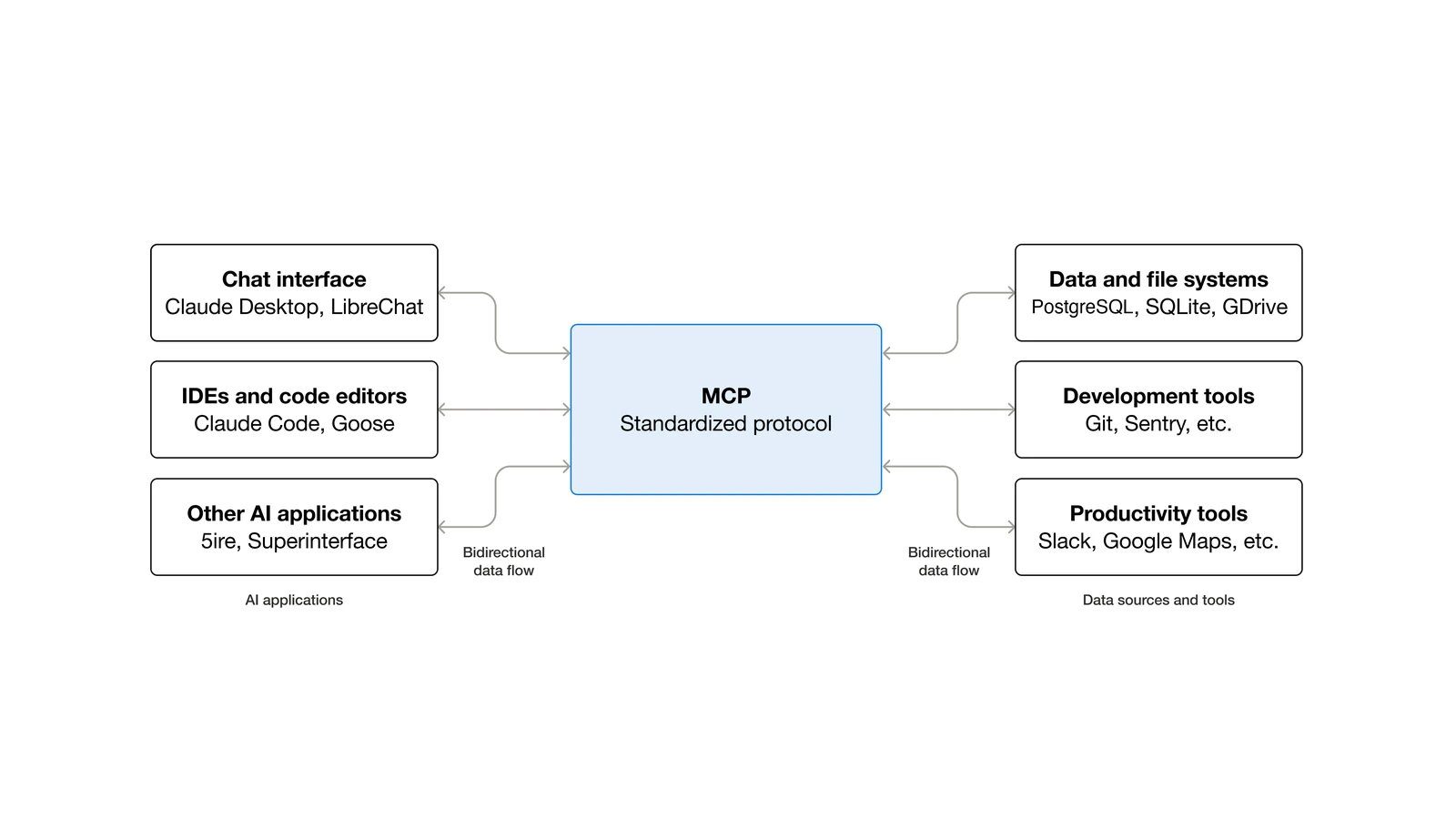
MCP, or Model Context Protocol to give its full name, is an open-source connector that operates in a similar way to USD, bridging the gap between AI agents and creative applications. Leading ISVs such as Adobe, Blender and Unreal have co-announced support for MCP, powered by underlying NVIDIA hardware such as RTX PRO servers, DGX Spark and DGX Station.
For instance, in Unreal Engine, the MCP plugin connects the LLM of your choice to your projects. This enables you to use natural language to build assets and systems, perform tests and complete optimisation tasks, as demonstrated in the video below.
Contact our Visualisation team to discuss how to deploy MCP within your creative workflows.
Synthetic Video Detector
For news outlets, AI-generated video is a real problem when it comes to verifying the accuracy of stories. It is therefore interesting to see NVIDIA, one of the companies at the core of the AI revolution coming up with a tool to detect fake videos. The appropriately named Synthetic Video Detector uses AI to detect synthetic content, analysing each frame for telltale signs that the video is AI-generated.

In NVIDIA testing, the model's accuracy reached up to 92% on uncompressed video, 87% at 15% compression and 82% at 50% compression. Try a demo of Synthetic Video Detector for yourself, and get in touch with our Visualisation team to discuss how to deploy it within your editorial workflow.
DGX Station Clusters
NVIDIA also announced the ability to connect two DGX Station workstations together for even faster processing. Like DGX Spark clusters, this works over a peer-to-peer connection, so it does not require a network switch. All you need are a pair of ConnectX-8 cables and a separate control host running Linux, macOS or Windows via a command prompt, using ssh and tar.
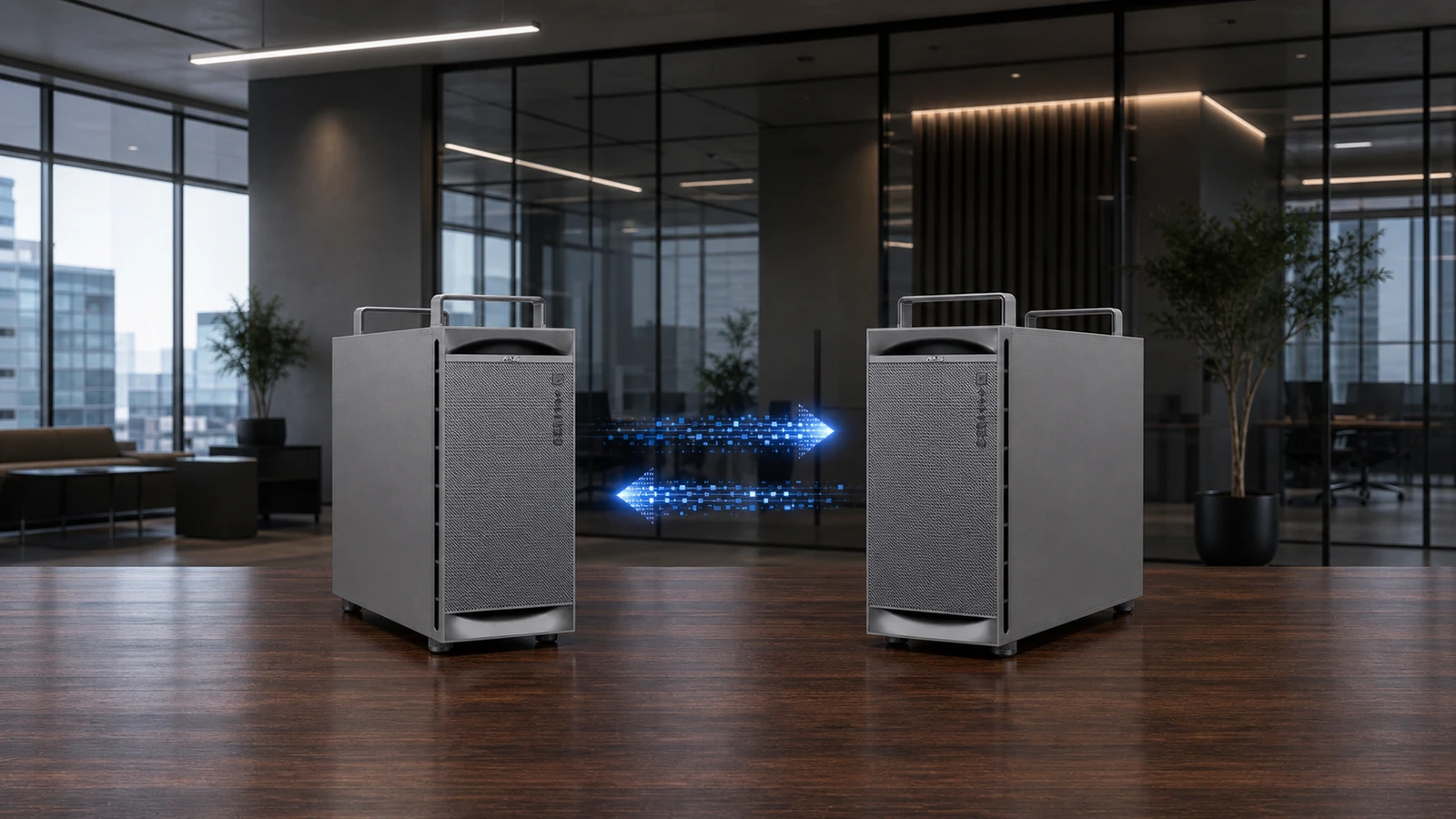
Given that DGX Station is already one of the fastest desktop systems for AI workloads, delivering up to 20 PetaFLOPS performance, two systems running together in a cluster will be incredibly powerful for distributed workloads such as NCCL, Ray and vLLM.
Contact our AI team to discuss how to configure DGX Station clusters for your AI workloads.