Why audio equipment matters in video production

Viewers will forgive imperfect visuals, but they quickly abandon videos with thin, noisy or distorted audio. Good talkback and intercom systems keep crews coordinated, while well-chosen microphones and recorders capture clear dialogue, ambience and effects that make edits feel polished and professional. Matching your audio kit to your shooting style; interviews, drama, events, YouTube, corporate or broadcast – helps you record usable sound at the source instead of fixing problems in post.

Key Factors when choosing audio gear

Before picking specific mics or headsets, it helps to understand the main decision points.

  1. Shooting environment and distance
    Indoors with controlled acoustics, outdoors in wind, or noisy events all place different demands on microphones and wireless systems. Close‑mic’d speech is usually cleaner and more controllable than distant pickup, so many kits combine shotgun mics, lavaliers and handhelds to cover different distances.
  2. Mobility and crew size
    Solo creators need lightweight, simple systems with minimal setup, while larger crews benefit from multi‑channel wireless, full‑duplex talkback and dedicated recorders with more inputs. For live streaming, low‑latency monitoring and reliable comms between directors, camera ops and sound are critical.
  3. Connectivity and workflow
    Decide whether audio will go directly into camera, via a mixer/interface, or into an external recorder for dual‑system sound. Balanced XLR connections, locking mini‑jacks, timecode sync and USB‑C or Thunderbolt interfaces all influence how easily audio integrates with your existing cameras and workstations.

Talkback headsets and intercom systems

Talkback and intercom keep crews in sync, especially on multi‑camera shoots, live streams and studio productions.

What talkback systems do

Full‑duplex intercom headsets allow directors, vision mixers, camera operators and floor managers to speak and listen simultaneously, maintaining continuous communication without walkie‑talkie style push‑to‑talk. Modern systems often use DECT or other digital wireless technologies to provide clear, low‑latency communication across studios, OB trucks and event venues.

  • Full‑duplex vs half‑duplex - Full‑duplex systems enable natural, overlapping conversation, ideal for fast‑paced TV and live streaming; half‑duplex behaves more like a traditional radio where one person speaks at a time.
  • Range and reliability - Check the advertised line‑of‑sight range and how systems cope with interference in crowded RF environments such as exhibitions and arenas. Diversity antennas and robust RF design improve reliability.
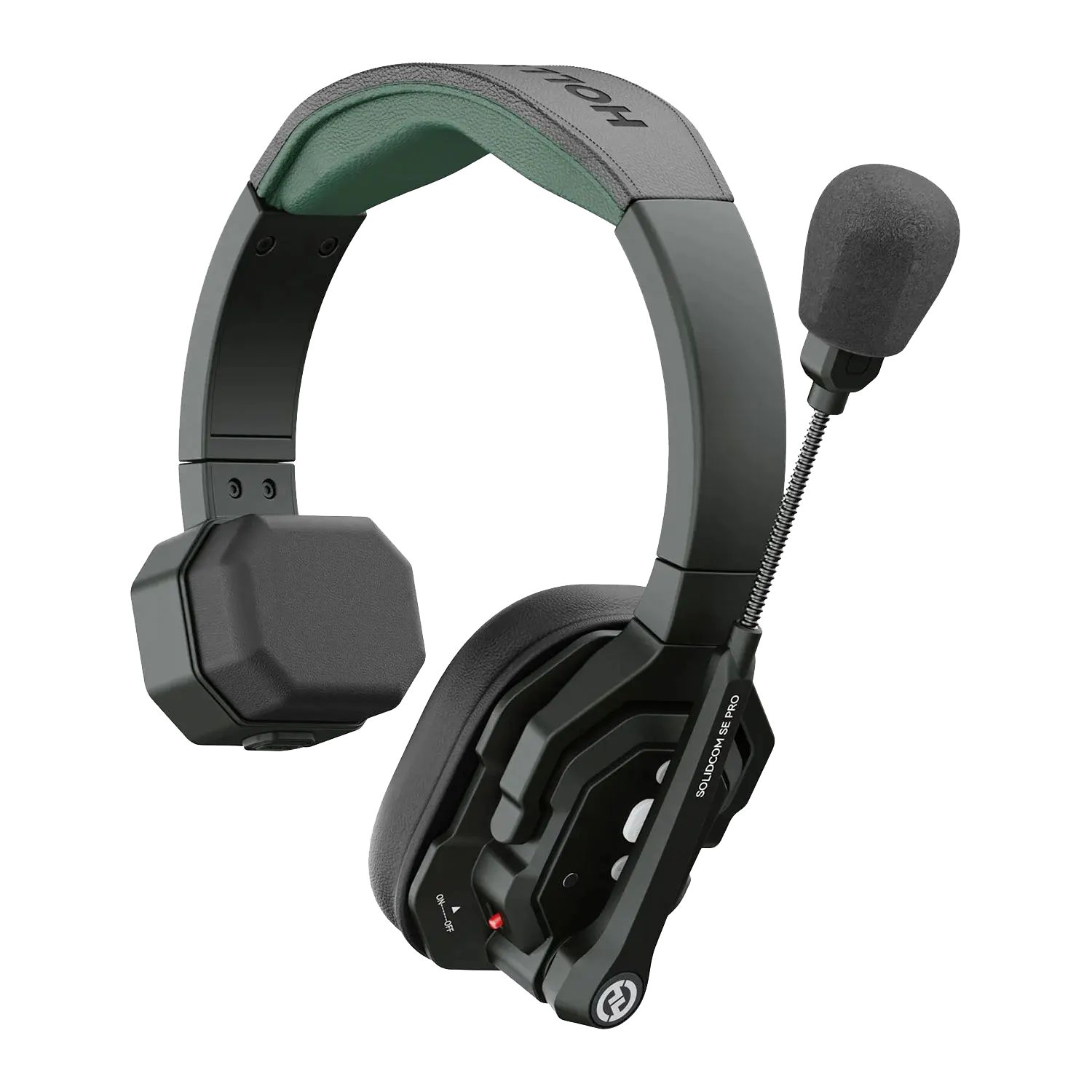
  • Comfort and configuration - Lightweight, single‑ear headsets are popular for production work because they keep one ear open to the room while still providing clear talkback. Options for master and remote headsets, plus belt‑pack or belt‑less configurations, help match different crew sizes and setups.
DIT monitors

Shotgun microphones for cameras and boom

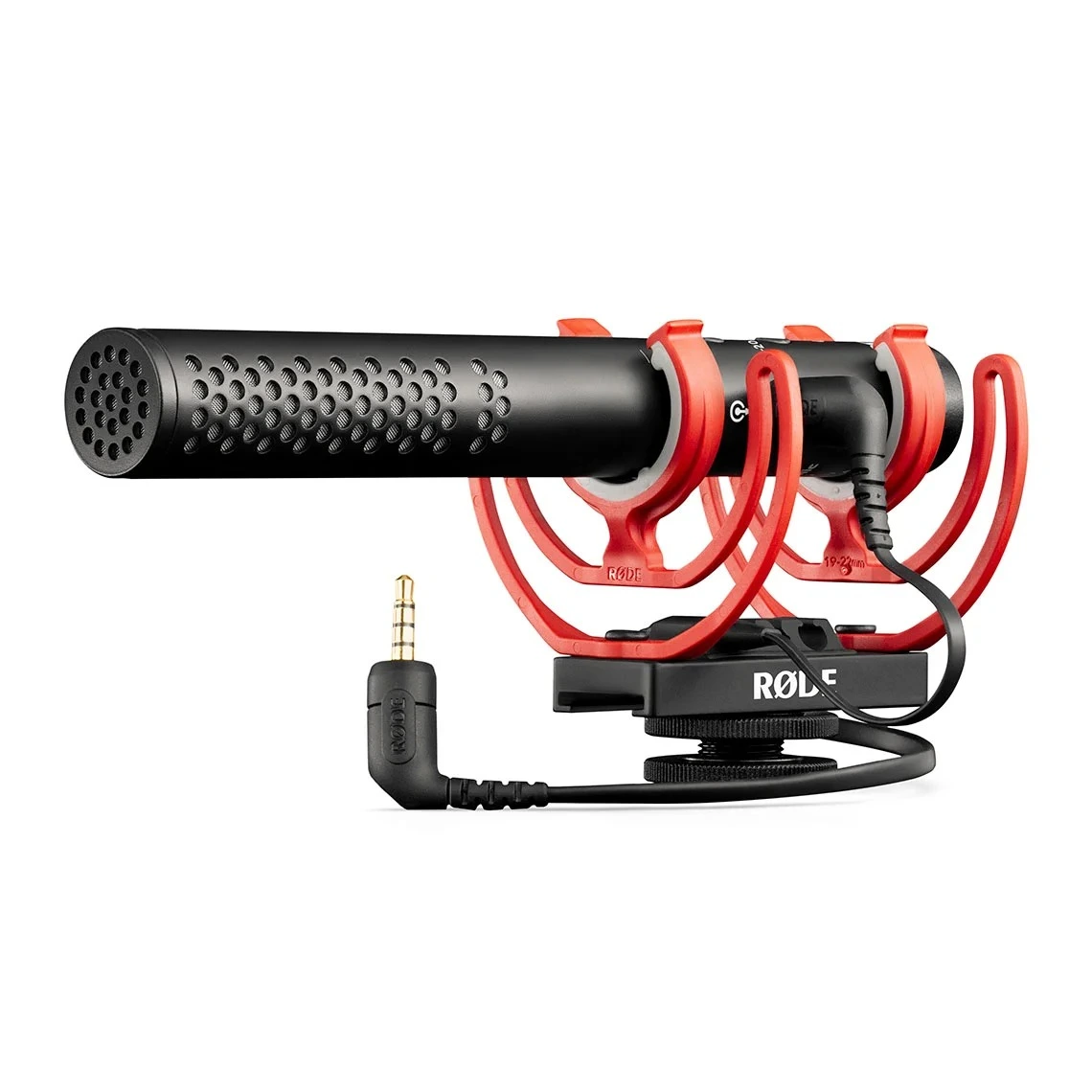
Shotgun microphones are the go‑to for capturing directional dialogue and effects, either mounted on‑camera for run‑and‑gun work or on a boom for drama and interviews.

Why shotgun mics are useful

Shotgun mics use a highly directional pickup pattern to focus on sound in front of the mic while rejecting noise from the sides and rear. This makes them ideal for interviews, B‑roll, and documentary work where you want to isolate speech from background noise without placing a mic on the subject.

  • Pickup pattern and length - Short shotguns work well on‑camera or in tight interiors; longer models provide stronger directivity for outdoor or longer‑distance work but may be harder to manage indoors.
  • Mounting and shock isolation - Look for shock mounts and suspension systems that minimise handling noise, plus suitable wind protection (foam, softies, blimps) for outdoor locations.
  • Connectivity - Decide between camera‑powered mini‑jack mics for compact rigs or XLR shotguns requiring phantom power for professional cinema cameras and recorders.
Colourist control panels

Wireless microphone systems (lavalier and handheld)

Wireless mic kits are essential for presenters, interviews, weddings and any scenario where cables would restrict movement.

Types of wireless systems

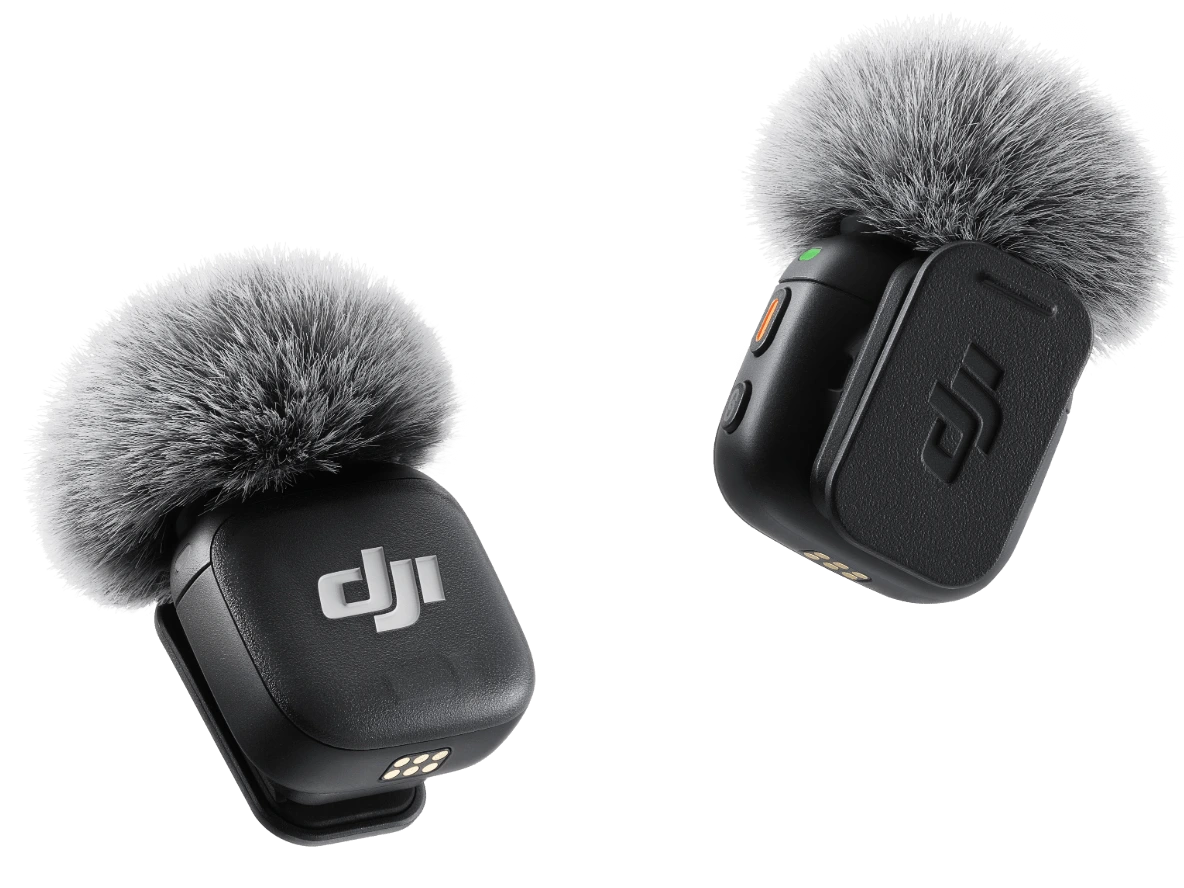
  • Clip‑on TX systems for creators - Compact systems with transmitters that double as clip‑on mics or accept lavaliers , like the DJI Mic and RODE Wireless Go series, are popular with YouTubers and solo shooters because they are quick to mount, charge and pair.
  • Traditional belt‑pack and handheld systems - These use small bodypacks with lavaliers or handheld mics, making them suitable for corporate events, churches and more formal production environments. Larger multi‑channel receivers can sit on cameras, in racks or on mixers.
  • Comfort and configuration - Lightweight, single‑ear headsets are popular for production work because they keep one ear open to the room while still providing clear talkback. Options for master and remote headsets, plus belt‑pack or belt‑less configurations, help match different crew sizes and setups.

Features that matter

  • Range and stability - Check maximum range and note whether it is quoted line‑of‑sight; real‑world performance will be lower in crowded RF spaces. Systems with good interference management and automatic frequency selection reduce dropouts.
  • Audio quality and noise handling - Modern systems often include low‑noise preamps, 24‑bit or 32‑bit float recording and built‑in noise reduction, which help maintain clean dialogue even in unpredictable environments.
  • Onboard recording and redundancy - Some transmitters can record internally, providing a backup if radio links fail – crucial for weddings and live events where takes cannot be repeated
DIT monitors

Audio recorders and mixers for video

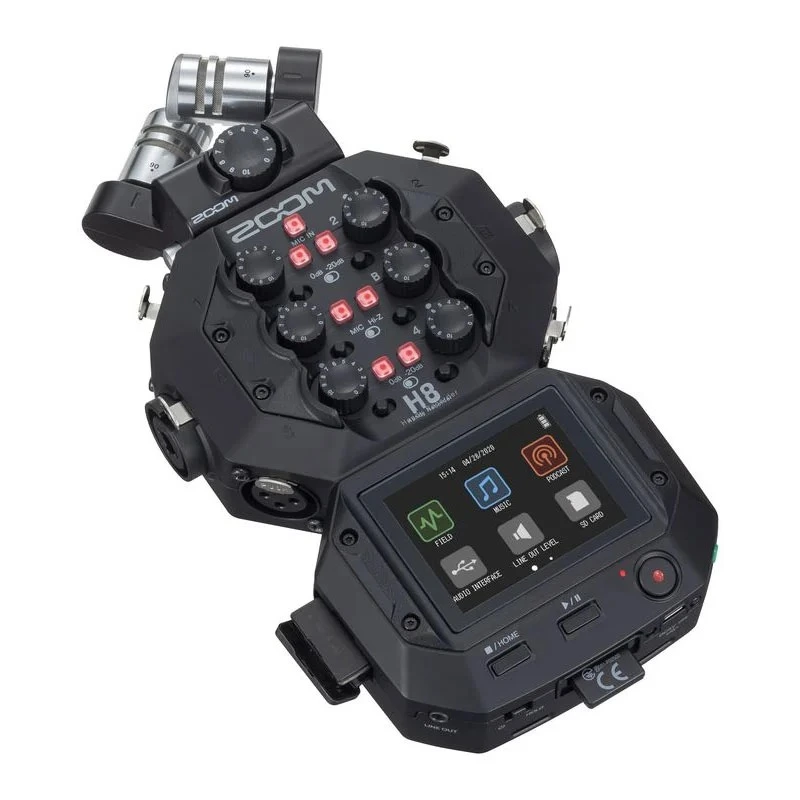
External recorders and mixers give you better preamps, more inputs and flexible routing that many cameras cannot match.

Why use an external recorder

Dual-system sound means recording audio on a separate device while sending a reference track to the camera. This approach gives you better audio quality and more options when editing. Dedicated recorders usually have better meters, limiters, safety tracks, and more reliable power for long shoots than cameras do.

Key features to consider

  • Input count and types - Choose a recorder with enough XLR/TRS inputs for your typical maximum mic count (e.g. two for interviews, four or more for panels), plus line‑level inputs for mixer or desk feeds.
  • Preamps, limiters and safety tracks - High‑quality, low‑noise preamps and analogue or digital limiters help protect against clipping. Safety tracks recorded at lower gain provide insurance when working with unpredictable subjects.
  • Timecode and sync - For multi‑camera shoots, recorders with built‑in timecode generators or timecode input make syncing in post easier and more accurate.
Colourist control panels

What gear do you need?

Use case / customer type Core audio tools Key priorities
Solo creator / vlogger Compact wireless kit, on‑camera shotgun, headphones Simplicity, portability, clean dialogue
Wedding / event videographer Dual wireless lavs, shotgun, 2–4 channel recorder Redundancy, reliability, fast setup
Corporate / documentary crew Shotgun on boom, multiple lavs, 4–8 channel recorder Flexibility, timecode, quality preamps
Live stream / multi‑camera studio Talkback headsets, mixers, wireless mics, IFB monitoring Low latency, clear comms, stable RF

Frequently Asked Questions FAQ

Here are some common questions and answers to help you find the information you need.

Built‑in camera mics pick up a lot of background noise and handling sounds, and they are usually too far from the subject. Dedicated mics and recorders let you capture clean, focused audio that matches the professional look of modern cameras.

Shotgun mics are ideal when you can place a boom close above the subject or want camera‑mounted simplicity, while lavaliers are better when you need consistent voice pickup as talent moves or you cannot get a mic in close from off‑camera. Many professionals use both together for redundancy.

A single‑channel system can work for solo presenters, but dual‑channel kits are more flexible for interviews and two‑person setups. Larger productions with multiple contributors or panel shows may require multi‑channel receivers and careful frequency planning.

Recording directly to camera is simpler and fine for basic shoots, but an external recorder usually offers better sound quality, preamps and limiters, plus more inputs and safety tracks. Dual‑system sound also protects you if camera audio settings are wrong.

Small studios and live streams often benefit from self‑contained wireless headset systems that provide full‑duplex communication without belt packs, while larger OB and TV workflows may integrate headsets into more complex matrix or base‑station intercoms. Choose based on crew size, distance and existing infrastructure.