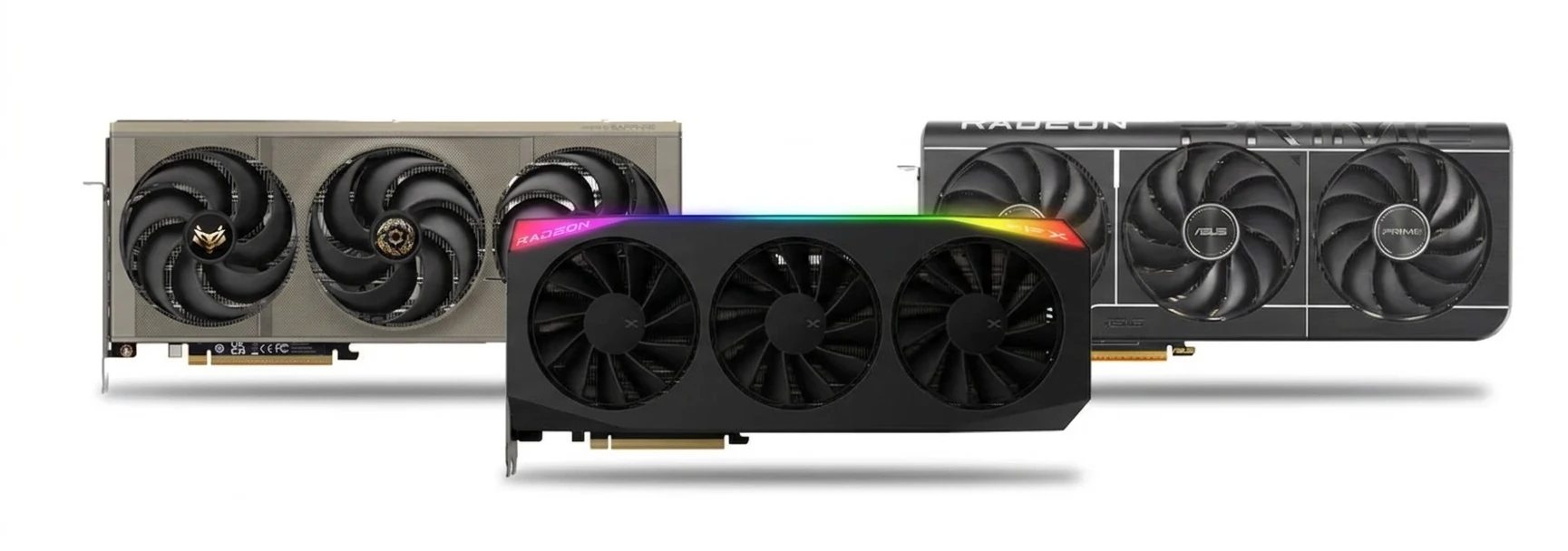
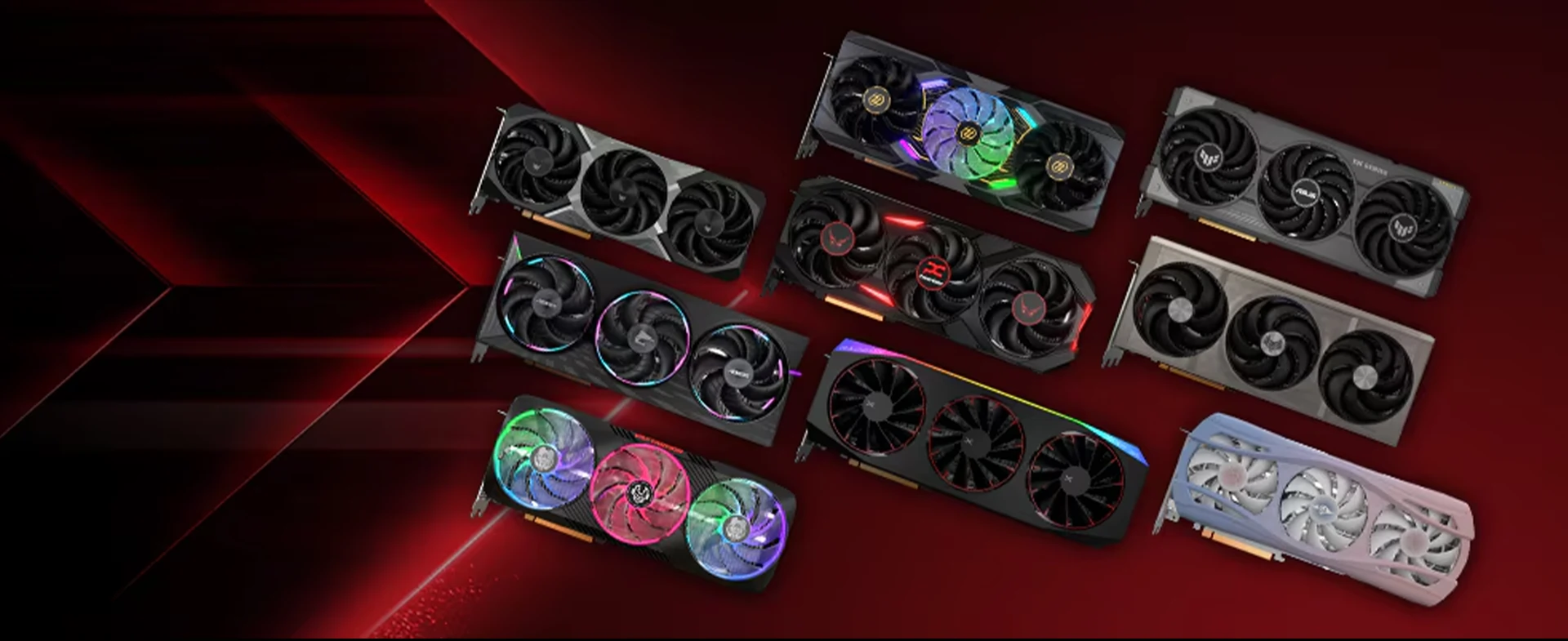
Though most CPUs are equipped with integrated graphics, these are only really suitable for gaming at low quality settings at 1080p. Therefore, you need to buy a discrete graphics card if you want to play GAMES or edit videos. This guide will teach you everything you need to know to pick the perfect AMD graphics card.
What makes a good graphics card?
The GPU (Graphics Processing Unit) is the main ingredient of a graphics card, the most important component in a gaming PC. A key supplier in graphics cards is AMD, and its range of Radeon GPUs offer something at every imaginable price point. The key specs to look out for when choosing a Radeon graphics card are the number of stream processors, ray accelerators, AI accelerators and amount of memory, with more powerful cards having more of all four.
A more powerful graphics card will enable your PC to run games at higher quality settings at a smooth frame rate for a superior gaming experience. The first question you should therefore ask yourself is what monitor do you have or intend to buy so you can choose a graphics card suitable for it. To make this process easier this buyers guide recommends the optimum monitor resolution for each graphics card.
AMD Radeon RX Special Features
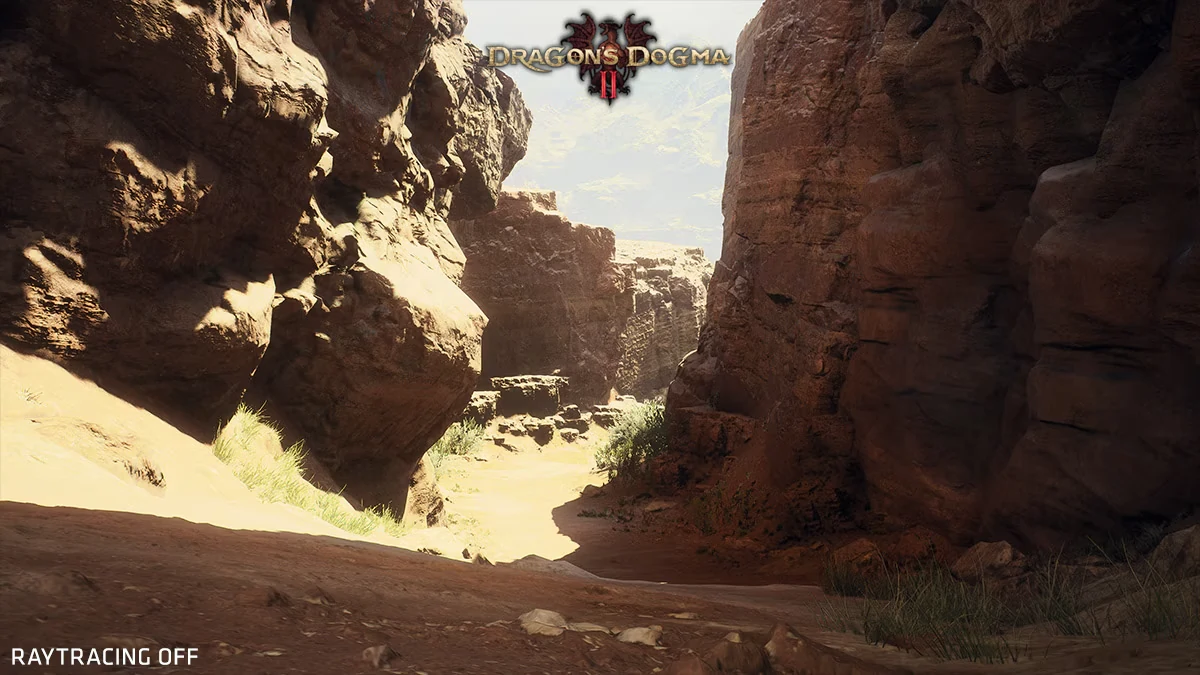
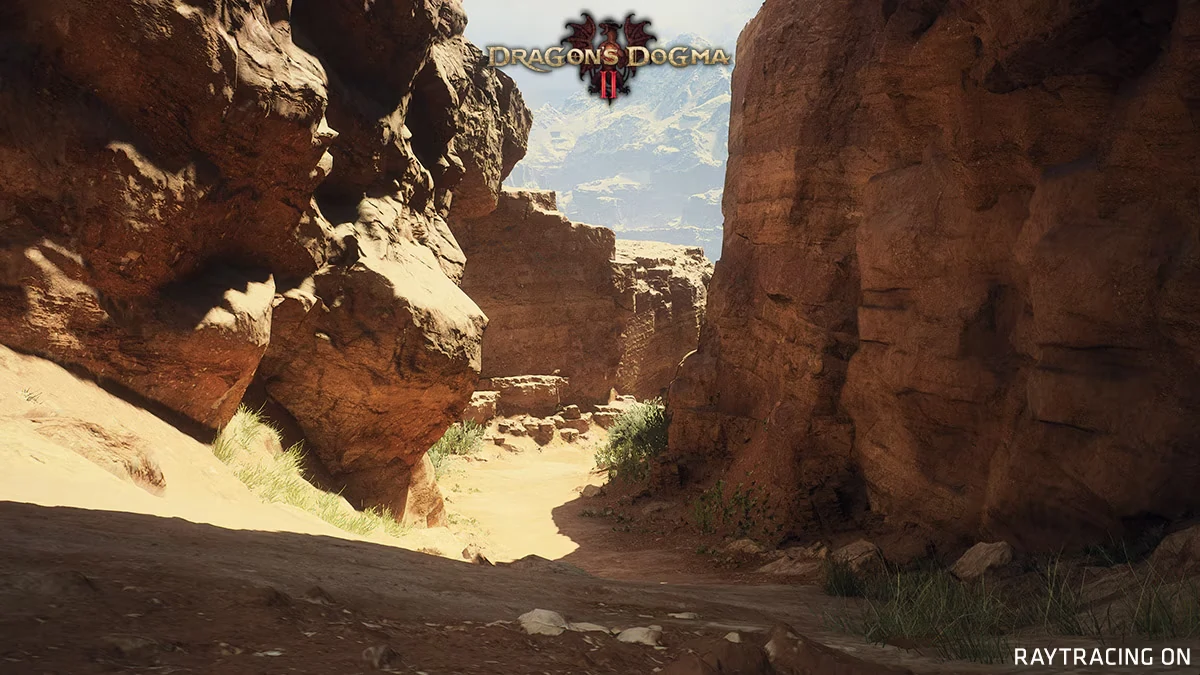
Ray Tracing
The ray accelerators enable real time ray traced graphics in games. Unlike traditional rasterised graphics, ray tracing simulates how light beams and shadows actually work, providing far more rich and realistic graphics.
drag_handle
FidelityFX Super Resolution
FidelityFX Super Resolution is an advanced upscaling technology that increases the frame rate in games. It enables you to ramp up the resolution to enjoy higher quality graphics, without sacrificing performance.
play_circle
Adrenalin Edition
Adrenalin Edition is a collection of tools that enhance your gaming experience, including performance optimisation, system monitoring and streaming.
play_circle
Noise Suppression
Noise Suppression technology provides extra clarity when streaming or in a meeting, removing unwanted background noise.
play_circle
The Radeon RX Hierarchy
Relative Performance
RX 9070 XTHigh End
RX 9070High End
RX 9070 GREMid-High
RX 9060 XTMid Range
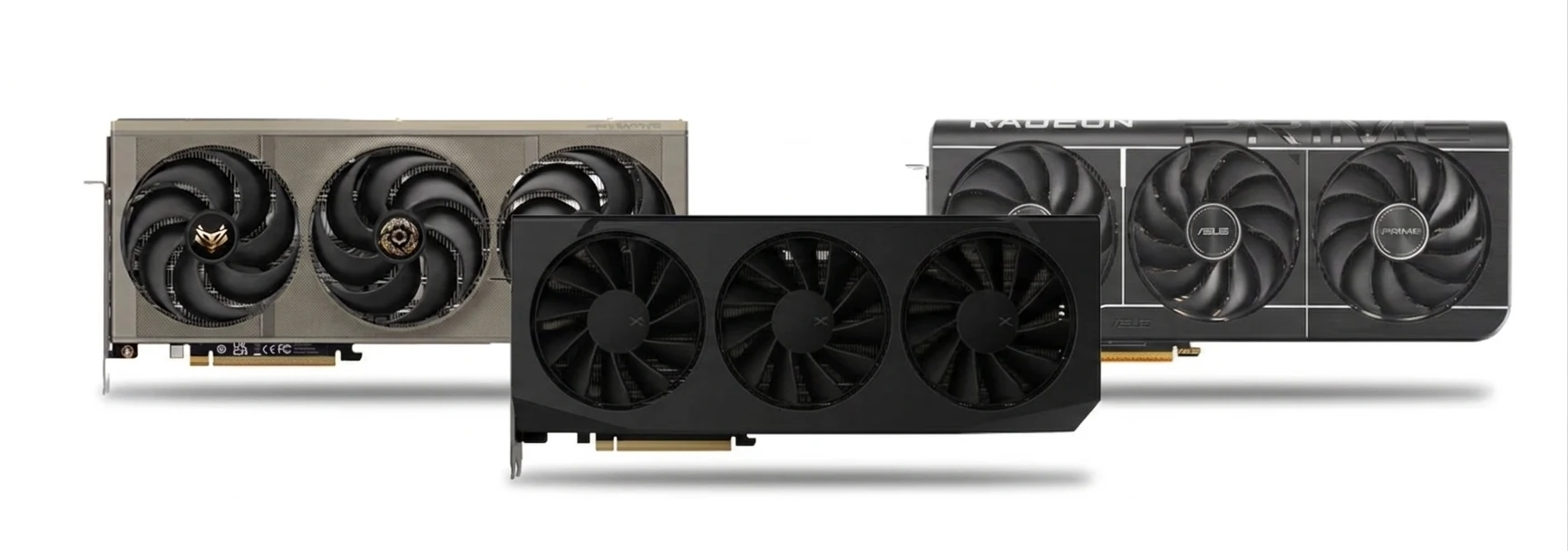
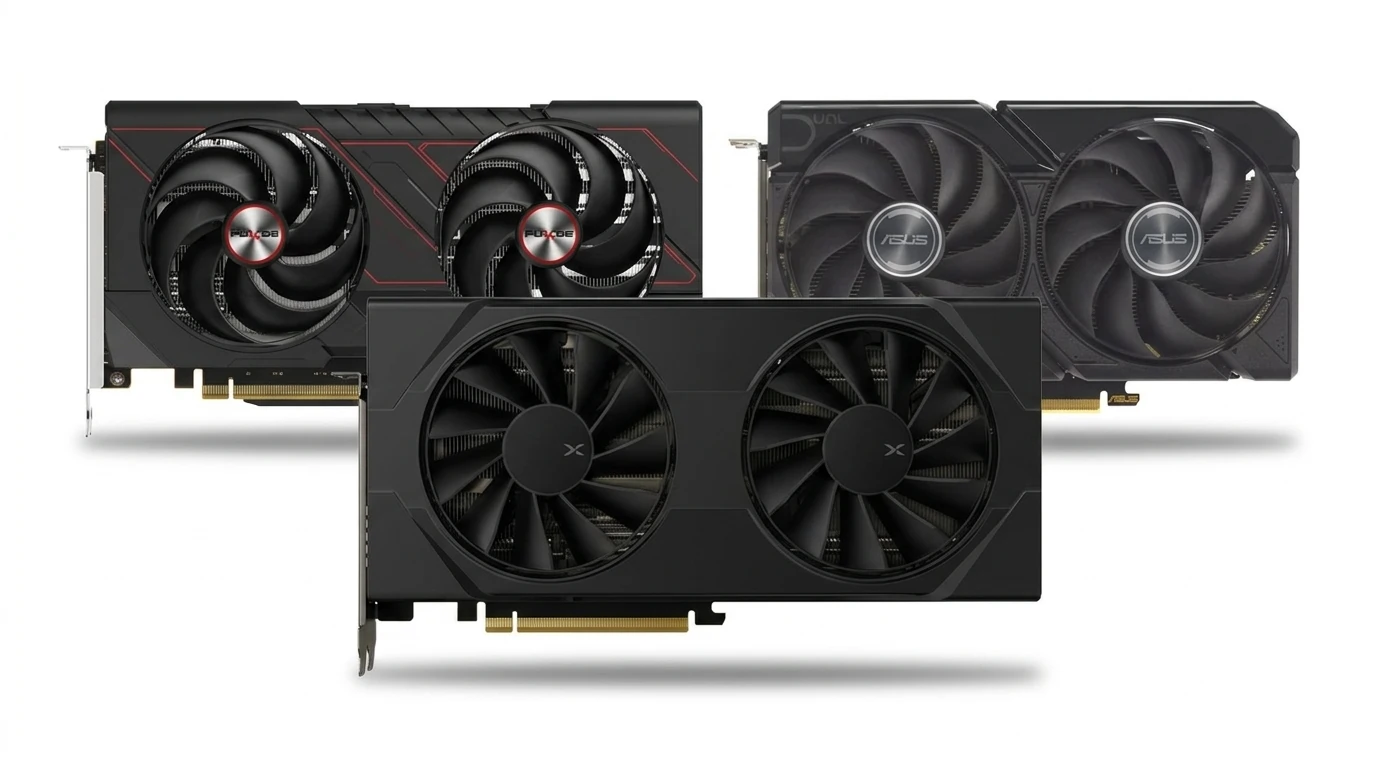
Before we dive into the specs it's worth noting that graphics cards powered by AMD GPUs are manufactured by dozens of different brands making hundreds of different models. Key brands available at Scan include Asus, Sapphire and XFX.
RX 9070 XT
The RX 9070 XT is the most powerful Radeon RX 9000-series gaming graphics card based on the new RDNA 4 architecture. This ultra-fast graphics card packs in 4,096 stream processors, 128 AI accelerators and 64 ray accelerators, plus 16GB of memory, providing stunning gaming experiences at the most demanding resolutions, 4K and UW-QHD.
4K/UW-QHD
Optimum Resolution
48.7
Single Precision Compute Performance (TFLOPS)
48.7
Half Precision Performance (TFLOPS)
✔
VR Ready
RDNA 4
RX 9000-series GPUs are based on the RDNA 4 architecture with a highly flexible chipset design. Key improvements include an enhanced memory subsystem, scalar units, dynamic register allocation and increased clock speeds.
RAY TRACING
Third generation ray accelerators deliver double the real-time ray-tracing performance of the previous generation GPUs.
FSR 4
Fourth generation FSR not only upscales games to a higher resolution, it can generate entirely new frames, increasing perceived performance.
ACCELERATED AI
Second generation AI accelerators provide up to 8x faster performance over previous generation GPUs, and support for new FP8 formats.
The RX 9070 is the second most powerful Radeon RX 9000-series gaming graphics card based on the new RDNA 4 architecture. This ultra-fast graphics card packs in 3,584 stream processors, 112 AI accelerators and 56 ray accelerators, plus 16GB of memory, providing stunning gaming experiences at 1440p.
1440p
Optimum Resolution
36.1
Single Precision Compute Performance (TFLOPS)
36.1
Half Precision Performance (TFLOPS)
✔
VR Ready
RDNA 4
RX 9000-series GPUs are based on the RDNA 4 architecture with a highly flexible chipset design. Key improvements include an enhanced memory subsystem, scalar units, dynamic register allocation and increased clock speeds.
RAY TRACING
Third generation ray accelerators deliver double the real-time ray-tracing performance of the previous generation GPUs.
FSR 4
Fourth generation FSR not only upscales games to a higher resolution, it can generate entirely new frames, increasing perceived performance.
ACCELERATED AI
Second generation AI accelerators provide up to 8x faster performance over previous generation GPUs, and support for new FP8 formats.
The RX 9070 GRE is the third most powerful Radeon RX 9000-series gaming graphics card based on the new RDNA 4 architecture. This fast graphics card packs in 3,072 stream processors, 96 AI accelerators and 48 ray accelerators, plus 12GB of memory, providing stunning gaming experiences at 1440p.
1440p
Optimum Resolution
34.3
Single Precision Compute Performance (TFLOPS)
34.3
Half Precision Performance (TFLOPS)
✔
VR Ready
RDNA 4
RX 9000-series GPUs are based on the RDNA 4 architecture with a highly flexible chipset design. Key improvements include an enhanced memory subsystem, scalar units, dynamic register allocation and increased clock speeds.
RAY TRACING
Third generation ray accelerators deliver double the real-time ray-tracing performance of the previous generation GPUs.
FSR 4
Fourth generation FSR not only upscales games to a higher resolution, it can generate entirely new frames, increasing perceived performance.
ACCELERATED AI
Second generation AI accelerators provide up to 8x faster performance over previous generation GPUs, and support for new FP8 formats.
The RX 9060 XT is a mid-range Radeon RX 9000-series gaming graphics card based on the new RDNA 4 architecture. This fast graphics card packs in 2,048 stream processors, 64 AI accelerators and 32 ray accelerators, plus either 8 or 16GB of memory, providing stunning gaming experiences at 1080p.
1080p
Optimum Resolution
25.6
Single Precision Compute Performance (TFLOPS)
25.6
Half Precision Performance (TFLOPS)
✔
VR Ready
RDNA 4
RX 9000-series GPUs are based on the RDNA 4 architecture with a highly flexible chipset design. Key improvements include an enhanced memory subsystem, scalar units, dynamic register allocation and increased clock speeds.
RAY TRACING
Third generation ray accelerators deliver double the real-time ray-tracing performance of the previous generation GPUs.
FSR 4
Fourth generation FSR not only upscales games to a higher resolution, it can generate entirely new frames, increasing perceived performance.
ACCELERATED AI
Second generation AI accelerators provide up to 8x faster performance over previous generation GPUs, and support for new FP8 formats.
Here are some common questions and answers to help you find the information you need.
The graphics card is the most important component in a gaming or content creation PC as it's responsible for rendering games and applications. More powerful, and more expensive, graphics cards enable you to play and work at higher resolutions as well as producing higher frame rates, improving user experience.
Radeon is AMD's range of GPUs designed for gaming and streaming. Radeon graphics cards are manufactured by dozens of different brands making hundreds of different models. Key brands available at Scan include Asus, Sapphire and XFX.
AMD Radeon graphics cards are purpose built for gaming and are available in a wide range of specifications and price points. Read this guide to find out which is the right model for you.
A stream processor is the primary processor inside AMD Radeon GPUs responsible for rendering graphics and other tasks. Each GPU has thousands of stream processors working together in parallel; the more processors, the higher the performance. Some tasks are accelerated by specialist ray accelerators or AI accelerators, see the separate entry in this FAQ for further detail.
You can see how advanced a stream processor is by the name of the architecture, to name some recent examples RDNA 4 (2025), RDNA 3 (2022) and RDNA 2 (2020).
Ray accelerators work alongside the stream processors inside AMD Radeon GPUs to accelerate ray traced effects in games and applications. Unlike traditional rasterised graphics, ray tracing simulates how light beams and shadows actually work, providing far more rich and realistic graphics. The more ray accelerators, the faster the framerate when ray tracing is enabled.
You can see how advanced the ray accelerators are in a GPU by its generation, i.e. 3rd gen is more advanced than 2nd gen etc.
AI accelerators work alongside the stream processors inside AMD Radeon GPUs to accelerate AI workloads in games and applications. The more AI accelerators, the faster the AI performance will be.
You can see how advanced the AI accelerators are in a GPU by its generation, i.e. 2nd gen is more advanced than 1st gen etc.
FidelityFX Super Resolution is an advanced upscaling technology that increases the frame rate in games. It enables you to ramp up the resolution to enjoy higher quality graphics, without sacrificing performance.
Adrenalin Edition is a collection of tools that enhance your gaming experience, including performance optimisation, system monitoring and streaming.
Noise Suppression technology provides extra clarity when streaming or in a meeting, removing unwanted background noise.
HYPR-RX is a suite of tools to improve your gaming experience, such as an fps overlay, showing how fast games are running. It also includes profiles for games, automatically adjusting the image quality to best match the capabilities of your hardware.
A FLOP (Floating-Point Operation per Second) is a measure of how quickly GPUs calculate the complex floating-point maths behind complex calculations such as simulations and training AI models. The more FLOPS, the faster the performance.
Depending on the software, floating point calculations can be calculated to as great or little precision as required. This is commonly shortened to FPx where x is a number typically in the range of 4 to 64. See the separate entry in this FAQ for further detail.
Like other metrics in computer science such as KB, MB, GB and TB when it comes to RAM or storage, the number of FLOPS is commonly shortened to GFLOPS (giga, 10 to the power of 9), TFLOPS (tera, 10 to the power of 12) and PFLOPS (peta, 10 to the power of 15).
These are a shortened representation of how precisely a floating-point calculation is performed. The most common levels are in order of increasing precision: