












Unitree Logo
Dobot Logo

Robotics in Education Solutions | AI, Automation & Classroom Robotics

Robotics in Education Starts Here

Equip your students with real-world AI and automation skills - today, not just in theory.

Artificial Intelligence is reshaping industries at an unprecedented pace, but education is still catching up.

Graduates are entering the workforce with strong theoretical knowledge, yet many lack practical experience in automation, robotics, and real-world AI systems. Robotics bridges this gap. By introducing robotics into the curriculum, institutions can give students hands-on experience with the systems they will encounter in modern workplaces, from manufacturing and logistics to healthcare and research.

Explore Robotics Solutions for Education

Select a solution below to view more details.

Dobot logo

Scale from Classroom to Industry via a Single Platform

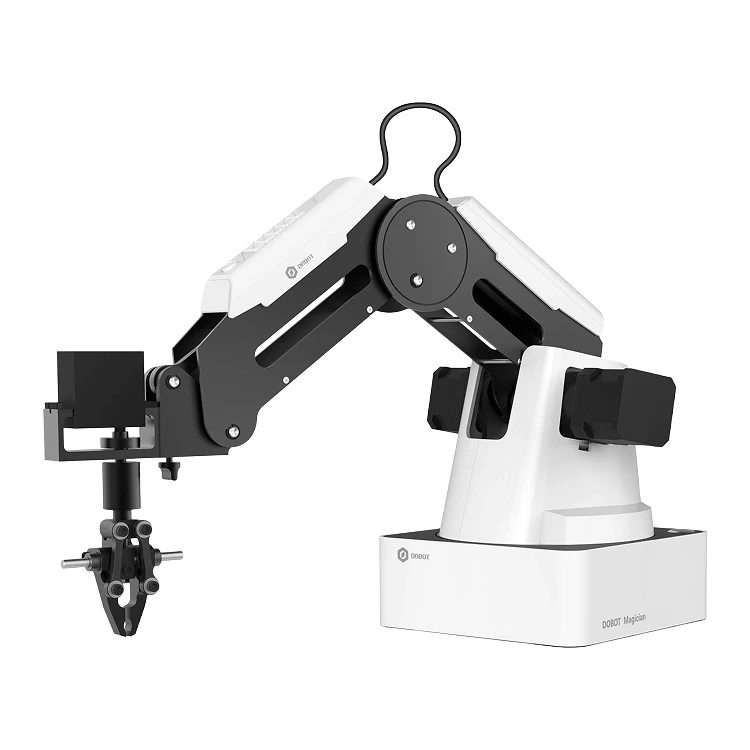
Dobot Magician robotic arm

Dobot Magician

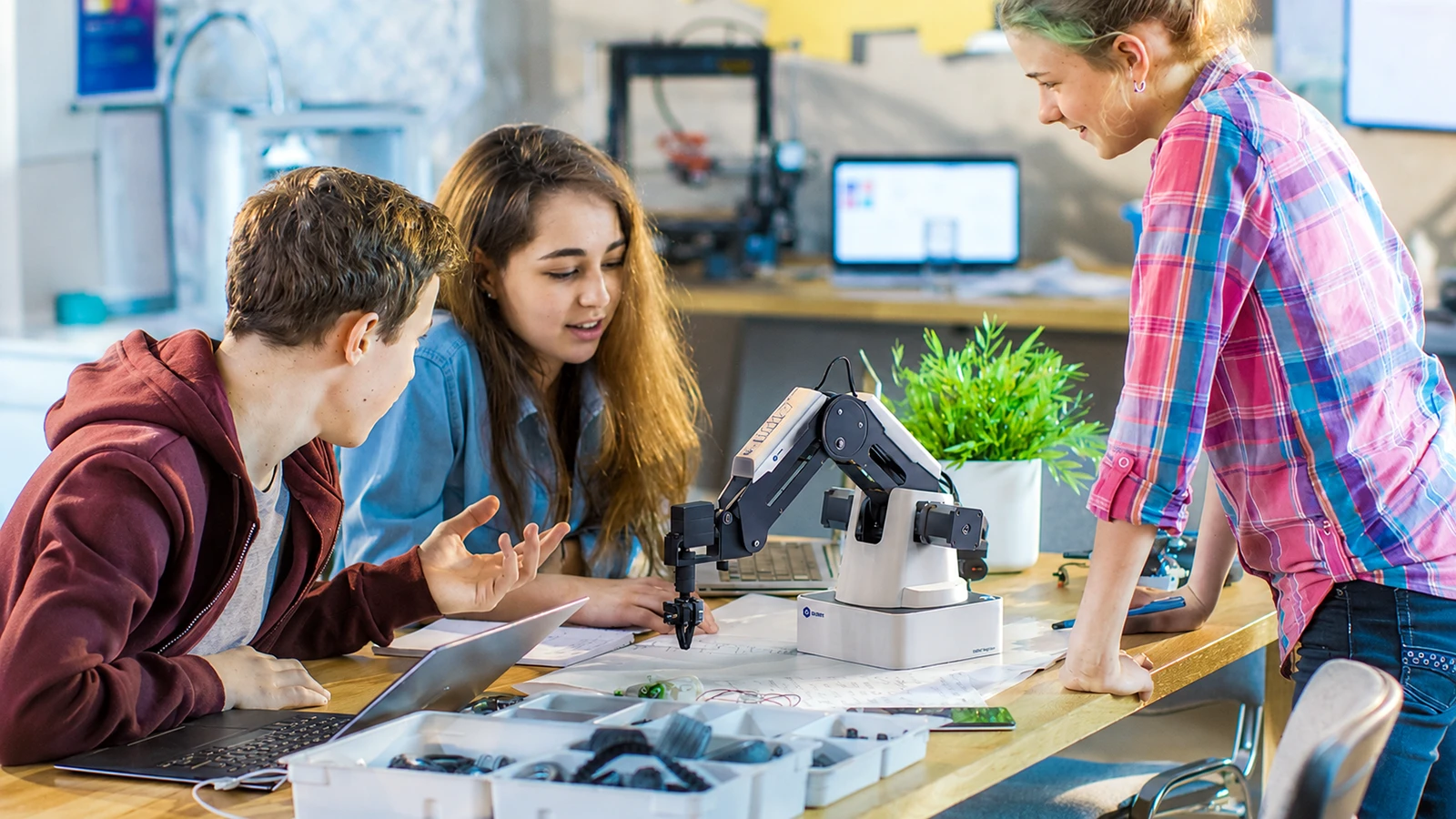
Dobot Magician is an affordable desktop solution that is ideal for early learning and projects. Small and affordable enough to be able to have 1 per student even in larger classrooms, it allows accelerated learning through the integrated software stack that can later be scaled up to larger models.

View Magician Series
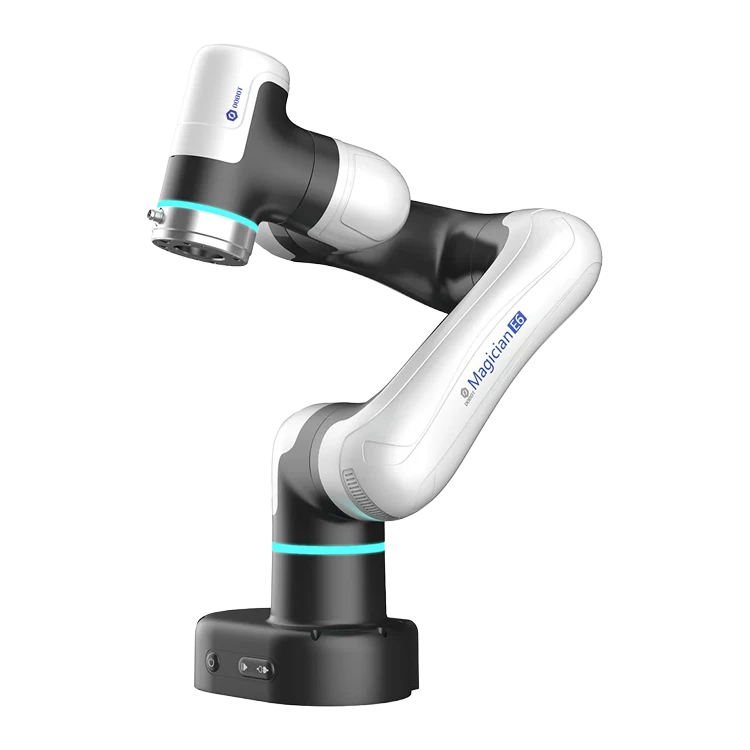
Dobot Magician E6 robotic arm

Magician E6

Magician E6 is a fully featured robotic arm that’s plug and play, but fully programmable and offers collision detection. The Dobot Studio Pro operating platform provides direct control and Blockly block programming, making it easy to use and supporting efficient Lua script programming. As standard it comes with the ES01 electric suction cup, but it can be specified with other options for maximum versatility.

View Magician Series
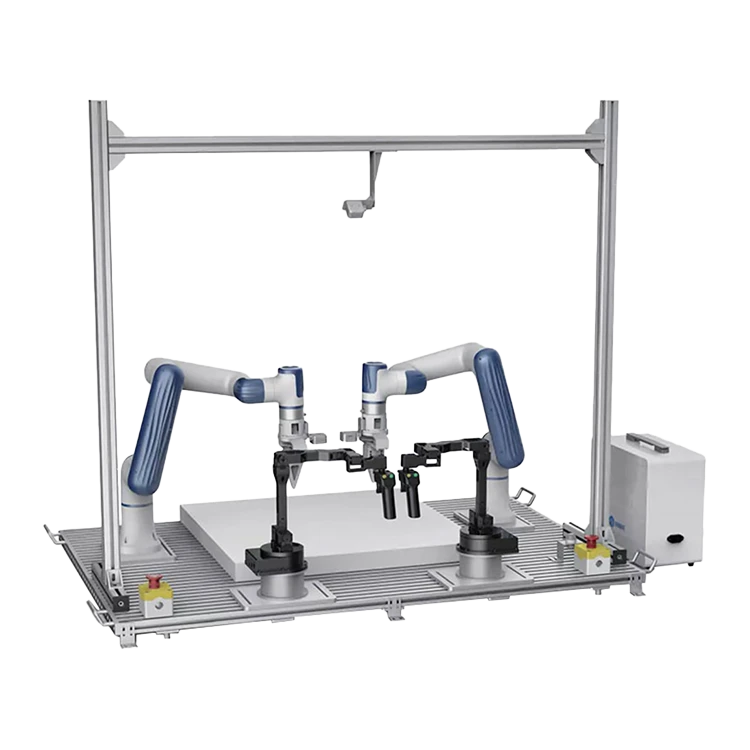
Dobot X-Trainer robotics system

DOBOT X-Trainer

DOBOT X-Trainer is an advanced AI data collection and training robotic system designed to enable AGI research and practical AI projects. With diverse data collection and model training capabilities, the X-Trainer allows for rapid skill acquisition and seamless execution of complex instructions, perfect for AGI scene simulation & research and practical projects & competitions.

View X-Trainer
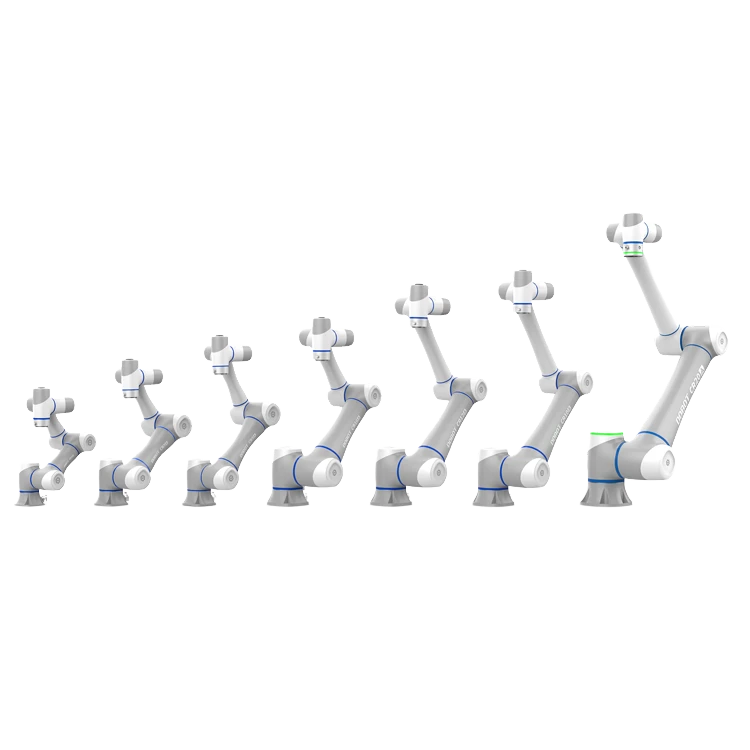
Dobot CRA Series robotic arm

CRA Series

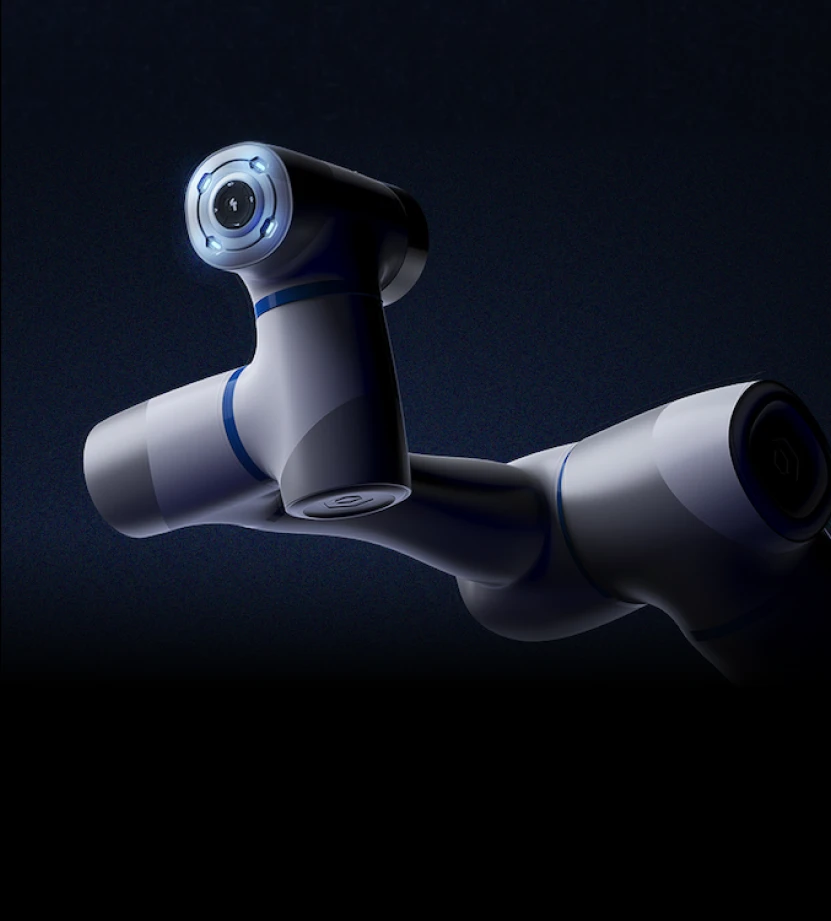
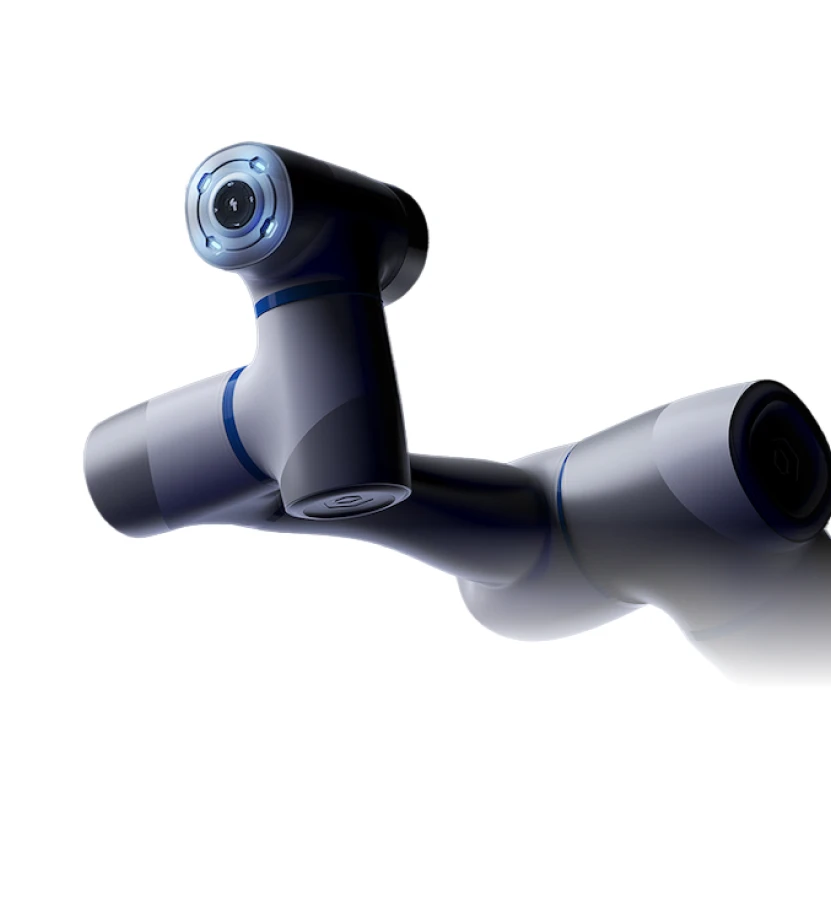
The CRA Series sets a new standard for collaborative robots. With faster movement and upgraded software, these cobots (collaborative robots) are more efficient, safer, and easier to work with. They’re ideal for businesses looking to speed up production without sacrificing quality or safety.

View Range
Unitree logo

Humanoid and Quadruped Platforms

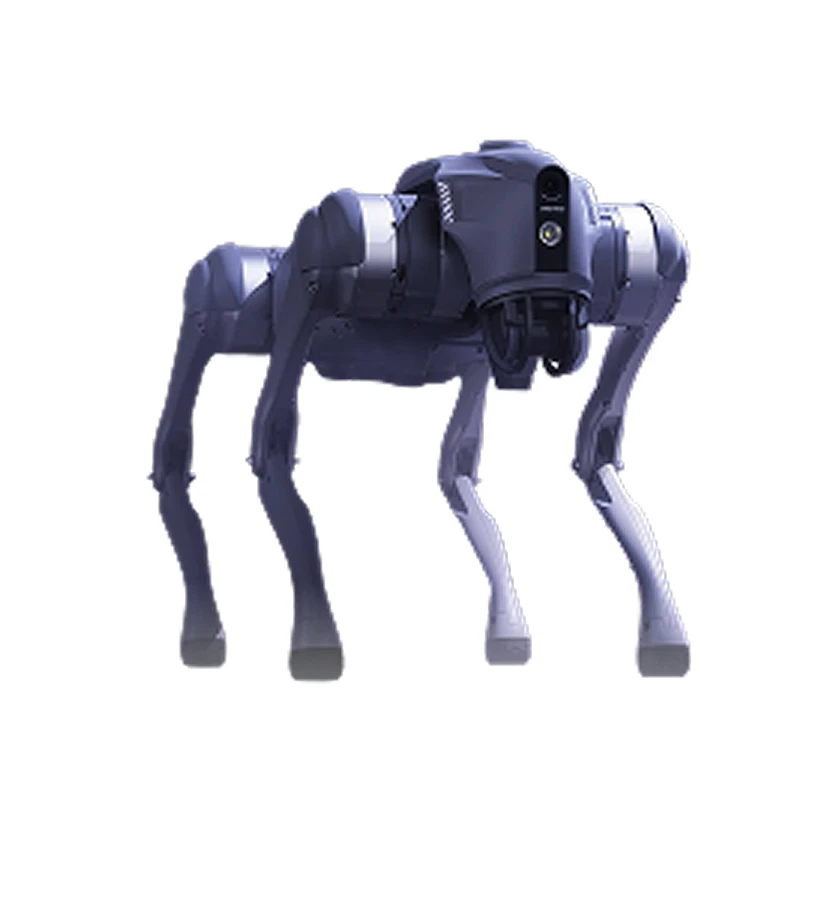
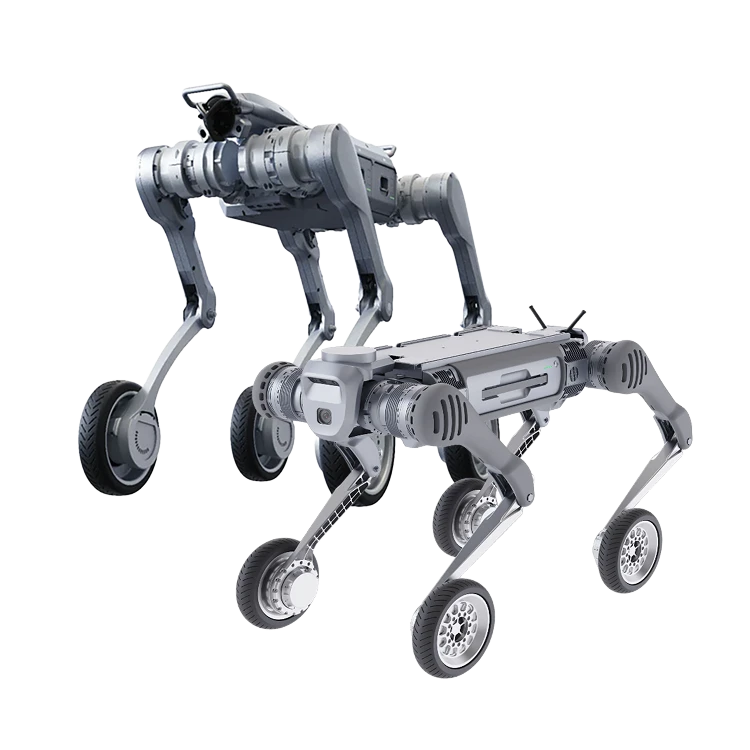
Unitree Go2 quadruped

Unitree Go2

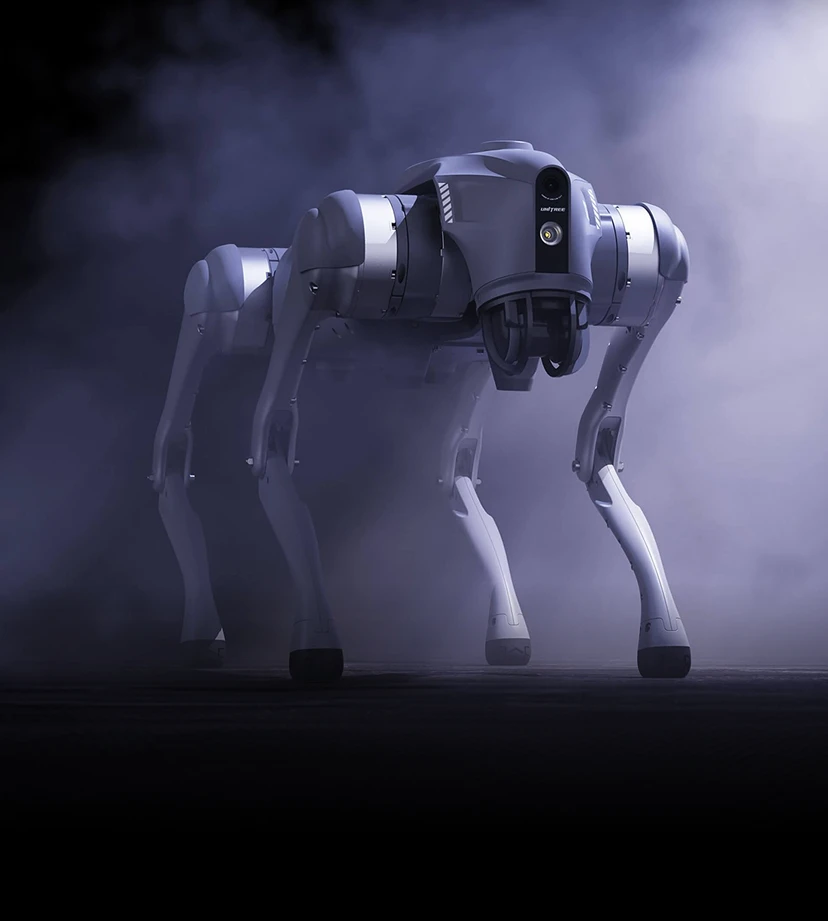
Unitree Go2 quadrupeds are designed for researchers, education and robotics enthusiasts. They offer affordability, simple functionality as well as advanced AI, real-time SLAM navigation, and an open SDK. They provide an ideal mix of ease of use along with advanced capabilities to excel in the classroom for learning and projects.

View Go2 Range
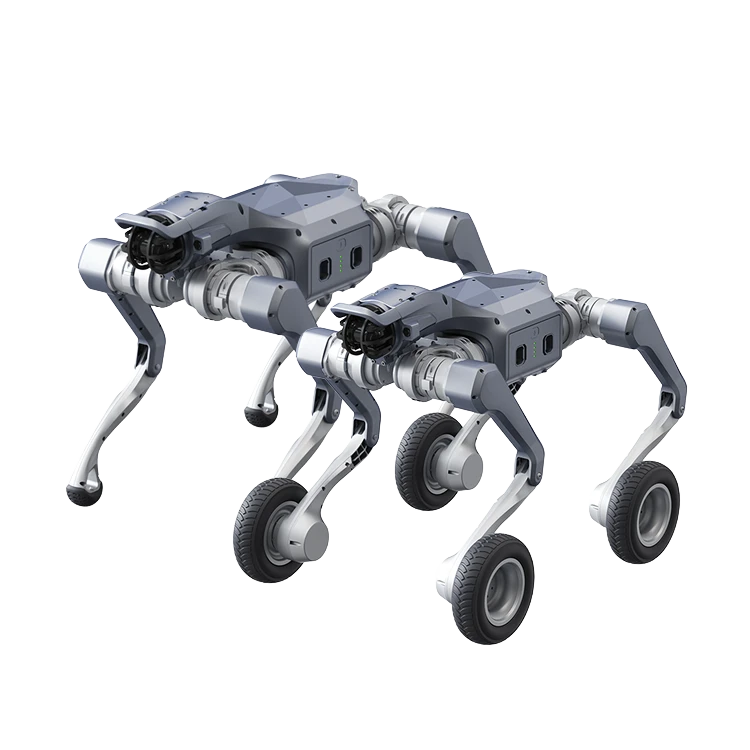
Unitree A2 and B2 humanoid robots

Unitree A2 and B2

Unitree A2 and B2 models offer more advanced systems, higher payload capacities, improved endurance and are a true step toward practical or industrial deployment. These units offer the kind of advanced platform required for real world solutions as well as options for developing with the latest NVIDIA AI stack to allow students to finish training with true practical skills.

View Quadruped Range
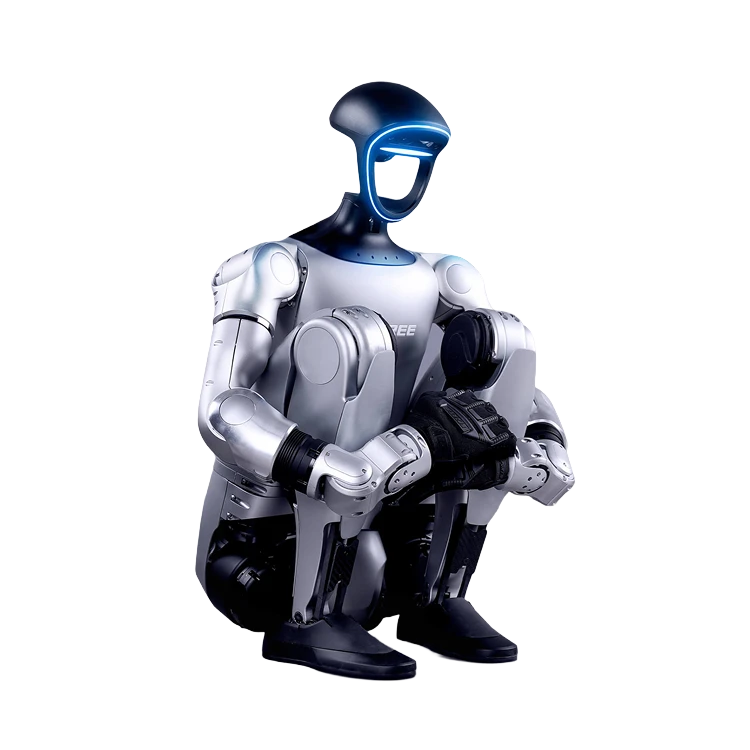
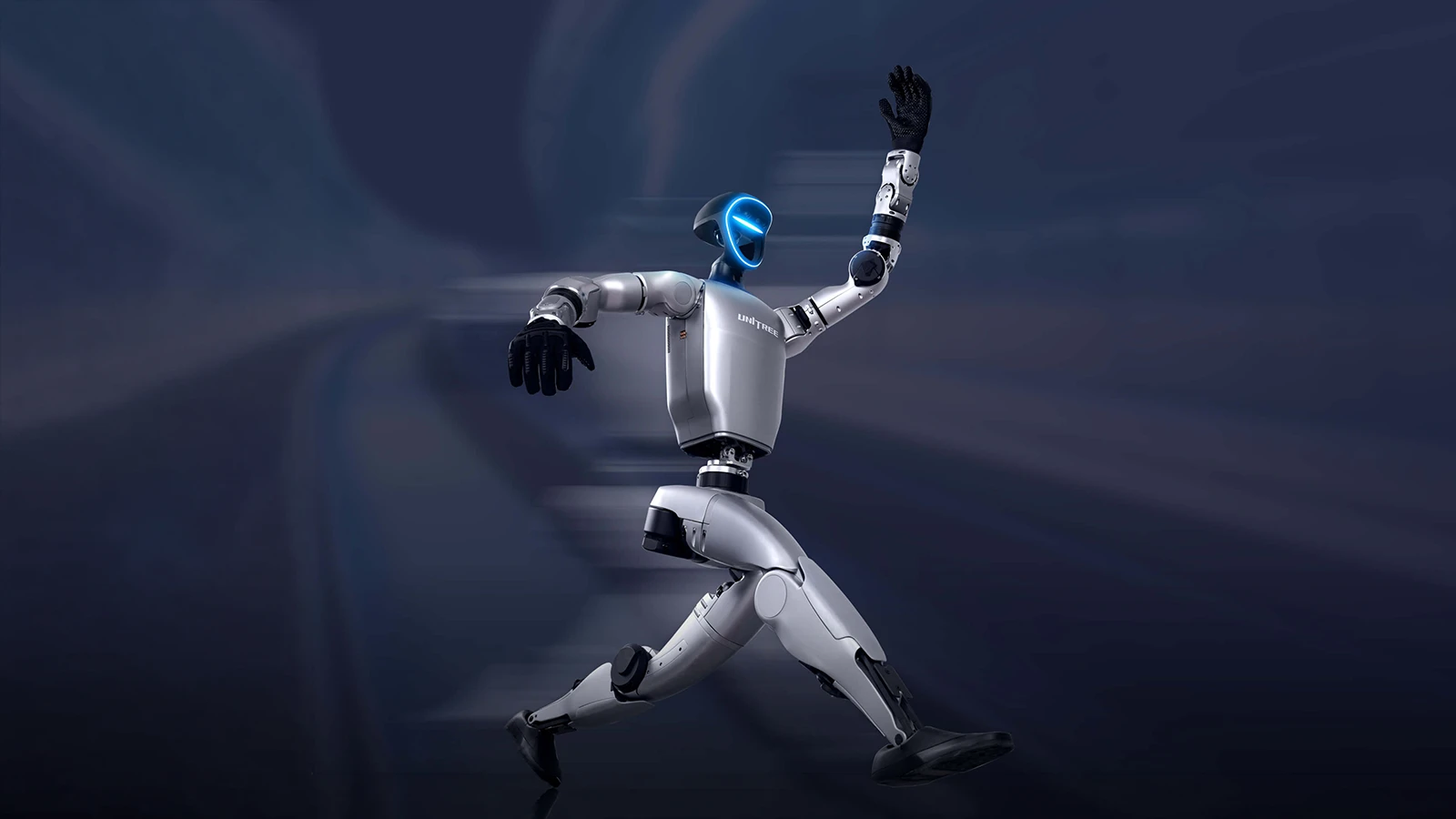
Unitree G1 humanoid robot

Unitree G1

The Unitree G1 is a high-performance humanoid robot designed for advanced research, AI development, and real-world applications. With precise limb control, dynamic balance, and an open SDK, the G1 offers a versatile platform for robotics education and projects.

View G1 Range
NVIDIA Elite Partner logo

Development and Inferencing from your Desk

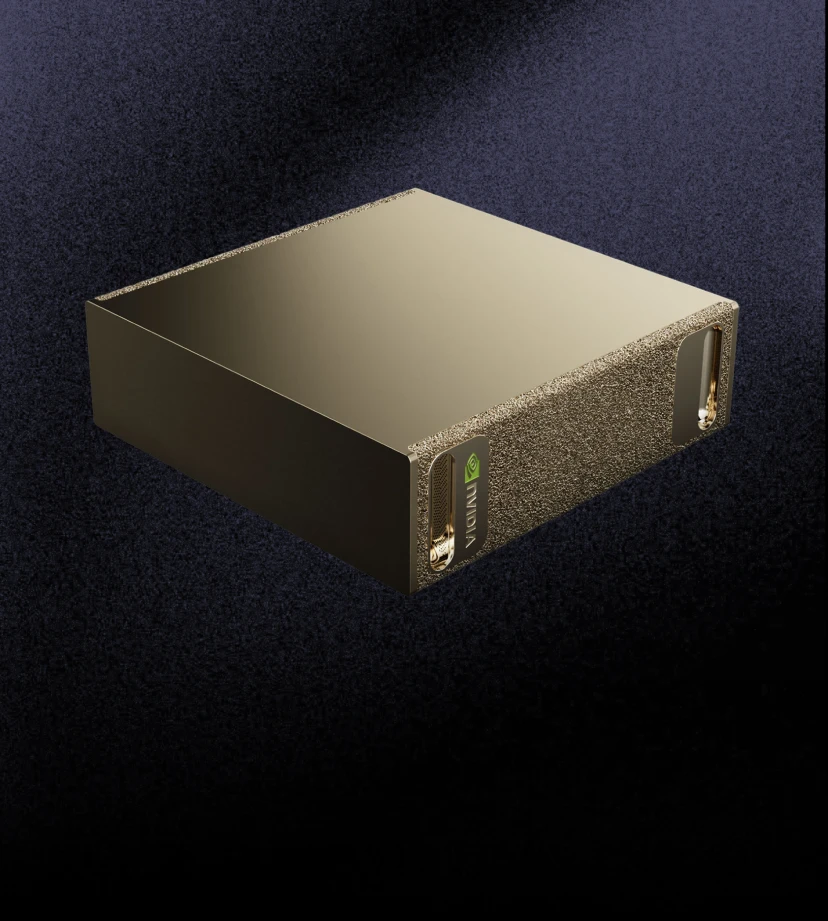
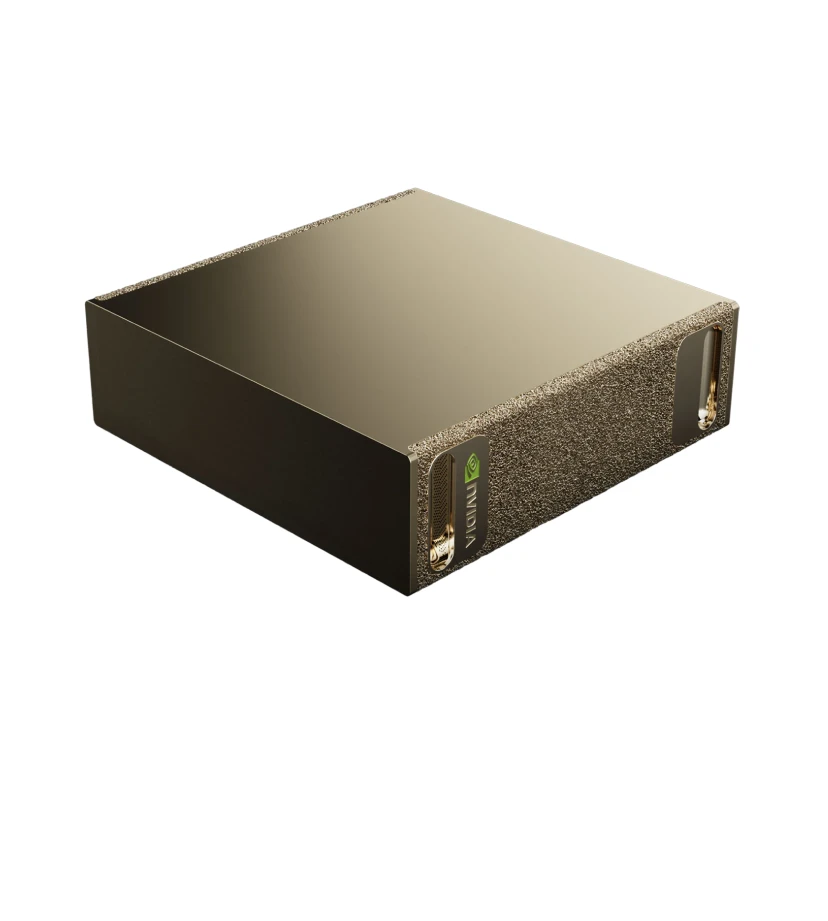
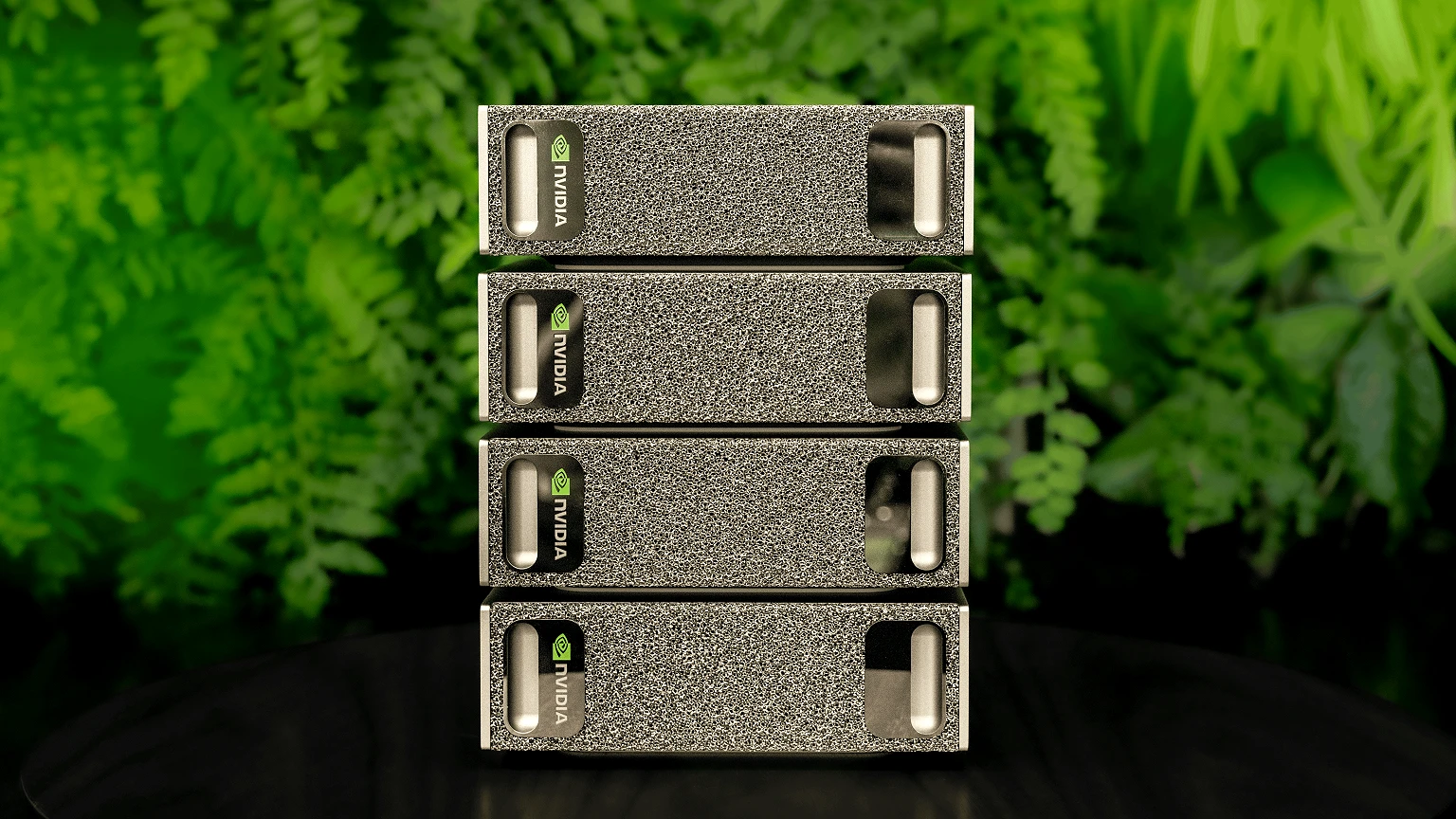
NVIDIA DGX Spark

NVIDIA DGX Spark

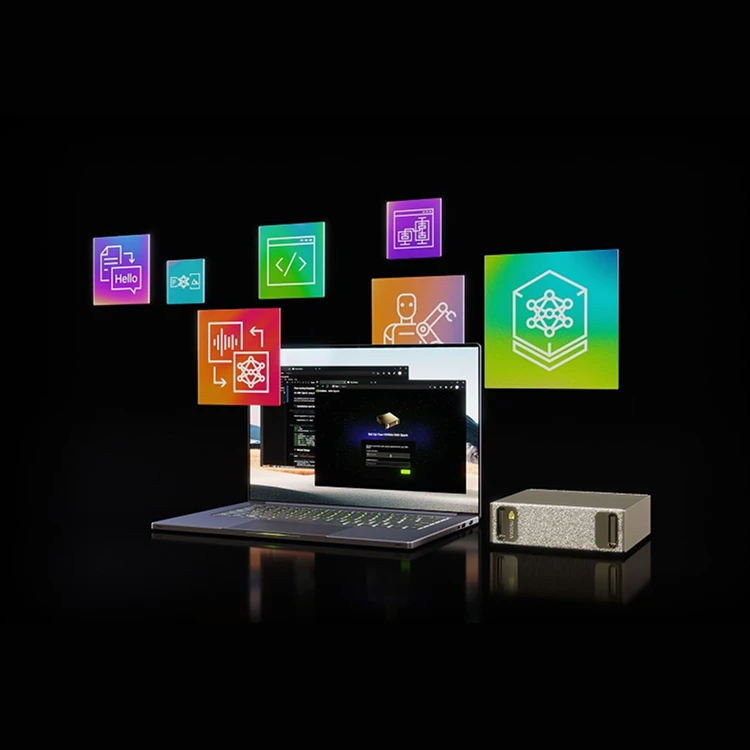
NVIDIA is the market leader in AI and now offers the DGX Spark. An all in one solution that sits within the DGX AI stack offering fantastic performance from a tiny chassis that can sit on every student’s desk within the classroom. Its offers 1000TOPS of performance, 20x that of a copilot+ laptop or PC, and a huge 128GB memory to allow even the largest of educational models to be developed, trained and inferenced. Scan offers models from NVIDIA, ASUS, MSI and Gigabyte.

View DGX Spark
NVIDIA DGX Spark Stack Cloud

Scan Cloud

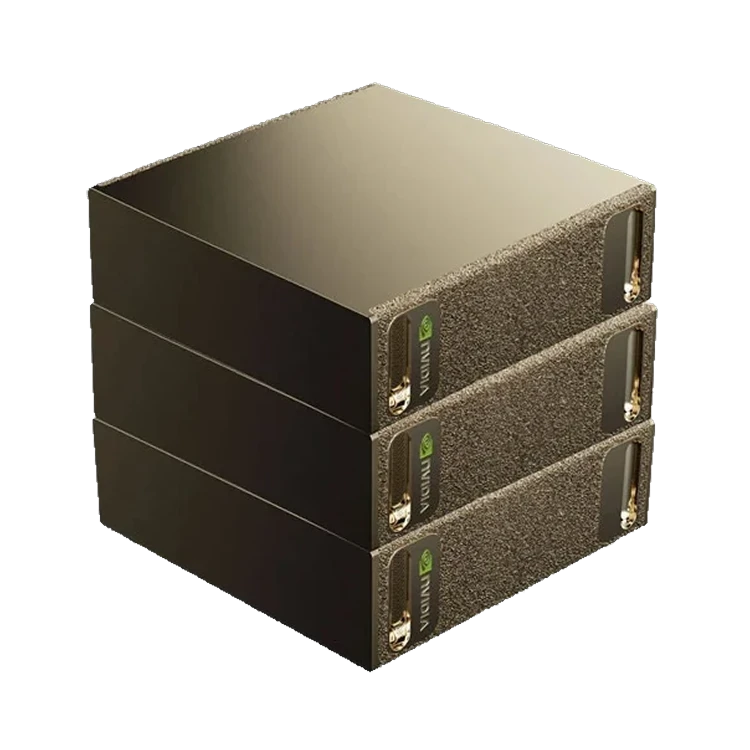
Scan Cloud offers NVIDIA DGX spark physically hosted directly within the UK. Get direct access to as many units as you require for low monthly payments, or Scale performance with dual, triple and quad configurations. Scan cloud is ideal for education offering the ability to scale up your capability as and when you need it without having the upfront costs of the hardware.

View Scan Cloud
NVIDIA GeForce RTX logo

On Premise or Hosted in Scan Cloud

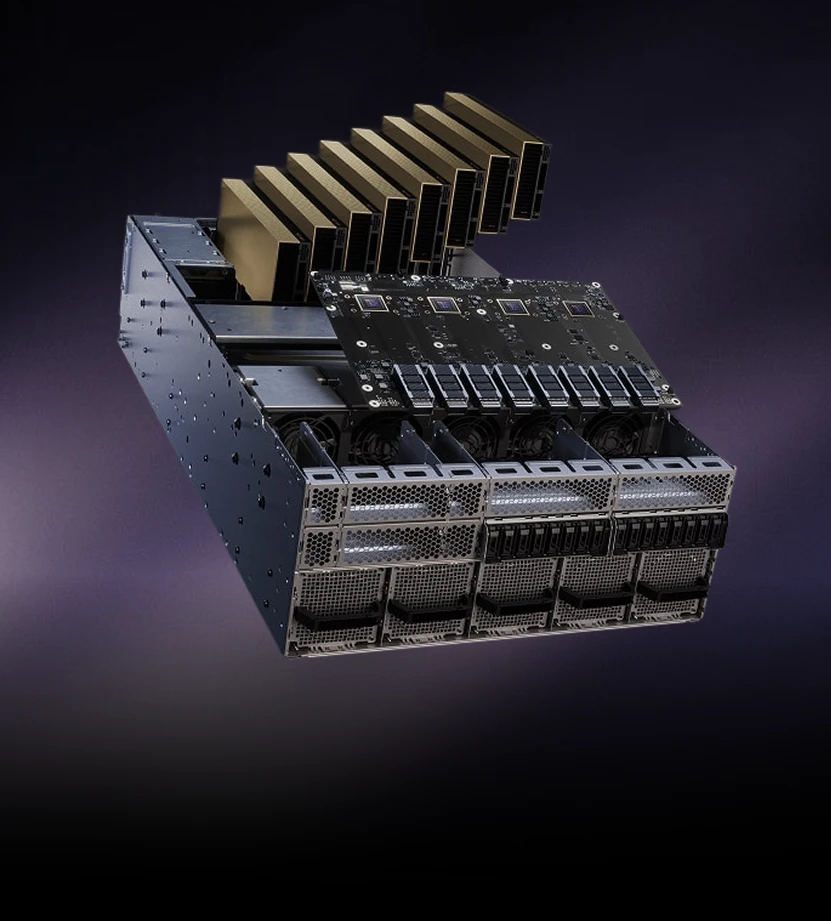
RTX PRO Servers & DGX Servers

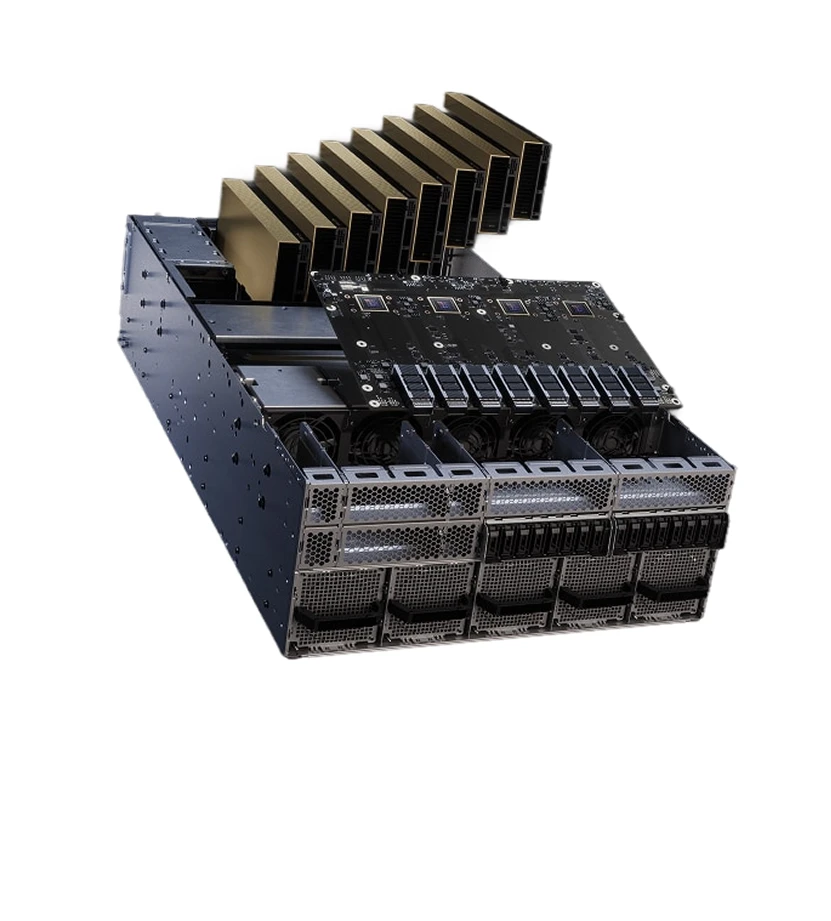
RTX PRO Servers & DGX Servers

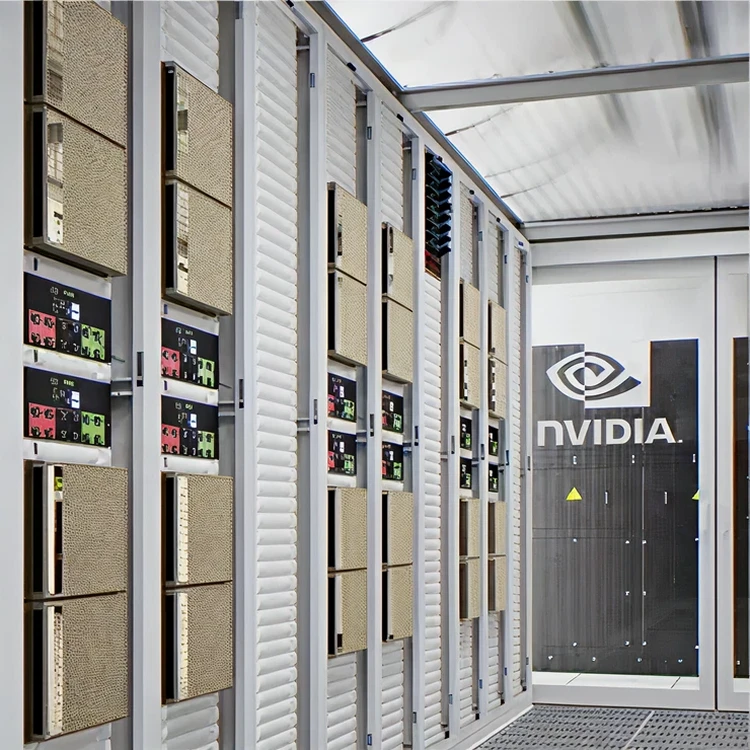
For AI Excellence Education institutes looking to do large scale model training RTX PRO Servers and DGX Servers offer the ultimate in performance and can either be purchased and installed for on premise use, or hosted within Scan Cloud within the UK. Scan is one of only a few NVIDIA ELITE Solution partners within the UK and already works with leading education institutes to deploy the latest in AI infrastructure.

Why Scan Computers?

Scan Computers is a leading UK provider of AI, high-performance computing, and robotics solutions, supporting education and research institutions in building future-ready infrastructure. We are one of only a few NVIDIA ELITE Solution partners within the UK.

We combine best-in-class technology with deep technical expertise to deliver solutions that go beyond hardware.

Working with Scan means:

Global technology infrastructure

Access to trusted global technology partners

Robotics technology in development

Tailored recommendations based on your curriculum

Specialist planning and deployment support

End-to-end support from planning to deployment

Technical guidance and infrastructure support

Ongoing guidance as your programme evolves

We are committed to helping institutions deliver meaningful, hands-on learning experiences that prepare students for the future of work.

King's College London King's College London Institute for Healthcare Engineering Oxford Robotics Institute NHS Guys and St Thomas' Foundation Trust ZSL Institute of Zoology University of Liverpool University of Strathclyde Glasgow Oxford Nanopore Technologies
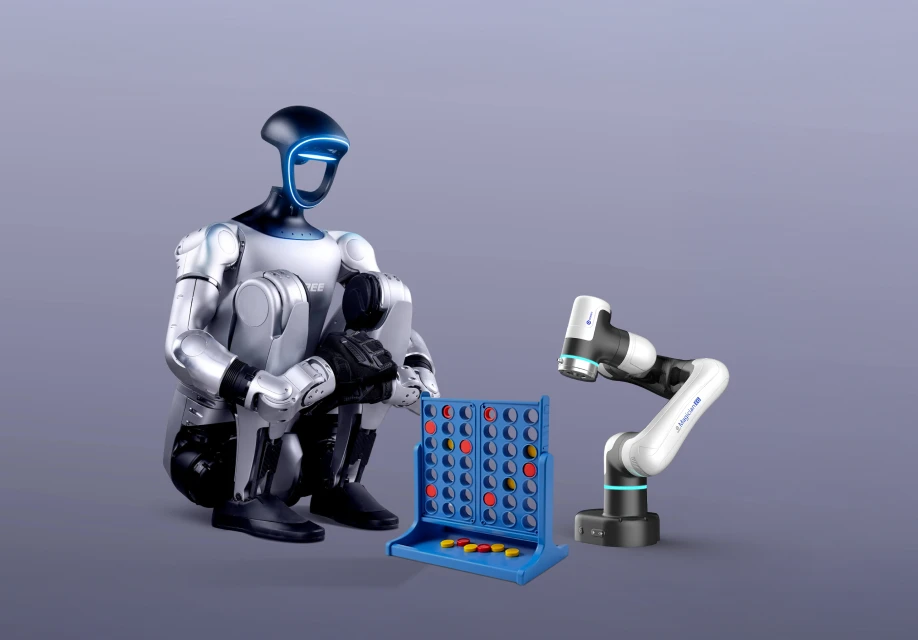
Humanoid robot and Dobot robotic arm demonstrating classroom robotics

Your Solution, Your Way

Introducing robotics doesn't require a complete curriculum overhaul. With the right approach, institutions can start with a small pilot and scale into a full, campus-wide capability over time. We work alongside you to design and deliver a solution that aligns with your curriculum, student numbers, and funding requirements, reducing complexity and accelerating adoption.

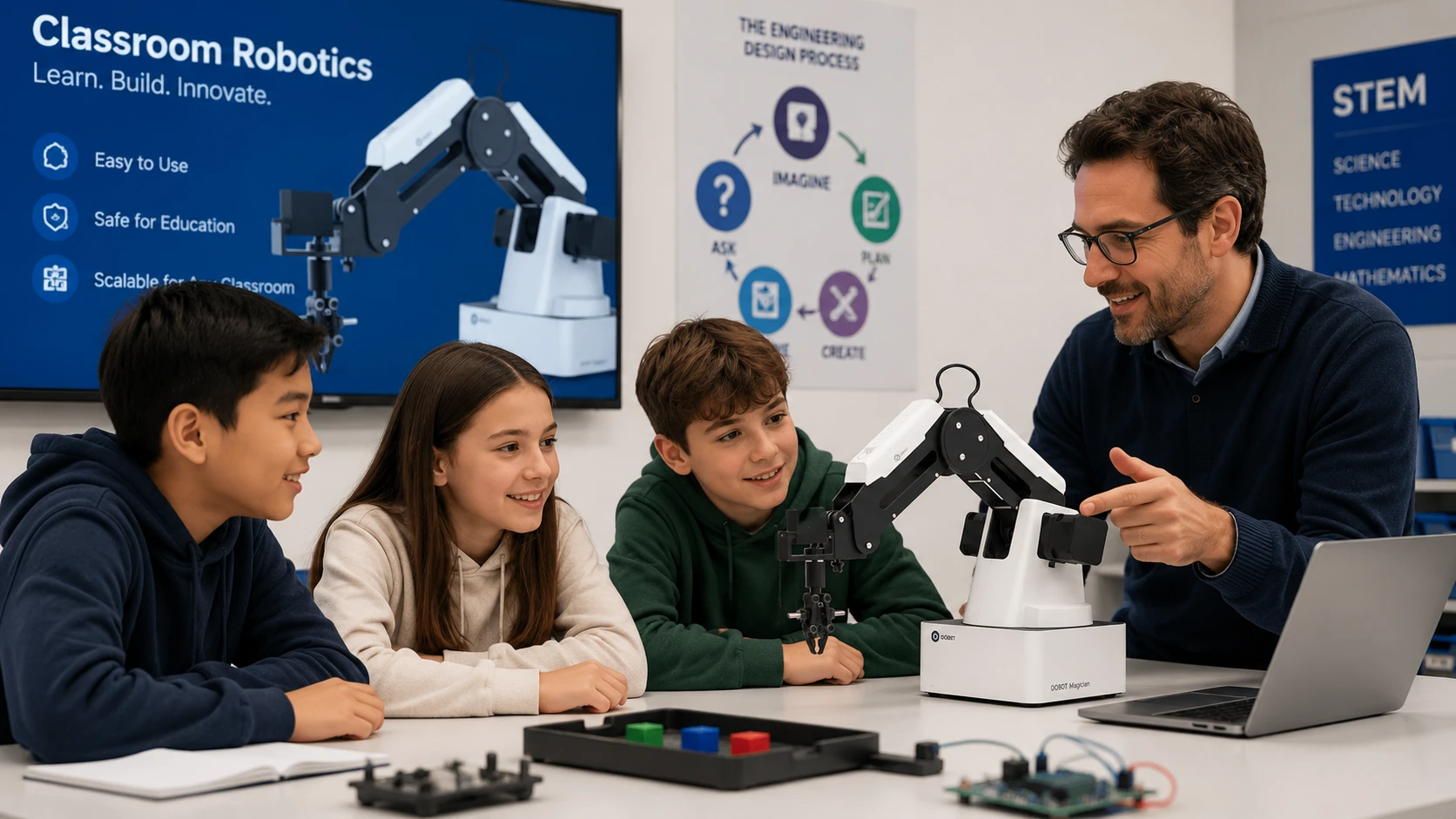
Classroom robotics learning environment

Entry Level: Classroom Robotics

Dobot robotic arms provide an accessible, safe, and scalable way to introduce students to robotics, making them ideal for initial deployment and funding-backed pilot programmes.

  • One robot per desk model, or shared setups to suit budget
  • Learn programming fundamentals
  • Understand automation workflows
  • Safe for classroom environments

Students gain immediate, hands-on experience controlling real hardware rather than simulations, helping improve engagement and build practical skills from day one.
Classroom robotics learning environment

Intermediate Level: AI Integration

Once foundational skills are established, students can begin integrating AI into robotics systems, bridging the gap between software development and physical applications.

With platforms like NVIDIA DGX Spark, students can:

  • Develop and train AI models locally
  • Implement computer vision systems
  • Control robotic systems using real-time AI inference

This stage supports key digital and AI skills initiatives, enabling institutions to deliver more advanced, industry-aligned learning outcomes.

Classroom robotics learning environment

Advanced Level: Autonomous Systems

At the highest level, students can work with advanced robotic platforms such as quadrupeds and humanoid systems, supporting both teaching and research applications.

These enable:

  • Research-level experimentation
  • Autonomous navigation and decision-making
  • Advanced AI and robotics integration projects

This prepares students for cutting-edge roles in robotics, AI, and automation, while supporting innovation and collaboration with industry partners.

Classroom robotics learning environment

Real-World Applications

Robotics can be integrated across multiple disciplines, supporting both teaching and research:

  • Engineering and Mechatronics
  • Computer Science and AI
  • Manufacturing and Automation
  • Research and Innovation Labs

Students graduate with practical, job-ready skills that align with industry demand, strengthening employability outcomes and supporting institutional funding and strategic objectives.

How much does it cost to transform a classroom with cutting edge robotics?

Bringing robotics into education is more achievable than many institutions expect, and we're here to support you at every stage. Whether you're starting with a small pilot setup or planning a full campus-wide deployment, our approach is designed to scale with your ambitions.

We help remove common barriers by delivering flexible solutions that can grow alongside your curriculum, student numbers, and budget. From initial proof-of-concept labs through to multi-department rollouts, we ensure you have the right technology and support in place at each step.

Level Dobot Arms Magician Series Unitree Robots Go2 - G1 DGX Spark Example estimated cost from*
Pilot 4-6 1 2-4 £15,000
Teaching Lab 8-12 1-2 6-12 £36,000
Advanced Lab 15-25 2-4 10-25 £58,000
Large Deployment 30-60+ 4-10 20-50+ £120,000

Frequently Asked Questions

Educational robotics is the use of robots, programmable devices and automation systems to teach students subjects such as science, technology, engineering, mathematics (STEM), coding, problem-solving and computational thinking. Educational robotics helps learners gain practical experience by building, programming and interacting with robotic systems in real-world scenarios.

Robotics is important in education because it develops critical skills needed for future careers, including coding, engineering, creativity, teamwork, communication and problem-solving. By working with robots, students can apply classroom theory to practical projects, improving engagement and understanding of STEM concepts.

Students can start learning robotics from as young as 4 or 5 years old using age-appropriate robotics kits and coding platforms. Early years robotics focuses on simple programming concepts and logical thinking, while older students can progress to advanced robotics, artificial intelligence, automation and engineering projects.

Robotics supports STEM education by combining science, technology, engineering and mathematics into hands-on learning activities. Students use maths for calculations, science for understanding sensors and movement, engineering for design and construction, and technology for programming and automation.

Students develop a wide range of transferable skills through robotics education, including:

  • Coding and programming
  • Critical thinking
  • Problem-solving
  • Creativity and innovation
  • Engineering design
  • Teamwork and collaboration
  • Communication skills
  • Digital literacy
  • Computational thinking
  • Resilience and adaptability

These skills are highly valued by employers across many industries.

No, students do not need previous coding experience to begin learning robotics. Many educational robotics platforms use visual block-based programming that introduces coding concepts in a simple and engaging way. As learners progress, they can move on to text-based languages such as Python, JavaScript and C++.

The benefits of robotics in the classroom include increased student engagement, improved STEM achievement, enhanced problem-solving abilities and greater confidence in technology subjects. Robotics also encourages active learning by allowing students to experiment, test ideas and learn through practical challenges.

Robotics helps prepare students for careers in engineering, software development, artificial intelligence, manufacturing, automation, data science, healthcare technology and many other sectors. As automation and AI continue to transform industries, robotics education provides foundational skills that support future employability and innovation.

Coding is the process of writing instructions for a computer or device to follow, while robotics combines coding with physical hardware such as motors, sensors, controllers and mechanical components. Robotics allows students to see the direct impact of their code through real-world movement and interaction.

Schools can introduce robotics through STEM programmes, computing lessons, after-school clubs, enrichment activities, coding workshops and cross-curricular projects. Educational robotics solutions are available for primary schools, secondary schools, colleges and universities, making it possible to integrate robotics into learning at every educational stage.

No, robotics and artificial intelligence are designed to support teachers rather than replace them. Educational robots and AI-powered tools can help personalise learning, automate repetitive tasks and provide additional student support, while teachers continue to play the essential role of guiding, mentoring and inspiring learners.