What Type of post-production workflow device is Right for You?

The first step is knowing which device fits your style:

Professional video recorders are essential for capturing and archiving high-quality footage in broadcast, live event, and studio workflows. The right recorder streamlines editing, backup, and distribution, and ensures robust, reliable operation under demanding conditions. Here's what to look for when choosing disk recorders, recording media, video I/O, and remote-control options.
Disk Recorders

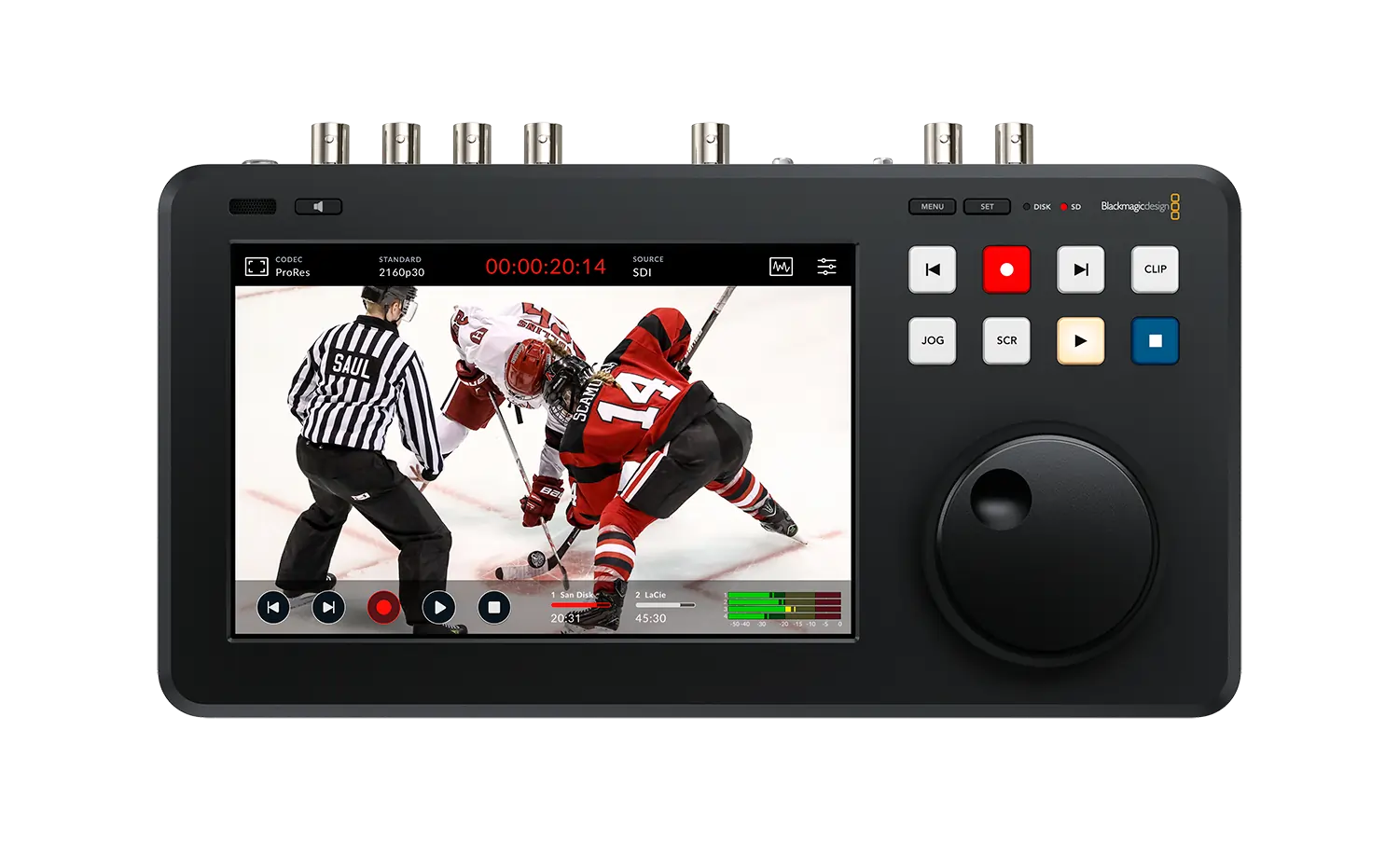
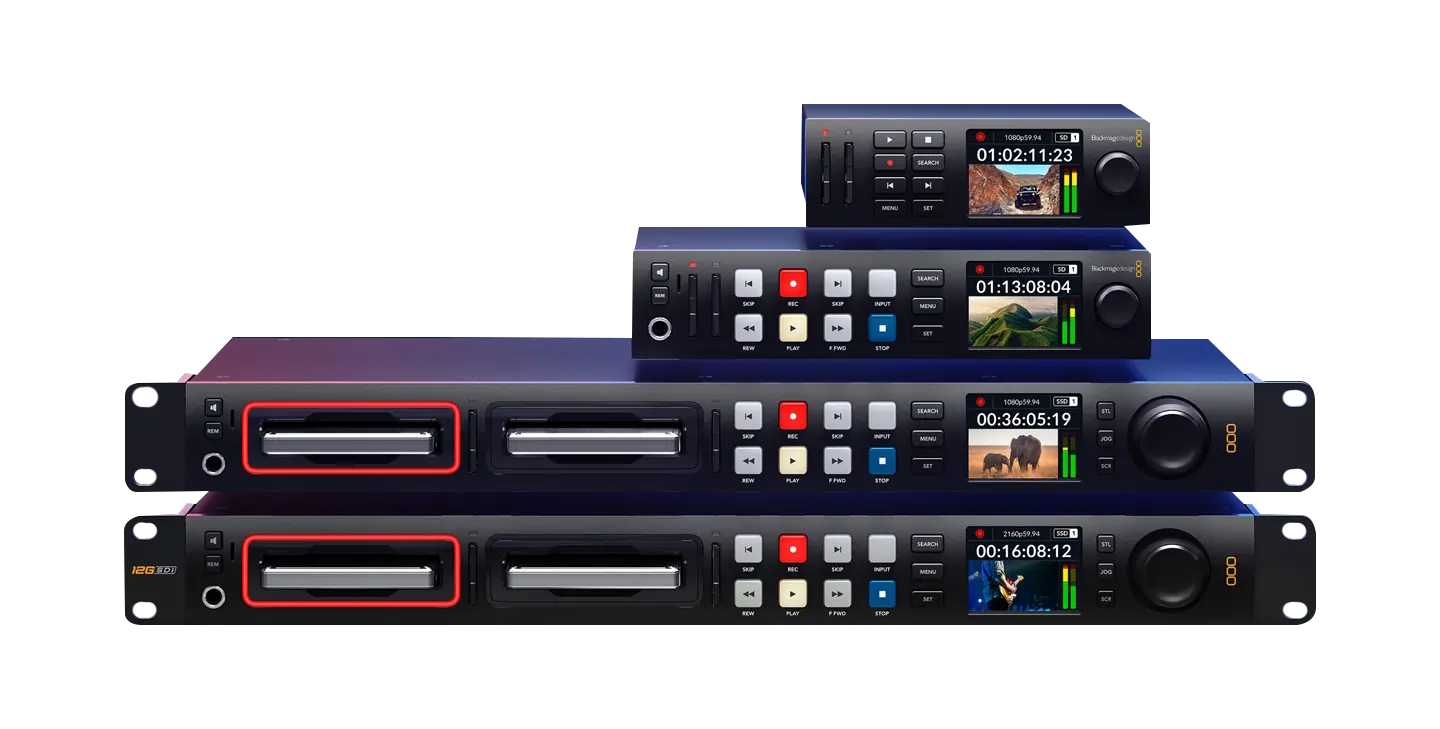
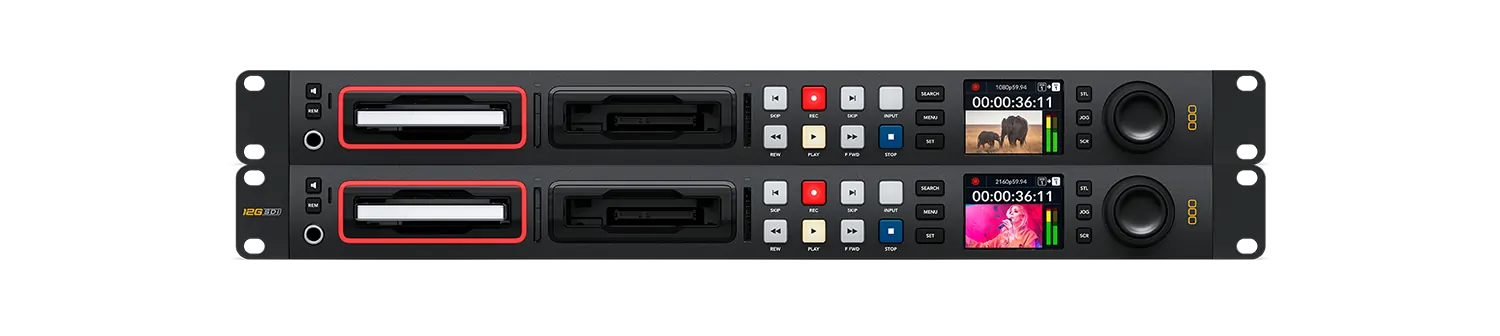
Disk recorders are standalone units that capture video to hard drives, SSDs, or removable media. They offer:

  • High-Bitrate Recording: Capture uncompressed or lightly compressed video (e.g., ProRes, DNxHD, H.264/H.265) for post-production flexibility and broadcast standards.
  • Redundancy: Dual or multi-slot designs allow for continuous recording—automatically swapping to the next disk or card when storage fills up.
  • Integrated Playback and Playout: Many disk recorders double as playback decks, supporting instant review and channel playout in live environments.

Popular models include Blackmagic HyperDeck Studio, AJA Ki Pro, and Datavideo HDR, each supporting a range of resolutions, codecs, and media types.

Shop now
Disk Recorders Image

Recording Media

Selecting the right recording media is crucial for reliability and workflow speed:

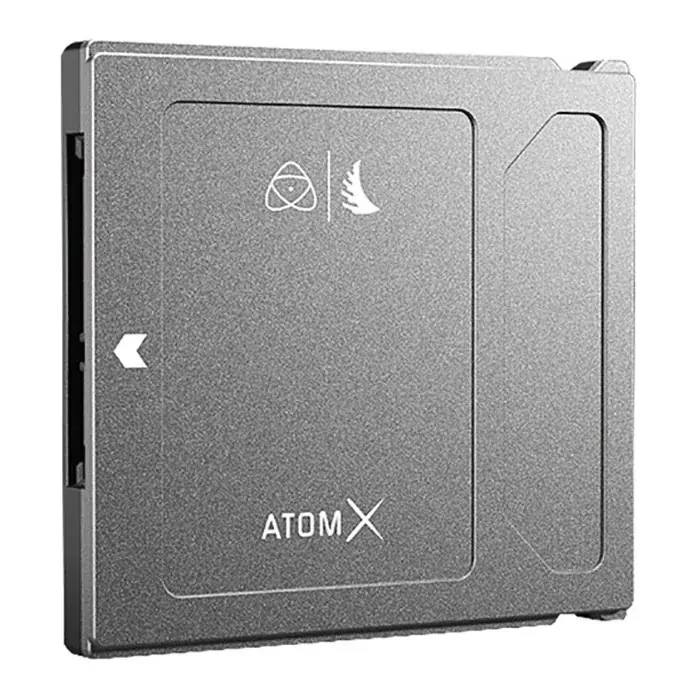
  • SSD and HDD: SSDs offer fast read/write speeds, durability, and silent operation; HDDs provide large capacities for archiving at lower cost.
  • SD, CFast, and CFexpress: Removable cards simplify offloading, transport, and editing. Ensure your recorder supports the latest UHS-II, V90, or NVMe standards for demanding workloads.
  • Media Management: Look for recorders with built-in formatting, card health monitoring, and smart file organisation. Dual slots or hot-swap capacity support uninterrupted recording during long sessions.
Shop now
Recording Media Image

Video I/O

Comprehensive connectivity ensures seamless integration with various sources and destinations:

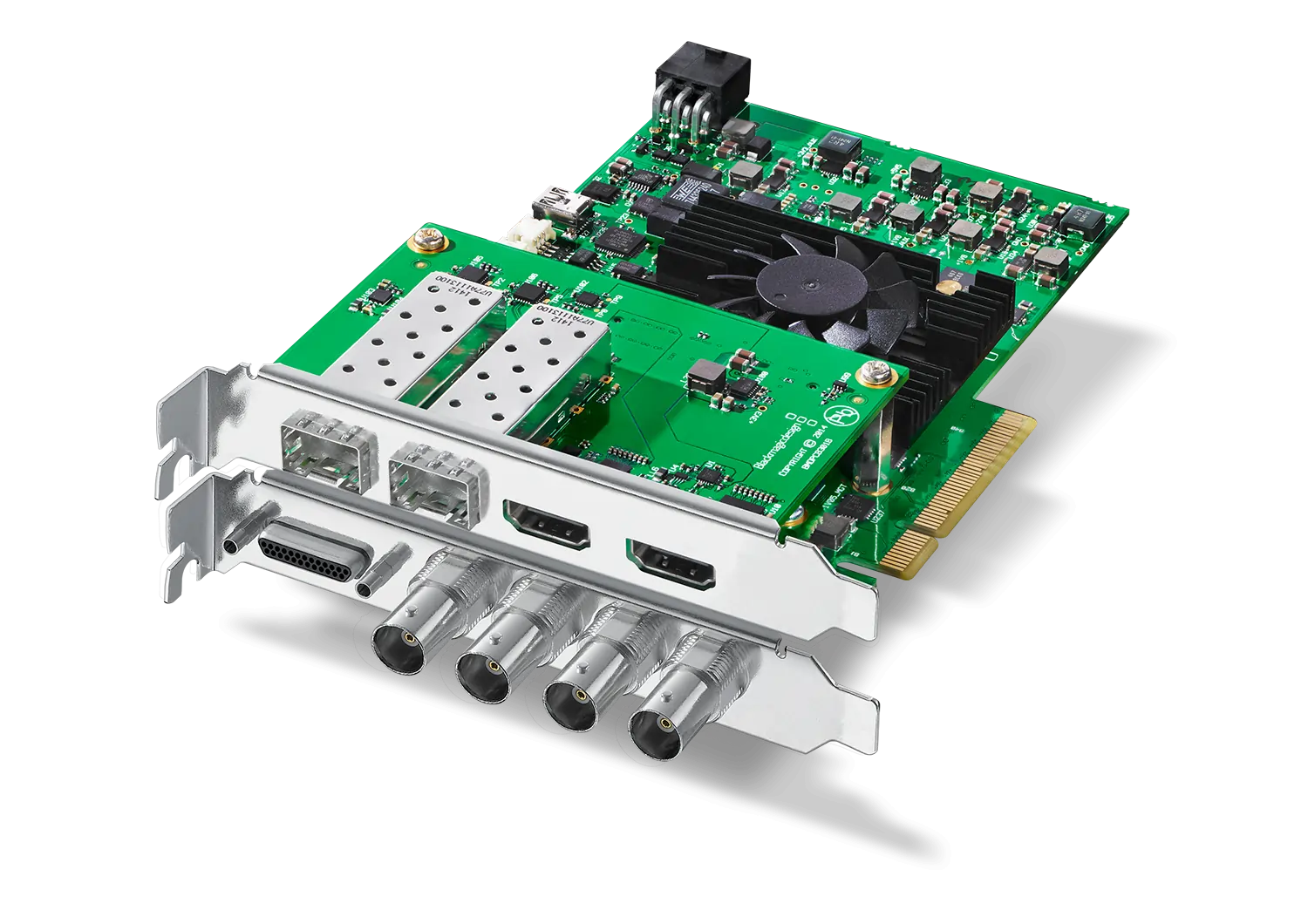
  • Inputs: SDI (3G, 6G, 12G), HDMI, Analogue, and IP/NDI inputs support capture from cameras, switchers, and legacy gear.
  • Outputs: SDI/HDMI outputs for monitoring, playout, or live streaming; support for loop-through enables flexible routing.
  • Timecode and Genlock: Gestures and zoom/pan control can speed workflow.
  • Shortcut Buttons: Sync multiple recorders or cameras for multi-source matching and post-production automation.
Shop now
Video I/O Image

Remote Control and Workflow Integration

Modern recorders often include advanced control features for enhanced workflow and convenience:

  • Ethernet or Serial Control: Connect recorders to control surfaces, automation systems, or studio networks for start/stop, playout, and status monitoring.
  • Web Interfaces and Apps: Remote control via browser or mobile device enables flexible operation, especially in distributed or multi-site productions.
  • Trigger Recording: Integration with video switchers or external sensor triggers ensures precise capture timing.
Shop now
Remote Control and Workflow Image

Summary Overview

Professional video recorders, featuring robust disk recorders, reliable recording media, versatile video I/O, and remote-control capabilities - are the backbone of any high-end production or broadcast facility. Choosing the right combination guarantees consistent quality, efficient workflows, and adaptability for any shoot or live event scenario.

Ready to Buy?

Browse our selection of Professional Video Recorders to find the perfect fit for your setup.

Video Recorders ready to purchase

Frequently Asked Questions FAQ

Here are some common questions and answers to help you find the information you need.

Professional video recorders capture, store, and sometimes play back high-quality footage from cameras or switchers. They’re essential in broadcast, studio, and live event setups for archiving, editing, and distributing content.

External disk recorders often provide higher-quality recording formats (e.g., ProRes, DNxHD), longer recording capacity, and more reliable media management. They also make it easier to connect multiple cameras or integrate with switchers during live production.

It depends on your workflow:

  • ProRes: Ideal for Apple-based post-production (Final Cut, Premiere).
  • DNxHD/DNxHR Optimised for Avid workflows.
  • H.264/H.265 (HEVC): Smaller files, great for web and live streaming.
  • Most professional recorders support multiple formats for flexibility.

SSDs are preferred for speed and reliability. HDDs offer more capacity at a lower cost for archiving, while CFast, CFexpress, and SD cards are ideal for portability and fast offloading. Always check your recorder’s supported formats and speed ratings.

Storage needs vary by codec and bitrate. For example, uncompressed 4K footage can consume over 300GB per hour, while compressed formats like ProRes 422 or H.265 may use 50–100GB per hour. Always keep spare media for redundancy.

  • SDI (Serial Digital Interface) is the professional standard — supports longer cable runs, locking connectors, and multi-channel audio.
  • HDMI is more common in consumer gear — shorter runs, no lock.
  • Choose a recorder that supports your camera’s output type (ideally 3G, 6G, or 12G SDI for pro work).

Prioritize:

  • Dual media slots for uninterrupted recording
  • Low-latency monitoring outputs
  • Built-in codecs for fast turnaround
  • Timecode and genlock for syncing multiple sources
  • Network connectivity for remote control or streaming integration

Start by identifying:

  • Your recording resolution (HD, 4K, 8K)
  • Your preferred codec (ProRes, DNxHD, H.265)
  • The number of sources (single camera vs multi-cam)
  • Your connectivity needs (SDI, HDMI, IP)
  • Then match models based on required reliability, portability, and budget.