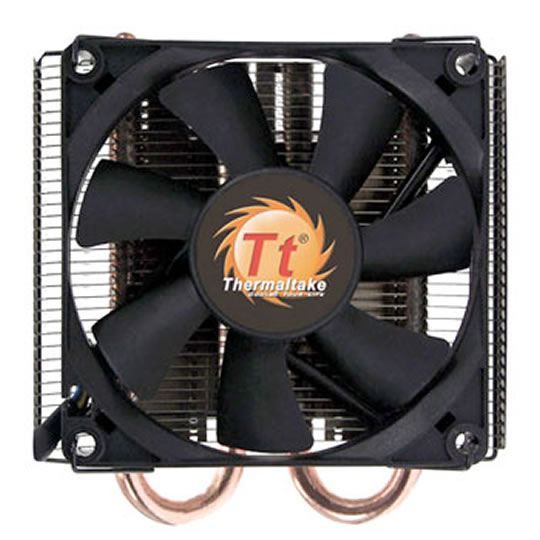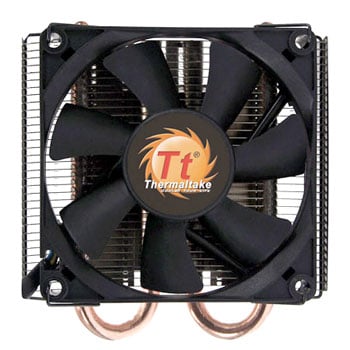
Thermaltake Low profile HTPC CPU Cooler CL-P0534 for 775, 1155 and 1156
End Of Life
Thermaltake Low profile HTPC CPU Cooler CL-P0534 for 775, 1155 and 1156
Scan code: LN40272 Manufacturer code: 4713157528452
End Of Life

Thermaltake Low profile HTPC CPU Cooler CL-P0534 for 775, 1155 and 1156 : image 1
Thermaltake Low profile HTPC CPU Cooler CL-P0534 for 775, 1155 and 1156 : image 2
Thermaltake Low profile HTPC CPU Cooler CL-P0534 for 775, 1155 and 1156 : image 3
Thermaltake Low profile HTPC CPU Cooler CL-P0534 for 775, 1155 and 1156 : image 4
  • Thumbnail 1 : Thermaltake Low profile HTPC CPU Cooler CL-P0534 for 775, 1155 and 1156
  • Thumbnail 2 : Thermaltake Low profile HTPC CPU Cooler CL-P0534 for 775, 1155 and 1156
  • Thumbnail 3 : Thermaltake Low profile HTPC CPU Cooler CL-P0534 for 775, 1155 and 1156
  • Thumbnail 4 : Thermaltake Low profile HTPC CPU Cooler CL-P0534 for 775, 1155 and 1156
End Of Life

Thermaltake Low profile HTPC CPU Cooler CL-P0534 for 775, 1155 and 1156

Thermaltake Slim X3 CL-P0534 36 mm Slim HTPC Cooler for Intel 1155/56 and 775

Scan code: LN40272 Manufacturer code: 4713157528452
End of life
This product is no longer available to purchase.

Email me when the availability or price changes

  • 48HR REPLACEMENT If you need to return this item, your replacement will be dispatched within 2 working days of your product arriving back at Scan.
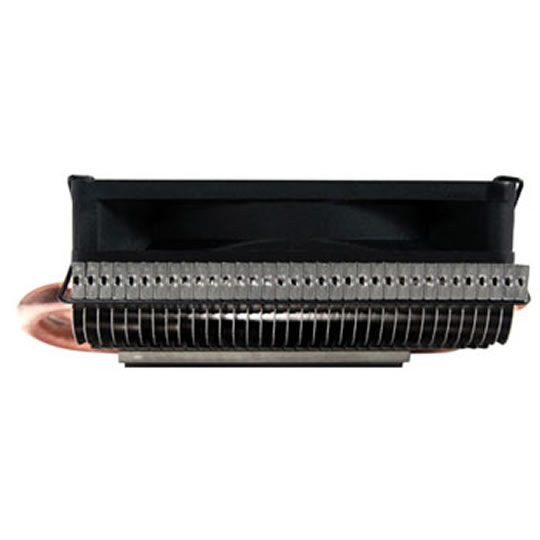
Product Overview • Ultra low height designed for slim type case
• 80mm PWM fans with low noise
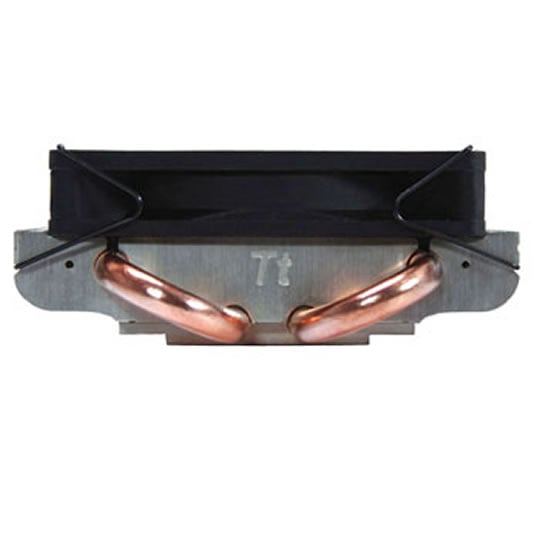
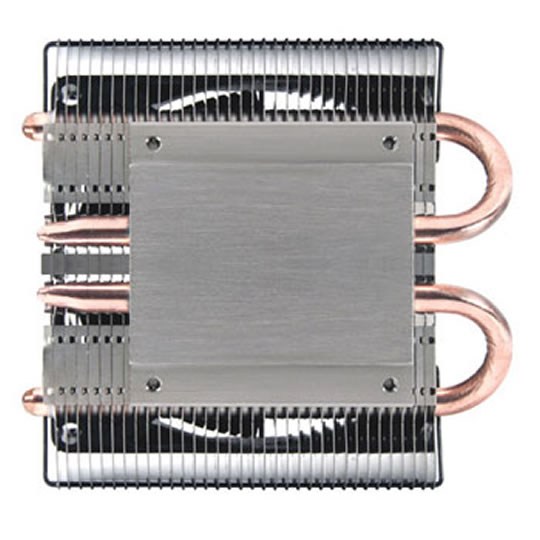
• Dual Heatpipes Design
• Easy installation Features • Ultra low height designed for slim type case
• 80mm PWM fans with low noise
• Dual Heatpipes Design
• Easy installation
Warranty

Please note your statutory rights are not affected.

For further information regarding Scan's warranty procedure please see our terms and conditions

Details
Duration:
24 months
Type:
Return to base
DOA Period:
7 days
RTB Period:
24 months
Manufacturer Contact Details
Manufacturer:
Scan
Buying Guide
Need help? Read our Air Cooling Buying Guide
Intel Branding Part I
Date Issued: 1st Jul 2009

Intel’s been on a mission of late. That mission revolves around grouping and standardising key technologies under various banners that are designed to ensure hardware compatibility and consumer ease of use. We’ll take a closer look at three such technologies that fall under the headings of Centrino, Viiv, and vPro, respectively.

Read More

Intel Core 2 Duo (Conroe)
Date Issued: 20th Oct 2008

The purpose of this TekSpek is to delineate the publicly known features of Intel’s next generation desktop microarchitecture. Codenamed Conroe and officially titled Intel Core 2 Duo, it’s loosely based on the current mobile Yonah (Core Duo) underpinnings.

Read More

Chassis Airflow
Chassis Airflow
Date Issued: 20th Oct 2008

The modern PC is potentially a mass of heat output and heat production hot spots. With CPUs rated at more than 100W of heat output, single graphics boards carrying similar ratings (and people want to run two!), multiple hard drives the norm, lots of memory and mainboards covered in heatpipes to combat toasty core logic and PWM circuits, a PC appreciably warming up a room when it’s working hard is no joke.

Read More

Overclocking
Overclocking
Date Issued: 20th Oct 2008

This TekSpek explains why you’d want to overclock your graphics board, the risks in doing so and how you can go about doing it.

Read More

Core 2
Core 2
Date Issued: 14th Jun 2008

There’s been a lot of hype about Intel’s Core 2 recently, even since they launched Core in fact. Words like Conroe, Badaxe and Allendale have been flying around. The bottom line is that Core 2 is the name of Intel’s latest line of CPUs, based on a new micro-architecture, designed for speed and efficiency.

Read More

System Noise Reduction
Date Issued: 5th Mar 2007

Anybody who has been near their share of computer systems will appreciate that not all systems make the same amount of noise. There are a number of reasons for why this is so. Firstly, a computer makes noise for different reasons. Generally, anything mechanical is going to make noise.

Read More